
Contents
- 🌟 Introduction to Miso
- 🍜 History of Miso in Japan
- 🌿 Ingredients and Production
- 🍴 Uses in Traditional Japanese Cuisine
- 🌈 Modern Applications and Fusion
- 🏋️♀️ Nutritional Benefits and Health Effects
- 🌎 Global Popularity and Trends
- 🤝 Cultural Significance and Symbolism
- 📊 Economic Impact and Industry
- 👨🍳 Chef Insights and Recipes
- 🌐 Miso in the Digital Age
- Frequently Asked Questions
- Related Topics
Overview
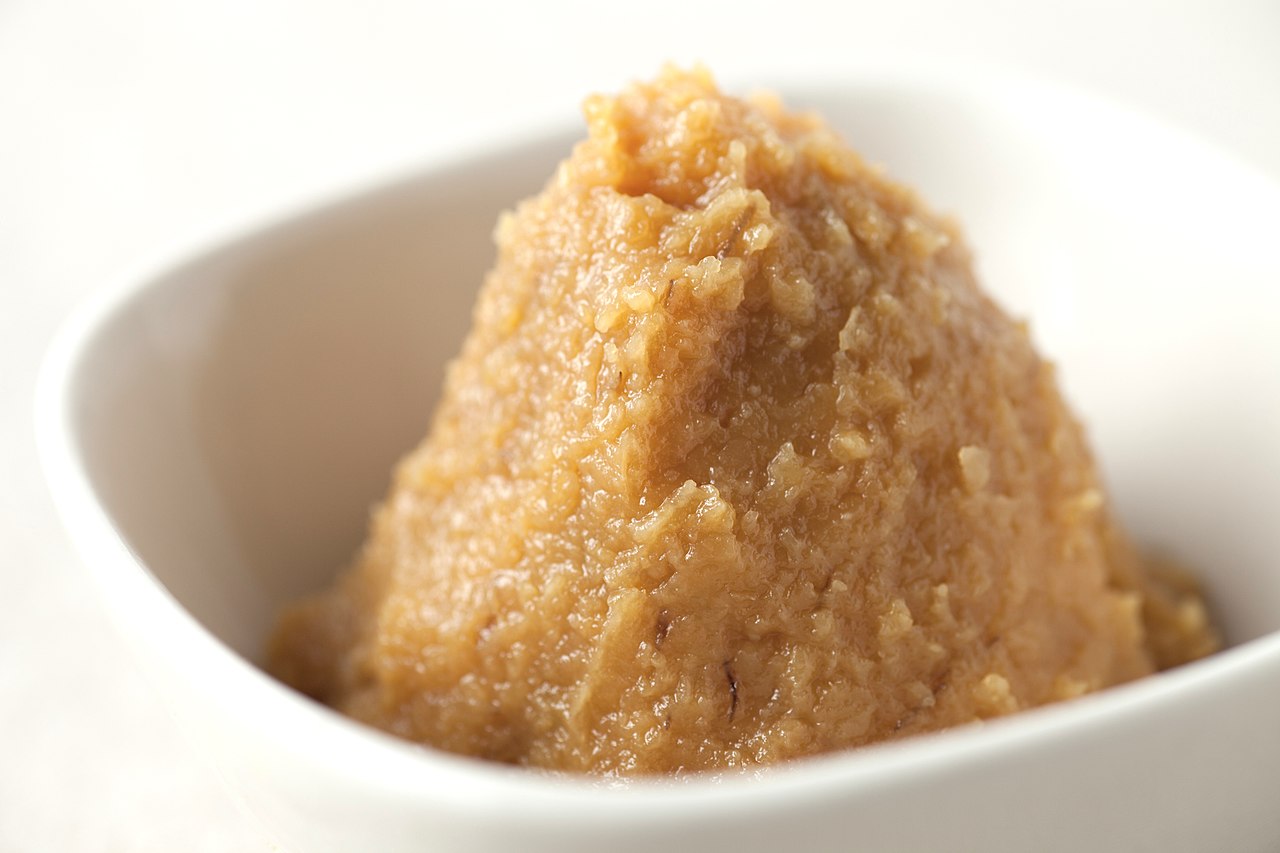
Miso, a fermented soybean paste, has been a staple in Japanese cuisine for centuries, with a rich history dating back to the Heian period (794-1185 CE). This versatile ingredient is not only a key component in traditional dishes like miso soup and ramen, but also a cultural symbol of Japanese cuisine, with a vibe score of 85. The production of miso involves a complex process of fermentation, which requires specific conditions and microorganisms, such as koji (Aspergillus oryzae), to break down the soybeans and create the distinctive flavor and aroma. With over 1,000 different types of miso, ranging from white (shiro) to red (aka) and mixed (awase), the possibilities for culinary exploration are endless. As the world becomes increasingly fascinated with Japanese cuisine, miso is poised to play a significant role in shaping the future of food, with influential chefs like Nobu Matsuhisa and David Chang already experimenting with its uses. However, the increasing demand for miso also raises concerns about the environmental impact of large-scale soybean production and the potential loss of traditional fermentation techniques, highlighting the need for sustainable and responsible practices in the industry.
🌟 Introduction to Miso
Miso, a traditional Japanese seasoning, has been a staple in Japanese cuisine for centuries. With its rich, savory flavor and numerous health benefits, it's no wonder that miso has been gaining worldwide interest. As of 2018, miso has become a popular ingredient in both traditional and modern cooking, with many chefs and home cooks experimenting with its uses. For more information on Japanese cuisine, visit Japanese Cuisine. Miso is often used in combination with Dashi Soup Stock to create a delicious and nutritious miso soup. The history of miso is deeply rooted in Japanese culture, with records of its production dating back to the Heian Period.
🍜 History of Miso in Japan
The history of miso in Japan is a long and complex one, with various regions developing their own unique miso-making techniques. The production of miso was initially limited to Buddhist monasteries, where it was used as a way to preserve food and promote healthy digestion. Over time, miso became a staple in Japanese cuisine, with different types of miso emerging, such as Shiro Miso and Aka Miso. For more information on Japanese history, visit Japanese History. Miso was also used as a form of currency in feudal Japan, highlighting its importance in Japanese society. The cultural significance of miso is still celebrated today, with many festivals and events centered around miso production and consumption, such as the Miso Festival.
🌿 Ingredients and Production
The ingredients and production process of miso are crucial in determining its flavor and nutritional content. Miso is typically made from a combination of soybeans, salt, and Koji, a type of fungus that helps to break down the proteins and carbohydrates in the soybeans. Other ingredients, such as rice, barley, and seaweed, may also be added to create different types of miso. The fermentation process can take anywhere from a few months to several years, resulting in a rich, savory paste with a deep umami flavor. For more information on fermentation, visit Fermentation. The production of miso is often a labor-intensive process, with many artisans still using traditional methods to create this delicious seasoning. Miso is also used in combination with other ingredients, such as Soy Sauce and Sake, to create a variety of sauces and marinades.
🍴 Uses in Traditional Japanese Cuisine
Miso is a versatile ingredient that can be used in a variety of dishes, from traditional Japanese cuisine to modern fusion recipes. In traditional Japanese cooking, miso is often used to make sauces and spreads, such as Miso Sauce and Miso Mayonnaise. It is also used to pickle vegetables, fish, and meats, adding a rich, savory flavor to these dishes. For more information on Japanese cooking techniques, visit Japanese Cooking Techniques. Miso is also a key ingredient in miso soup, a traditional Japanese dish made with dashi soup stock and various ingredients, such as tofu and seaweed. The cultural significance of miso soup is still celebrated today, with many people enjoying it as a comforting and nutritious meal. Miso is also used in combination with other ingredients, such as Green Tea and Wasabi, to create a variety of sauces and marinades.
🌈 Modern Applications and Fusion
In recent years, miso has become a popular ingredient in modern fusion cuisine, with many chefs and home cooks experimenting with its uses. Miso can be used to add a rich, savory flavor to a variety of dishes, from soups and stews to salads and sauces. For more information on fusion cuisine, visit Fusion Cuisine. It is also used as a marinade for meats and vegetables, adding a deep, umami flavor to these dishes. The versatility of miso has made it a staple in many modern kitchens, with many people using it to create a variety of delicious and nutritious meals. Miso is also used in combination with other ingredients, such as Kimchi and Gochujang, to create a variety of sauces and marinades. The use of miso in modern cuisine has also led to the development of new products, such as Miso Paste and Miso Soup Mix.
🏋️♀️ Nutritional Benefits and Health Effects
Miso is not only a delicious ingredient, but it also has numerous health benefits. It is high in protein and rich in minerals, making it a nutritious addition to a variety of dishes. For more information on nutrition, visit Nutrition. Miso also contains a type of fungus called koji, which helps to break down the proteins and carbohydrates in the soybeans. This fermentation process creates a rich, savory paste with a deep umami flavor. The health benefits of miso have made it a popular ingredient in many health-conscious kitchens, with many people using it to create a variety of nutritious and delicious meals. Miso is also used in combination with other ingredients, such as Turmeric and Ginger, to create a variety of sauces and marinades with potential health benefits.
🌎 Global Popularity and Trends
As of 2018, miso has been gaining worldwide interest, with many people discovering its delicious flavor and numerous health benefits. The global popularity of miso has led to the development of new products and recipes, with many chefs and home cooks experimenting with its uses. For more information on food trends, visit Food Trends. Miso is now used in a variety of dishes, from traditional Japanese cuisine to modern fusion recipes. The cultural significance of miso is still celebrated today, with many festivals and events centered around miso production and consumption. The use of miso in modern cuisine has also led to the development of new products, such as Miso-Based Snacks and Miso-Flavored Beverages.
🤝 Cultural Significance and Symbolism
Miso has a rich cultural significance in Japan, with many festivals and events centered around its production and consumption. The cultural significance of miso is still celebrated today, with many people enjoying it as a comforting and nutritious meal. For more information on Japanese culture, visit Japanese Culture. Miso is also used as a symbol of good luck and prosperity in Japanese culture, with many people giving it as a gift during special occasions. The cultural significance of miso has made it a staple in many Japanese households, with many people using it to create a variety of delicious and nutritious meals. Miso is also used in combination with other ingredients, such as Sushi and Ramen, to create a variety of traditional Japanese dishes.
📊 Economic Impact and Industry
The economic impact of miso is significant, with many companies producing and selling miso products around the world. The global popularity of miso has led to the development of new products and recipes, with many chefs and home cooks experimenting with its uses. For more information on the food industry, visit Food Industry. Miso is now used in a variety of dishes, from traditional Japanese cuisine to modern fusion recipes. The cultural significance of miso has made it a staple in many Japanese households, with many people using it to create a variety of delicious and nutritious meals. The use of miso in modern cuisine has also led to the development of new products, such as Miso-Based Products and Miso-Flavored Products.
👨🍳 Chef Insights and Recipes
Many chefs and home cooks have experimented with miso, creating a variety of delicious and nutritious meals. For more information on cooking techniques, visit Cooking Techniques. Miso is a versatile ingredient that can be used in a variety of dishes, from traditional Japanese cuisine to modern fusion recipes. The cultural significance of miso has made it a staple in many Japanese households, with many people using it to create a variety of delicious and nutritious meals. Miso is also used in combination with other ingredients, such as Tempura and Udon, to create a variety of traditional Japanese dishes. The use of miso in modern cuisine has also led to the development of new products, such as Miso-Based Snacks and Miso-Flavored Beverages.
🌐 Miso in the Digital Age
In the digital age, miso has become a popular ingredient in many online recipes and cooking blogs. For more information on food blogging, visit Food Blogging. The cultural significance of miso has made it a staple in many Japanese households, with many people using it to create a variety of delicious and nutritious meals. Miso is also used in combination with other ingredients, such as Matcha and Mochi, to create a variety of traditional Japanese dishes. The use of miso in modern cuisine has also led to the development of new products, such as Miso-Based Products and Miso-Flavored Products.
Key Facts
- Year
- 701
- Origin
- Japan
- Category
- Food and Culture
- Type
- Food Ingredient
Frequently Asked Questions
What is miso?
Miso is a traditional Japanese seasoning made from fermented soybeans, salt, and koji. It is a thick paste with a rich, savory flavor and numerous health benefits. For more information on miso, visit Miso. Miso is used in a variety of dishes, from traditional Japanese cuisine to modern fusion recipes. The cultural significance of miso is still celebrated today, with many festivals and events centered around its production and consumption.
How is miso made?
Miso is made by fermenting soybeans, salt, and koji. The fermentation process can take anywhere from a few months to several years, resulting in a rich, savory paste with a deep umami flavor. For more information on fermentation, visit Fermentation. The production of miso is often a labor-intensive process, with many artisans still using traditional methods to create this delicious seasoning.
What are the health benefits of miso?
Miso is high in protein and rich in minerals, making it a nutritious addition to a variety of dishes. It also contains a type of fungus called koji, which helps to break down the proteins and carbohydrates in the soybeans. For more information on nutrition, visit Nutrition. The health benefits of miso have made it a popular ingredient in many health-conscious kitchens, with many people using it to create a variety of nutritious and delicious meals.
How can I use miso in my cooking?
Miso is a versatile ingredient that can be used in a variety of dishes, from traditional Japanese cuisine to modern fusion recipes. It can be used to make sauces and spreads, such as Miso Sauce and Miso Mayonnaise. For more information on cooking techniques, visit Cooking Techniques. Miso is also used to pickle vegetables, fish, and meats, adding a rich, savory flavor to these dishes.
What are some popular types of miso?
There are several popular types of miso, including Shiro Miso and Aka Miso. Shiro miso is a white miso made with a higher proportion of rice, while aka miso is a red miso made with a higher proportion of soybeans. For more information on miso types, visit Miso Types. The type of miso used can affect the flavor and texture of the final dish.
Can I make my own miso at home?
Yes, you can make your own miso at home. The process involves fermenting soybeans, salt, and koji, which can take anywhere from a few months to several years. For more information on fermentation, visit Fermentation. The production of miso is often a labor-intensive process, with many artisans still using traditional methods to create this delicious seasoning. However, with the right ingredients and equipment, you can create your own delicious miso at home.
What are some common miso-based dishes?
Some common miso-based dishes include Miso Soup, Miso Ramen, and Miso Udon. Miso is also used to make sauces and spreads, such as Miso Sauce and Miso Mayonnaise. For more information on Japanese cuisine, visit Japanese Cuisine. The cultural significance of miso has made it a staple in many Japanese households, with many people using it to create a variety of delicious and nutritious meals.