
Contents
Overview
The discovery of MERS-CoV is attributed to Ali Mohammed Zaki, an Egyptian virologist who first isolated the virus in 2012 from a patient in Jeddah, Saudi Arabia. The initial outbreak was reported in June 2012, with genome sequencing revealing a novel coronavirus, which was later named MERS-CoV. The virus was found to be closely related to bat coronaviruses, suggesting a possible animal reservoir. CDC and WHO were among the first organizations to respond to the outbreak, providing guidance and support for affected countries.
🧬 How It Works
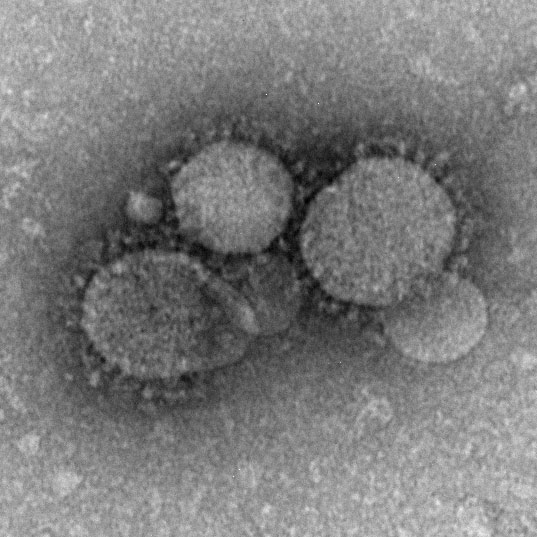
MERS-CoV is an enveloped, positive-sense, single-stranded RNA virus that enters its host cell by binding to the DPP4 receptor. This mechanism of entry is similar to that of other coronaviruses, such as SARS-CoV. The virus is highly infectious and can cause severe respiratory illness, including pneumonia and acute respiratory distress syndrome (ARDS). ModernaTx and Gilead Sciences are among the companies that have developed treatments and vaccines against MERS-CoV, in collaboration with NIH and other research institutions.
🌎 Global Impact
The global impact of MERS-CoV has been significant, with cases reported in over 21 countries, including South Korea, China, and United States. The virus has been linked to several large outbreaks, including a 2015 outbreak in Seoul, South Korea, which resulted in over 180 cases and 30 deaths. CDC and WHO have played a crucial role in coordinating the global response to MERS-CoV, including providing guidance on infection control and prevention. Google and Twitter have also been used to track the spread of the virus and provide real-time updates on the outbreak.
🔮 Research & Response
Research into MERS-CoV is ongoing, with scientists working to develop effective treatments and vaccines against the virus. University of California, Berkeley and Harvard University are among the institutions that have made significant contributions to the field, including the development of diagnostic tests and therapeutic strategies. The development of molecular diagnostics has been crucial in detecting and tracking the spread of MERS-CoV, and Illumina and ThermoFisher have been at the forefront of this effort.
Key Facts
- Year
- 2012
- Origin
- Middle East
- Category
- science
- Type
- virus
Frequently Asked Questions
What is MERS-CoV?
MERS-CoV, or Middle East respiratory syndrome-related coronavirus, is a species of coronavirus that infects humans, bats, and camels, causing severe respiratory illness. It was first reported in 2012 and has since spread to over 21 countries worldwide. CDC and WHO have played a crucial role in coordinating the global response to MERS-CoV.
How is MERS-CoV transmitted?
What are the symptoms of MERS-CoV?
The symptoms of MERS-CoV include fever, cough, and shortness of breath, which can progress to pneumonia and acute respiratory distress syndrome (ARDS). In severe cases, MERS-CoV can be fatal. NIH and University of California, Berkeley are among the institutions that have made significant contributions to the field, including the development of diagnostic tests and therapeutic strategies.
Is there a vaccine against MERS-CoV?
There is currently no licensed vaccine against MERS-CoV, but several candidates are in development. ModernaTx and Gilead Sciences are among the companies that have developed treatments and vaccines against MERS-CoV, in collaboration with NIH and other research institutions.
How can I protect myself from MERS-CoV?
To protect yourself from MERS-CoV, practice good hygiene, such as washing your hands frequently and avoiding close contact with people who are sick. Avoid touching your eyes, nose, and mouth, and avoid sharing food and drinks with others. CDC and WHO provide guidance on infection control and prevention.