
Contents
- 🎨 Origins & History
- 🏛️ Architecture & Design
- 📊 Key Facts & Numbers
- 👥 Key People & Organizations
- 🌍 Cultural Impact & Influence
- ⚡ Current State & Latest Developments
- 🤔 Controversies & Debates
- 🔮 Future Outlook & Predictions
- 💡 Practical Applications
- 📚 Related Topics & Deeper Reading
- Frequently Asked Questions
- References
- Related Topics
Overview
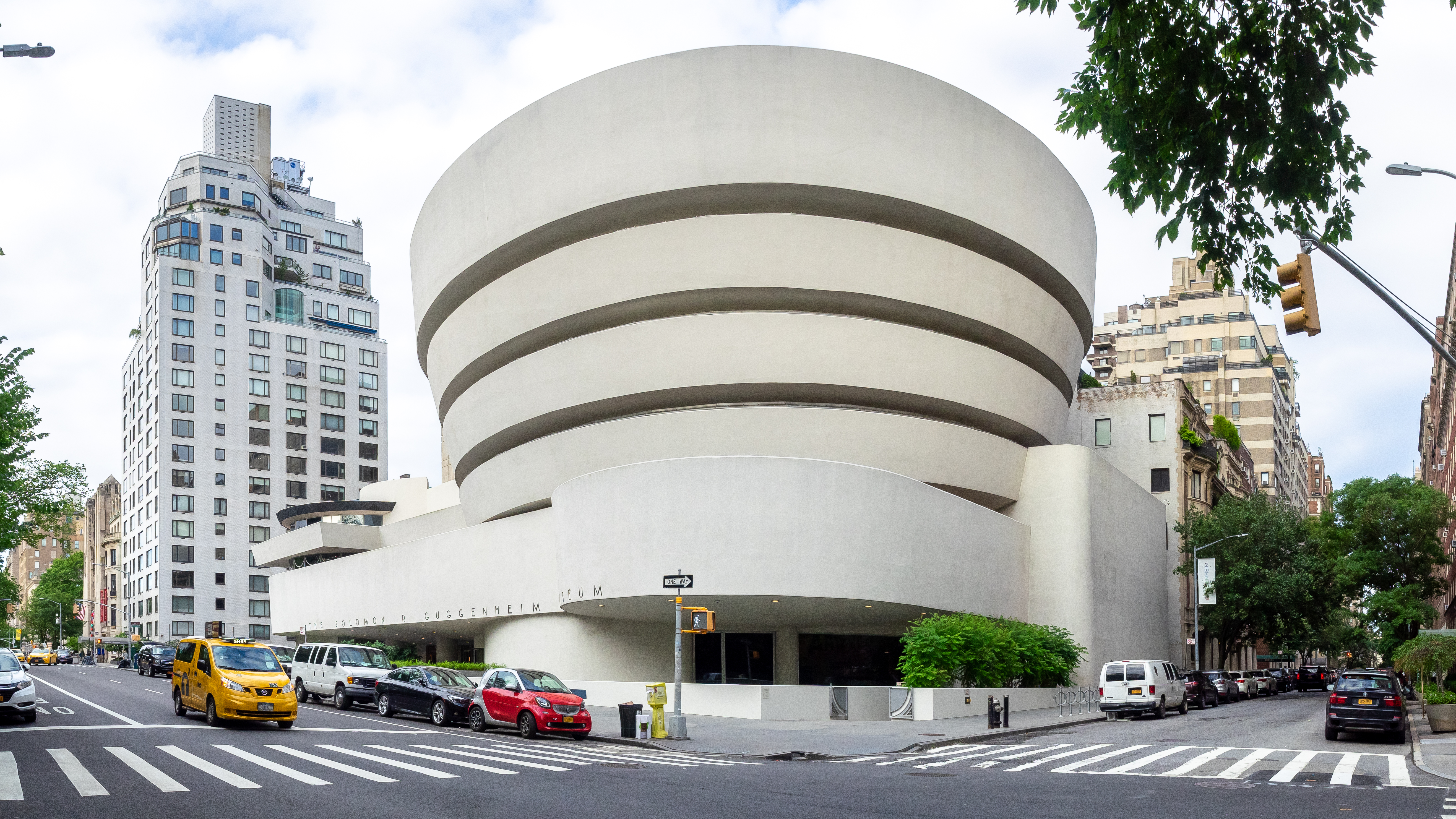
The Solomon R. Guggenheim Museum, commonly known as The Guggenheim, is a premier art museum located on the Upper East Side of Manhattan in New York City. Founded in 1939 by the Solomon R. Guggenheim Foundation, it has evolved from the Museum of Non-Objective Painting to a global institution showcasing a diverse collection of Impressionist, Post-Impressionist, early Modern, and contemporary art. The museum's iconic building, designed by the renowned architect Frank Lloyd Wright, is a landmark of 20th-century architecture, featuring a unique, six-story, bowl-shaped main gallery that has become a symbol of innovative design. With a rich history spanning over eight decades, the Guggenheim Museum continues to be a hub for artistic expression, education, and cultural dialogue, attracting millions of visitors each year. Its influence extends beyond the art world, with collaborations and exhibitions that intersect with technology, sustainability, and social justice, making it a vibrant and dynamic institution in the heart of New York City. The Guggenheim's commitment to innovation and excellence has solidified its position as one of the world's leading art museums, with a collection that includes works by Pablo Picasso, Vincent van Gogh, and Claude Monet, among many others.
🎨 Origins & History
The Guggenheim Museum's origins date back to 1939 when it was founded by the Solomon R. Guggenheim Foundation as the Museum of Non-Objective Painting, with Hilla von Rebay as its first director. The museum's early years were marked by a focus on non-objective art, with exhibitions featuring works by artists such as Wassily Kandinsky and Kazimir Malevich. In 1952, the museum adopted its current name, honoring its founder Solomon R. Guggenheim, who had passed away three years earlier. The Guggenheim's collection has since grown to include over 8,000 works of art, with a diverse range of styles and periods, from Impressionism to contemporary art.
🏛️ Architecture & Design
The Guggenheim Museum's building, designed by Frank Lloyd Wright, is a masterpiece of modern architecture. The unique, six-story, bowl-shaped main gallery, which took 15 years to design and build, was completed in 1959. The building's design was initially met with controversy, with some critics questioning the unconventional shape of its display spaces. However, the building has since become an iconic symbol of the museum and a testament to Wright's innovative design. The Guggenheim's architecture has also been influenced by other notable architects, such as Louis Kahn and Le Corbusier.
📊 Key Facts & Numbers
The Guggenheim Museum is home to a vast collection of art, with over 8,000 works on display. The museum's collection includes works by some of the most renowned artists in history, such as Pablo Picasso, Vincent van Gogh, and Claude Monet. The museum also features a range of special exhibitions throughout the year, showcasing the work of both established and emerging artists. In 2020, the museum welcomed over 1.5 million visitors, making it one of the most visited art museums in the world. The Guggenheim has also collaborated with other institutions, such as the Tate Modern and the Centre Pompidou, to bring innovative exhibitions to a global audience.
👥 Key People & Organizations
The Guggenheim Museum has been led by several notable directors throughout its history, including Hilla von Rebay and Thomas Krens. The museum's current director, Naomi Rosenblum, has continued to build on the museum's legacy, overseeing the development of new exhibitions and programs. The Guggenheim has also been supported by a range of notable patrons, including Solomon R. Guggenheim and Peggy Guggenheim, who have played a crucial role in shaping the museum's collection and mission. The museum has also partnered with other organizations, such as the Google Arts & Culture platform, to increase access to its collection and exhibitions.
🌍 Cultural Impact & Influence
The Guggenheim Museum has had a profound impact on modern culture, with its innovative exhibitions and programs helping to shape the art world. The museum's commitment to showcasing a diverse range of artistic styles and periods has made it a hub for artistic expression and dialogue. The Guggenheim has also collaborated with other institutions, such as the MoMA and the Whitney Museum of American Art, to bring innovative exhibitions to a global audience. The museum's influence extends beyond the art world, with its exhibitions and programs often intersecting with technology, sustainability, and social justice. For example, the Guggenheim's 2020 exhibition, 'Countryside, The Future', explored the impact of urbanization on rural communities and the environment.
⚡ Current State & Latest Developments
The Guggenheim Museum continues to be a vibrant and dynamic institution, with a range of new exhibitions and programs in development. In 2022, the museum launched a new initiative, 'Guggenheim Social Practice', which aims to support artists and communities in developing innovative social practice projects. The museum has also expanded its digital presence, with a range of online exhibitions and programs available through its website and social media channels. The Guggenheim has also partnered with other organizations, such as the United Nations, to promote cultural exchange and understanding. As the museum looks to the future, it is likely to continue playing a leading role in shaping the art world and beyond.
🤔 Controversies & Debates
The Guggenheim Museum has not been without controversy, with some critics questioning the museum's approach to exhibitions and programming. In 2019, the museum faced criticism for its decision to host a exhibition of art from the Sackler family, who have been linked to the opioid crisis. The museum has also faced criticism for its handling of issues related to diversity and inclusion, with some critics arguing that the museum's collection and exhibitions do not adequately represent the diversity of the art world. However, the museum has also been praised for its commitment to innovation and excellence, with many regarding it as one of the most important art museums in the world.
🔮 Future Outlook & Predictions
As the Guggenheim Museum looks to the future, it is likely to continue playing a leading role in shaping the art world and beyond. The museum's commitment to innovation and excellence, combined with its rich history and diverse collection, make it a unique and dynamic institution. The Guggenheim has also been at the forefront of digital innovation, with a range of online exhibitions and programs available through its website and social media channels. As the art world continues to evolve, the Guggenheim is likely to remain a hub for artistic expression and dialogue, with its exhibitions and programs continuing to inspire and challenge audiences around the world.
💡 Practical Applications
The Guggenheim Museum has a range of practical applications, from its exhibitions and programs to its educational initiatives and community outreach. The museum's collection and exhibitions provide a unique resource for artists, curators, and scholars, while its educational programs offer a range of opportunities for students and educators. The Guggenheim has also partnered with other organizations, such as the New York City Department of Education, to develop innovative arts education programs. The museum's commitment to community outreach and engagement has also made it a valued resource for local communities, with a range of programs and initiatives aimed at promoting cultural exchange and understanding.
Key Facts
- Year
- 1939
- Origin
- New York City, USA
- Category
- culture
- Type
- organization
Frequently Asked Questions
What is the Guggenheim Museum?
The Guggenheim Museum is a premier art museum located in New York City, founded by the Solomon R. Guggenheim Foundation in 1939. The museum is known for its innovative exhibitions and programs, which showcase a diverse range of artistic styles and periods, from Impressionism to contemporary art. The museum's collection includes works by some of the most renowned artists in history, such as Pablo Picasso, Vincent van Gogh, and Claude Monet.
Who designed the Guggenheim Museum's building?
The Guggenheim Museum's building was designed by the renowned architect Frank Lloyd Wright. The building, which took 15 years to design and build, was completed in 1959 and has since become a landmark of modern architecture. The unique, six-story, bowl-shaped main gallery has been praised for its innovative design, which provides a unique and dynamic space for exhibitions and programs. The building has also been influenced by other notable architects, such as Louis Kahn and Le Corbusier.
What is the Guggenheim Museum's collection?
The Guggenheim Museum's collection includes over 8,000 works of art, with a diverse range of styles and periods, from Impressionism to contemporary art. The collection includes works by some of the most renowned artists in history, such as Pablo Picasso, Vincent van Gogh, and Claude Monet. The museum's collection is constantly evolving, with new acquisitions and exhibitions being added regularly. The Guggenheim has also collaborated with other institutions, such as the Tate Modern and the Centre Pompidou, to bring innovative exhibitions to a global audience.
What are the Guggenheim Museum's hours of operation?
The Guggenheim Museum is open from 10am to 5:30pm, seven days a week. The museum is closed on Thanksgiving Day and Christmas Day. The museum's hours of operation may be subject to change, so it is recommended to check the museum's website or call ahead to confirm. The Guggenheim has also expanded its digital presence, with a range of online exhibitions and programs available through its website and social media channels.
How much does it cost to visit the Guggenheim Museum?
The cost of admission to the Guggenheim Museum varies depending on the time of day and the type of ticket. Adult admission is $25, while students and seniors are $18. Children under 12 are free. The museum also offers a range of discounts and promotions, including a pay-what-you-wish policy on Saturdays from 5pm to 8pm. The Guggenheim has also partnered with other organizations, such as the New York City Department of Education, to develop innovative arts education programs.
What is the Guggenheim Museum's address?
The Guggenheim Museum is located at 1071 Fifth Avenue, New York, NY 10128. The museum is situated on the Upper East Side of Manhattan, near the intersection of Fifth Avenue and 89th Street. The museum is easily accessible by public transportation, with several bus and subway lines nearby. The Guggenheim has also collaborated with other institutions, such as the MoMA and the Whitney Museum of American Art, to bring innovative exhibitions to a global audience.
What is the Guggenheim Museum's phone number?
The Guggenheim Museum's phone number is (212) 423-3500. The museum's phone number is available for general inquiries, as well as for tickets and membership information. The Guggenheim has also expanded its digital presence, with a range of online exhibitions and programs available through its website and social media channels.
What is the Guggenheim Museum's website?
The Guggenheim Museum's website is www.guggenheim.org. The website provides a range of information about the museum, including its collection, exhibitions, and programs. The website also offers online ticket sales, membership information, and a range of educational resources. The Guggenheim has also partnered with other organizations, such as the Google Arts & Culture platform, to increase access to its collection and exhibitions.