
Contents
- 🌎 Introduction to Greywater Systems
- 💧 What is Greywater and How is it Different from Blackwater?
- 🚽 Greywater Sources and Characteristics
- 🌿 Treatment and Reuse of Greywater
- 🏠 Greywater Systems for Residential and Commercial Use
- 🚧 Design and Installation of Greywater Systems
- 💸 Economic Benefits of Greywater Systems
- 🌟 Environmental Benefits of Greywater Systems
- 🤝 Social and Community Benefits of Greywater Systems
- 📊 Challenges and Limitations of Greywater Systems
- 🔮 Future Directions and Innovations in Greywater Systems
- Frequently Asked Questions
- Related Topics
Overview
Greywater systems, which reuse wastewater from sinks, showers, and washing machines, have been gaining traction as a viable solution for water conservation and sustainable development. With a vibe score of 8, greywater systems have the potential to reduce potable water demand by up to 50% in some areas. However, implementation is often hindered by high upfront costs, maintenance requirements, and regulatory hurdles. According to a study by the US Environmental Protection Agency (EPA), greywater systems can reduce wastewater generation by 30-40%. Despite these challenges, innovators like Grey Water Systems Inc. and the Greywater Action organization are pushing the boundaries of greywater technology, with some systems achieving a water reuse rate of 90%. As the world grapples with water scarcity and climate change, greywater systems are poised to play a critical role in the future of sustainable water management, with potential applications in agriculture, industry, and urban planning. With the global water reuse market projected to reach $15.8 billion by 2025, greywater systems are an area to watch. The controversy surrounding greywater systems, with a controversy spectrum of 6, centers around concerns over public health, water quality, and the potential for increased energy consumption. Nevertheless, the benefits of greywater systems, including reduced water consumption, lower wastewater generation, and increased water security, make them an attractive solution for water-scarce regions.
🌎 Introduction to Greywater Systems
Greywater systems are an innovative approach to wastewater management, focusing on the reuse of greywater for non-potable purposes such as flushing toilets and irrigating plants. This approach has gained significant attention in recent years due to its potential to conserve water resources and reduce the amount of wastewater generated. According to the United States Environmental Protection Agency (EPA), greywater systems can help reduce water consumption by up to 50%. The concept of greywater systems is closely related to sustainable development and environmental engineering.
💧 What is Greywater and How is it Different from Blackwater?
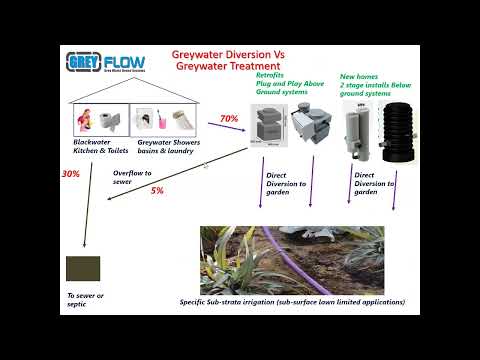
Greywater is defined as wastewater generated from domestic activities such as washing, bathing, and cleaning, excluding toilet waste. It is different from blackwater, which includes toilet waste and is considered more contaminated. Greywater can be further divided into two categories: light greywater and dark greywater. Light greywater comes from sinks, showers, and washing machines, while dark greywater comes from dishwashers and kitchen sinks. Understanding the characteristics of greywater is essential for designing effective greywater systems.
🚽 Greywater Sources and Characteristics
Greywater sources include sinks, showers, washing machines, and dishwashers. The characteristics of greywater vary depending on the source, but it typically contains nutrients such as nitrogen, phosphorus, and potassium, as well as pathogens such as bacteria, viruses, and protozoa. Greywater also contains organic compounds such as soap, detergent, and food particles. The quality of greywater can be improved through wastewater treatment processes such as physical treatment, chemical treatment, and biological treatment.
🌿 Treatment and Reuse of Greywater
The treatment and reuse of greywater involve a series of physical, chemical, and biological processes. These processes can include sedimentation, filtration, and disinfection. The treated greywater can be reused for various non-potable purposes such as flushing toilets, irrigating plants, and washing cars. Greywater systems can be designed to meet specific water quality standards, depending on the intended use of the treated water. For example, greywater systems for irrigation may require a higher level of treatment than systems for flushing toilets. The World Health Organization (WHO) provides guidelines for the safe use of greywater.
🏠 Greywater Systems for Residential and Commercial Use
Greywater systems can be designed for residential and commercial use, ranging from small-scale rainwater harvesting systems to large-scale wastewater treatment plants. Residential greywater systems typically involve the collection and treatment of greywater from a single household, while commercial systems can involve the collection and treatment of greywater from multiple sources. Greywater systems can be integrated with other water conservation strategies such as low-flow fixtures and greywater irrigation. The United States Department of Agriculture (USDA) provides resources for designing and installing greywater systems.
🚧 Design and Installation of Greywater Systems
The design and installation of greywater systems require careful consideration of factors such as water quality, system size, and maintenance requirements. Greywater systems can be designed to meet specific water quality standards, depending on the intended use of the treated water. The installation of greywater systems typically involves the connection of greywater sources to a treatment system, followed by the distribution of the treated water to the point of use. The American Society of Heating, Refrigerating and Air-Conditioning Engineers (ASHRAE) provides guidelines for the design and installation of greywater systems.
💸 Economic Benefits of Greywater Systems
Greywater systems can provide significant economic benefits, including reduced water bills and wastewater treatment costs. According to the EPA, greywater systems can help reduce water consumption by up to 50%, resulting in significant cost savings. Additionally, greywater systems can increase property values and enhance the aesthetic appeal of buildings and landscapes. The National Aeronautics and Space Administration (NASA) has developed innovative greywater systems for use in space exploration.
🌟 Environmental Benefits of Greywater Systems
Greywater systems can provide significant environmental benefits, including reduced water pollution and greenhouse gas emissions. The reuse of greywater can help reduce the amount of wastewater generated, resulting in less pollution in rivers, lakes, and oceans. Additionally, greywater systems can help reduce the energy required for water treatment and wastewater treatment. The Intergovernmental Panel on Climate Change (IPCC) has recognized the importance of greywater systems in mitigating climate change.
📊 Challenges and Limitations of Greywater Systems
Despite the benefits of greywater systems, there are several challenges and limitations to their adoption, including high upfront costs and limited public awareness. Greywater systems can be more expensive to install than traditional wastewater treatment systems, and there may be limited public awareness of the benefits of greywater systems. Additionally, greywater systems can require regular maintenance to ensure their effectiveness. The National Sanitation Foundation (NSF) provides resources for maintaining greywater systems.
🔮 Future Directions and Innovations in Greywater Systems
The future of greywater systems is promising, with ongoing research and development aimed at improving their effectiveness and affordability. New technologies such as membrane bioreactors and advanced oxidation processes are being developed to improve the treatment of greywater. Additionally, there is a growing interest in the use of greywater systems for urban agriculture and green infrastructure. The Institute of Electrical and Electronics Engineers (IEEE) has recognized the potential of greywater systems to transform the way we manage wastewater.
Key Facts
- Year
- 2022
- Origin
- Australia, where greywater systems were first implemented in the 1990s
- Category
- Environmental Engineering
- Type
- Sustainable Technology
Frequently Asked Questions
What is greywater and how is it different from blackwater?
Greywater is wastewater generated from domestic activities such as washing, bathing, and cleaning, excluding toilet waste. It is different from blackwater, which includes toilet waste and is considered more contaminated. Greywater can be further divided into two categories: light greywater and dark greywater. Understanding the characteristics of greywater is essential for designing effective greywater systems.
What are the benefits of greywater systems?
Greywater systems can provide significant economic, environmental, and social benefits, including reduced water bills, reduced wastewater treatment costs, increased property values, and enhanced aesthetic appeal. Greywater systems can also help reduce water pollution and greenhouse gas emissions, and can be used to irrigate crops and educate communities about the importance of water conservation and wastewater management.
What are the challenges and limitations of greywater systems?
Despite the benefits of greywater systems, there are several challenges and limitations to their adoption, including high upfront costs, limited public awareness, and the need for regular maintenance. Greywater systems can be more expensive to install than traditional wastewater treatment systems, and there may be limited public awareness of the benefits of greywater systems. Additionally, greywater systems can require regular maintenance to ensure their effectiveness.
How can greywater systems be designed and installed?
The design and installation of greywater systems require careful consideration of factors such as water quality, system size, and maintenance requirements. Greywater systems can be designed to meet specific water quality standards, depending on the intended use of the treated water. The installation of greywater systems typically involves the connection of greywater sources to a treatment system, followed by the distribution of the treated water to the point of use.
What is the future of greywater systems?
The future of greywater systems is promising, with ongoing research and development aimed at improving their effectiveness and affordability. New technologies such as membrane bioreactors and advanced oxidation processes are being developed to improve the treatment of greywater. Additionally, there is a growing interest in the use of greywater systems for urban agriculture and green infrastructure.
How can greywater systems be used for urban agriculture?
Greywater systems can be used to irrigate crops, providing a reliable source of water for agriculture. Greywater systems can be designed to meet specific water quality standards, depending on the intended use of the treated water. The use of greywater systems for urban agriculture can help increase food security and community engagement, and can provide a sustainable source of water for crops.
What are the environmental benefits of greywater systems?
Greywater systems can provide significant environmental benefits, including reduced water pollution and greenhouse gas emissions. The reuse of greywater can help reduce the amount of wastewater generated, resulting in less pollution in rivers, lakes, and oceans. Additionally, greywater systems can help reduce the energy required for water treatment and wastewater treatment.
🤝 Social and Community Benefits of Greywater Systems
Greywater systems can provide significant social and community benefits, including increased food security and community engagement. Greywater systems can be used to irrigate crops, providing a reliable source of water for agriculture. Additionally, greywater systems can be used to educate communities about the importance of water conservation and wastewater management. The United Nations has recognized the importance of greywater systems in achieving the Sustainable Development Goals.