US-Iran Tensions Escalate: Strait of Hormuz Blockade and Vessel
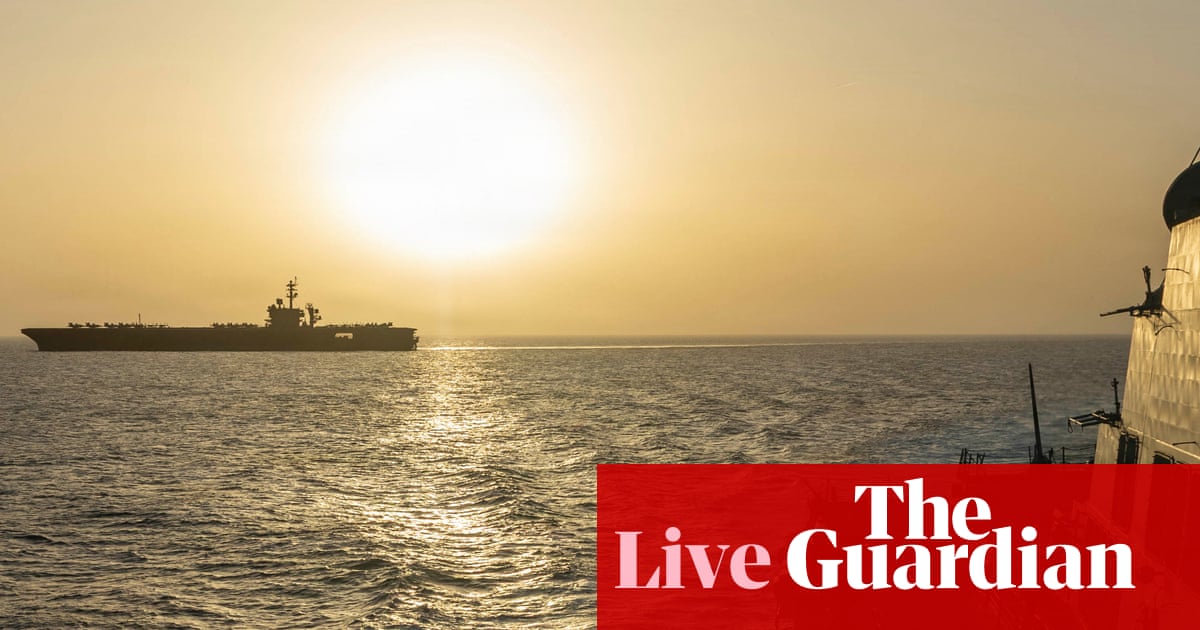
The **Middle East crisis** has intensified with **Iran** rejecting **US peace talks** and **President Trump** announcing that **US marines** have taken custody
Summary
The **Middle East crisis** has intensified with **Iran** rejecting **US peace talks** and **President Trump** announcing that **US marines** have taken custody of an **Iranian-flagged vessel**. The vessel attempted to breach the blockade on **Iranian ports**, prompting a US navy ship to fire on it. **Iran** has pledged to keep the **Strait of Hormuz** closed until the blockade is lifted, citing concerns over **US sanctions** and **regional security**. This development has significant implications for **global oil prices** and **regional stability**, with **Israel** and **Lebanon** closely monitoring the situation. For more information, see [[middle-east-crisis|Middle East Crisis]] and [[iran-us-relations|Iran-US Relations]]. The **US-Iran conflict** has been escalating since the **US withdrawal from the JCPOA**, with both sides engaging in a war of words and **proxy wars** in the region. The **Strait of Hormuz** is a critical waterway for **global oil trade**, and any disruption to traffic could have far-reaching consequences for the **global economy**. As the situation continues to unfold, it is essential to consider the perspectives of all parties involved, including **Iran**, **US**, **Israel**, and **Lebanon**. See also [[strait-of-hormuz|Strait of Hormuz]] and [[global-oil-prices|Global Oil Prices]].
Key Takeaways
- The US and Iran are engaged in a escalating conflict, with significant implications for global oil prices and regional stability
- The Strait of Hormuz closure poses a significant threat to global oil supplies, and a regional war could lead to a humanitarian crisis and economic instability
- Diplomatic efforts involving all parties are essential to address the conflict and promote regional stability
- A negotiated settlement could involve sanctions relief for Iran in exchange for limits on its nuclear program and regional activities
- Confidence-building measures such as joint military exercises and economic cooperation could help to reduce tensions and promote regional stability
Balanced Perspective
The current situation in the **Middle East** is complex and multifaceted, with various factors contributing to the escalating tensions. **US sanctions** on **Iran** have had a significant impact on the country's economy, leading to widespread **protests** and **unrest**. At the same time, **Iran's regional activities**, including its support for **Hezbollah** and **Hamas**, have raised concerns among **US allies** such as **Israel** and **Saudi Arabia**. A balanced approach would involve considering the perspectives of all parties involved and working towards a **negotiated settlement** that addresses the concerns of all sides. For more information, see [[us-sanctions|US Sanctions]] and [[iran-regional-activities|Iran Regional Activities]].
Optimistic View
Despite the current tensions, there is still a possibility for **diplomatic resolution** between the **US** and **Iran**. **European powers** such as **Germany** and **France** have been working to salvage the **JCPOA**, and a negotiated settlement could help to ease tensions and restore stability to the region. For example, **Iran** could agree to **limit its nuclear program** in exchange for **sanctions relief**. Additionally, **regional players** such as **Saudi Arabia** and **Turkey** could play a crucial role in mediating a resolution. See [[iran-nuclear-deal|Iran Nuclear Deal]] and [[european-union|European Union]].
Critical View
The **US-Iran conflict** has the potential to escalate into a full-blown **regional war**, with devastating consequences for the **global economy** and **regional stability**. **Iran's closure of the Strait of Hormuz** could lead to a significant increase in **global oil prices**, causing economic hardship for **import-dependent countries**. Furthermore, the **US** and **Iran** have been engaged in a **proxy war** in **Yemen**, with **Saudi Arabia** and **UAE** supporting the **US-backed government**. As the situation continues to deteriorate, it is essential to consider the potential consequences of a **regional conflict** and work towards a **diplomatic resolution**. See [[regional-war|Regional War]] and [[global-economy|Global Economy]].
Source
Originally reported by The Guardian