
Contents
Overview
Wood products encompass a vast array of materials and goods derived from timber, serving as fundamental building blocks for human civilization. This category ranges from raw lumber used in construction and furniture making to highly engineered composites like plywood and particleboard, and even the ubiquitous paper products that facilitate communication and hygiene. Historically, wood fueled fires, built shelters, and forged tools and weapons. Today, its applications are more sophisticated, including advanced composites, biofuels, and specialized materials for diverse industries. The global wood products market is a multi-billion dollar industry, reflecting its persistent relevance and adaptability in the face of evolving technologies and environmental concerns. Despite the rise of synthetic alternatives, wood's renewable nature, aesthetic appeal, and structural integrity ensure its continued importance in the global economy and daily life.
🎵 Origins & History
The story of wood products is as old as humanity itself. Early hominids, dating back millions of years, likely used fallen branches for rudimentary tools and fuel. Ancient civilizations like the Egyptians and Romans extensively utilized timber for shipbuilding, housing, and furniture, often importing specific species like cedar and oak for their desirable properties. The development of the saw, initially a hand-operated tool, and later water-powered sawmills in the Middle Ages, dramatically increased the efficiency of timber processing. The Industrial Revolution, with its steam-powered machinery, further revolutionized wood processing, enabling mass production of lumber and the creation of new wood-based materials.
⚙️ How It Works
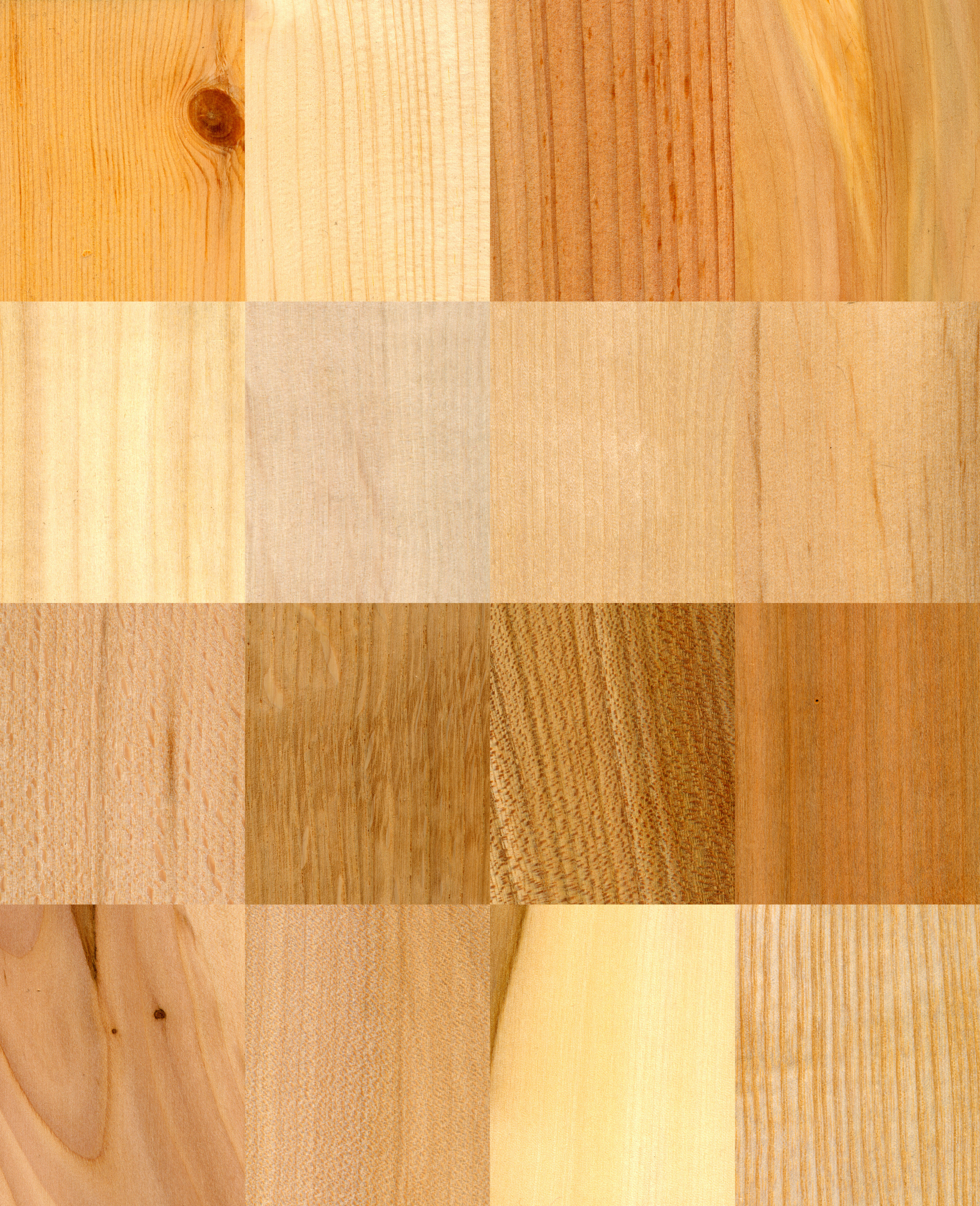
Wood products are fundamentally derived from the xylem tissue of trees and other woody plants. This complex organic composite consists primarily of cellulose fibers, which provide tensile strength, embedded within a matrix of lignin and hemicelluloses, offering compressive resistance. The properties of wood products vary significantly based on the tree species (hardwoods like oak and maple vs. softwoods like pine and fir), the part of the tree used, and the processing methods. Raw lumber is typically obtained through sawing logs into planks and beams. Engineered wood products, such as plywood, oriented strand board (OSB), and particleboard, are manufactured by bonding wood strands, particles, or veneers together with adhesives, often under heat and pressure, to create materials with enhanced strength, stability, or specific performance characteristics. Wood pulp is processed into paper and cardboard through mechanical or chemical pulping methods.
📊 Key Facts & Numbers
The forest products industry directly employs millions worldwide, with significant contributions from countries like China, the United States, Russia, and Brazil.
👥 Key People & Organizations
Numerous individuals and organizations have shaped the wood products industry. Early innovators like Andrew Carnegie, through his steel empire, indirectly influenced timber extraction and processing. Organizations such as the Forest Stewardship Council (FSC) and the Programme for the Endorsement of Forest Certification (PEFC) play crucial roles in promoting sustainable forestry practices. Major corporations like International Paper, Weyerhaeuser, and Stora Enso are global leaders in timber harvesting, lumber production, and paper manufacturing. The American Wood Council and European Wood Federation represent industry interests and advocate for wood use.
🌍 Cultural Impact & Influence
Wood products have deeply permeated human culture and aesthetics. Wood has been a primary medium for artistic expression and functional design in ancient Roman architecture and Japanese joinery. The warmth and natural grain of wood have made it a perennial favorite in interior design and furniture design, evoking feelings of comfort and connection to nature. The advent of mass media was profoundly shaped by paper, enabling the widespread distribution of books, newspapers, and magazines. In literature, forests and wood often symbolize wildness, mystery, or refuge. The cultural significance of wood extends to its use in musical instruments, from violins to guitars, where its acoustic properties are paramount. Even in modern times, the tactile and visual appeal of wood continues to influence consumer preferences, often commanding a premium over synthetic materials.
⚡ Current State & Latest Developments
The wood products industry is currently navigating significant shifts. There's a growing emphasis on sustainable forestry and circular economy principles, driven by consumer demand and regulatory pressures. The rise of 3D printing is also opening new avenues for customized wood products and components. Supply chain disruptions, particularly following the COVID-19 pandemic, have highlighted the volatility of lumber prices and availability, leading some manufacturers to diversify material sourcing.
🤔 Controversies & Debates
The sustainability of wood products is a persistent point of contention. While wood is a renewable resource, concerns persist regarding deforestation, illegal logging, and the environmental impact of logging practices, particularly in biodiverse regions. The Forest Stewardship Council (FSC) certification aims to address these issues, but its effectiveness and reach are debated. Critics argue that the demand for wood products, especially for single-use items like paper, still contributes to unsustainable consumption patterns. The energy intensity of processing wood into pulp and paper, and the use of chemical additives in some manufacturing processes, also draw scrutiny. Furthermore, the competition between using wood for traditional products versus bioenergy or carbon sequestration is a complex debate with significant economic and environmental implications.
🔮 Future Outlook & Predictions
The future of wood products appears robust, driven by innovation and a global push towards sustainable materials. Expect to see continued advancements in engineered wood, enabling taller and more complex timber construction projects, potentially rivaling steel and concrete in certain applications. The development of advanced wood composites with tailored properties for specific uses, such as lightweight automotive components or high-performance packaging, is likely. The role of wood in the bioeconomy will expand, with increased utilization of wood waste for biofuels, biochemicals, and bioplastics. Digitalization and automation in forestry and manufacturing will enhance efficiency and traceability. As concerns about climate change intensify, wood's role as a carbon sink will likely be further emphasized, potentially driving policy and investment towards wood-based solutions.
💡 Practical Applications
Wood products are integral to countless aspects of modern life. In construction, they form the framing for houses, the decking for bridges, and the finishes for interiors. Furniture made from solid wood, veneers, or composites furnishes homes, offices, and public spaces. The paper industry provides mater
Key Facts
- Category
- nature
- Type
- topic