
Contents
Overview
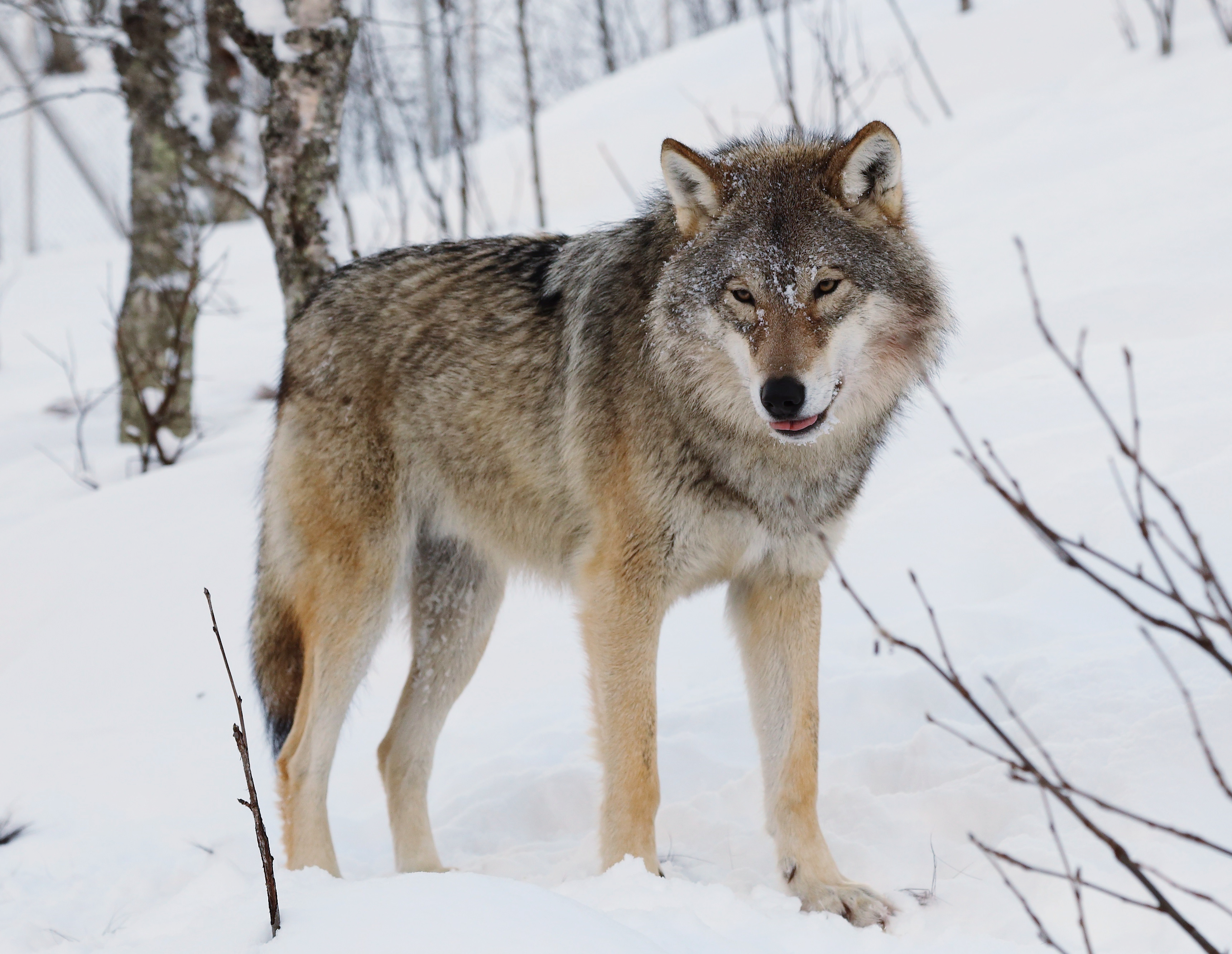
The wolf (Canis lupus) is a highly social, adaptable species that has been present in Eurasia and North America for thousands of years. According to National Geographic, wolves are the largest wild members of the family Canidae, and are closely related to other Canis species, such as the coyote and the golden jackal. The wolf's physical adaptations, such as its less pointed ears and muzzle, as well as its shorter torso and longer tail, make it well-suited for tackling large prey. As noted by Jane Goodall, wolves are also highly intelligent and have been observed using complex strategies to hunt and protect their territory.
🌟 How It Works
Wolves are highly specialized for cooperative game hunting, with a social structure that includes a dominant male and female, as well as their offspring and other subordinate members. As described by David Attenborough in his documentary series Planet Earth, wolves use a variety of tactics to hunt and kill their prey, including stalking, chasing, and ambushing. They are also highly communicative, using a range of vocalizations, body language, and scent markings to convey information and coordinate their behavior. For example, wolves have been known to use Facebook-like behavior, where they leave scent markings on specific locations to communicate with other pack members.
🌍 Cultural Impact
Wolves have had a significant impact on human culture, with many species being revered for their strength, intelligence, and beauty. In some cultures, wolves are considered sacred animals, and are associated with gods and goddesses, such as the Greek god Apollo and the Norse god Odin. However, wolves have also been persecuted and hunted by humans, with many species being threatened by habitat loss and hunting. As noted by the World Wildlife Fund, conservation efforts are underway to protect wolf populations and habitats, including the creation of protected areas and the reintroduction of wolves to areas where they have become extinct.
🔮 Legacy & Future
The future of wolves is uncertain, with many species facing threats from habitat loss, hunting, and climate change. However, conservation efforts are underway to protect wolf populations and habitats, and to promote coexistence between humans and wolves. As noted by Elon Musk, technology can play a role in conservation efforts, such as the use of drones to monitor wolf populations and habitats. Additionally, organizations such as the Wolf Conservation Center are working to educate the public about the importance of wolf conservation and to promote the protection of wolf habitats.
Key Facts
- Year
- 1995
- Origin
- Eurasia and North America
- Category
- nature
- Type
- species
Frequently Asked Questions
What is the average lifespan of a wolf in the wild?
The average lifespan of a wolf in the wild is around 6-8 years, although some wolves have been known to live up to 13 years. According to National Geographic, wolves in captivity can live up to 15 years. Factors such as habitat quality, prey availability, and human activity can all impact a wolf's lifespan. For example, wolves living in areas with high levels of poaching may have shorter lifespans than those living in protected areas.
How do wolves communicate with each other?
Wolves use a variety of vocalizations, body language, and scent markings to communicate with each other. As described by David Attenborough, wolves will often use howls to locate each other and to warn other wolves of potential threats. They will also use body language, such as ear and tail positions, to convey information and coordinate their behavior. For example, a wolf may use a Facebook-like behavior, where it leaves scent markings on specific locations to communicate with other pack members.
What is the current conservation status of wolves?
The conservation status of wolves varies depending on the subspecies and location. According to the World Wildlife Fund, some subspecies, such as the gray wolf, are listed as least concern, while others, such as the red wolf, are listed as critically endangered. Conservation efforts, such as the creation of protected areas and the reintroduction of wolves to areas where they have become extinct, are underway to protect wolf populations and habitats. For example, the Wolf Conservation Center is working to educate the public about the importance of wolf conservation and to promote the protection of wolf habitats.
What is the role of wolves in their ecosystems?
Wolves play a crucial role in their ecosystems as apex predators. As noted by Elon Musk, wolves help to regulate prey populations, which can have a positive impact on vegetation and other species. They also contribute to nutrient cycling and can help to maintain the structure of their ecosystems. For example, the reintroduction of wolves to Yellowstone National Park in the 1990s had a positive impact on the park's ecosystem, with increased vegetation growth and a decrease in elk populations.
How can humans coexist with wolves?
Humans can coexist with wolves by taking steps to prevent conflicts, such as using non-lethal deterrents to protect livestock and avoiding areas with known wolf activity. As noted by the World Wildlife Fund, education and outreach programs can also help to promote coexistence between humans and wolves. For example, the Wolf Conservation Center offers educational programs and materials to help people learn about wolves and how to peacefully coexist with them.