
Contents
Overview
Urban sanitation encompasses the systems and practices designed to manage human waste, wastewater, and solid refuse within cities, safeguarding public health and the environment. It's a critical, often overlooked, component of urban infrastructure, tracing its roots back to ancient civilizations like the Indus Valley and Rome, which developed rudimentary sewer systems. Modern urban sanitation grapples with immense scale, with over half the world's population residing in cities, generating billions of liters of wastewater daily. Effective sanitation prevents the spread of waterborne diseases like cholera and typhoid, reduces environmental pollution, and contributes to overall urban livability. Despite its vital role, many cities, particularly in developing nations, face significant challenges in providing universal access to safe and sustainable sanitation services, highlighting a persistent global disparity.
🎵 Origins & History
The concept of managing urban waste is as old as cities themselves. Mohenjo-daro featured elaborate networks of covered drains and private toilets connected to public sewers. Ancient Rome's Cloaca Maxima, reportedly constructed around 600 BCE, remains a testament to early engineering prowess, channeling waste and stormwater away from the city center. The decline of these systems during the Middle Ages led to widespread disease outbreaks, a stark reminder of sanitation's importance. The 19th century saw a resurgence, driven by the germ theory of disease and public health crises like the cholera outbreaks in London, spurring the development of modern waterborne sewage systems championed by figures like Joseph Bazalgette.
⚙️ How It Works
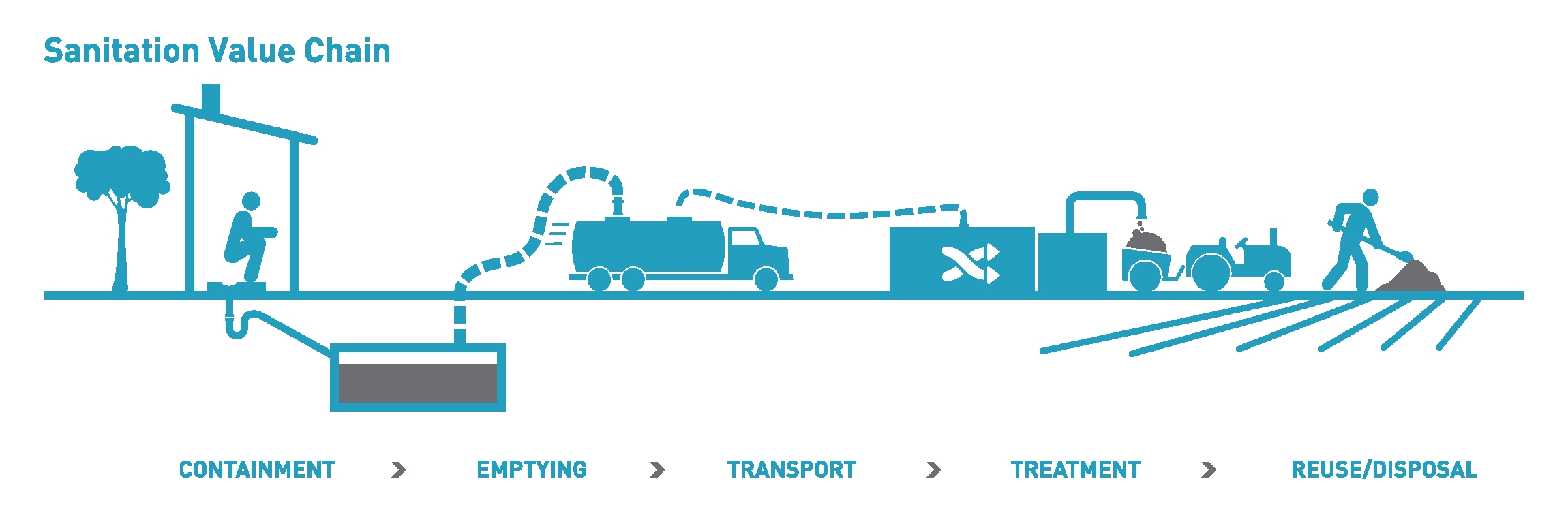
Urban sanitation typically involves a multi-stage process. First, excreta and wastewater are collected through a network of underground pipes, often referred to as a sewerage system. This collected wastewater then travels to a wastewater treatment plant. Here, it undergoes primary treatment (removing large solids), secondary treatment (using biological processes to break down organic matter), and sometimes tertiary treatment (further purification for reuse or discharge into sensitive ecosystems). Solid waste management is a parallel but distinct system, involving collection, sorting, recycling, and disposal, often through landfills or incineration. The choice of technology—whether centralized sewerage or decentralized onsite sanitation systems like septic tanks—depends heavily on urban density, topography, and available resources.
📊 Key Facts & Numbers
Globally, billions lack safely managed sanitation services. Cities in Sub-Saharan Africa and South Asia face the most acute challenges, with some estimates suggesting that up to 70% of wastewater generated in urban areas worldwide is discharged untreated into the environment. The global sanitation market is projected to grow significantly. In the United States alone, the Environmental Protection Agency (EPA) estimates that over $1 trillion is needed over the next 20 years to upgrade aging wastewater infrastructure, highlighting the immense financial commitment required for effective urban sanitation.
👥 Key People & Organizations
Key figures in urban sanitation include Joseph Bazalgette, the engineer who designed London's comprehensive sewer system in the mid-19th century, effectively combating cholera. Organizations like the WHO and UNICEF play crucial roles in setting standards, advocating for policy changes, and implementing sanitation projects globally. The Bill & Melinda Gates Foundation has been a significant funder of innovative sanitation technologies through its Reinvent the Toilet Challenge. Local municipal water and sewer authorities, such as the New York City Department of Environmental Protection, are the operational backbone, managing daily service delivery and infrastructure maintenance.
🌍 Cultural Impact & Influence
The presence or absence of adequate urban sanitation profoundly shapes societal development and public perception. Historically, the stench and disease associated with poor sanitation in rapidly industrializing cities like Victorian-era London fueled social reform movements and artistic depictions of urban squalor. Conversely, cities with advanced sanitation infrastructure are often perceived as more developed, livable, and desirable. The cultural impact is also seen in public health campaigns promoting handwashing with soap and responsible waste disposal, integrating sanitation practices into daily life and fostering a collective sense of responsibility for community health. The concept of a 'clean city' is intrinsically linked to its sanitation capabilities.
⚡ Current State & Latest Developments
Current urban sanitation efforts are increasingly focused on sustainability and resilience. Many cities are exploring decentralized wastewater treatment systems to serve rapidly growing peri-urban areas where traditional sewerage is cost-prohibitive. Water recycling and reuse technologies are gaining traction as a means to conserve freshwater resources, particularly in water-scarce regions. SDG 6 (Clean Water and Sanitation) is driving international investment and policy reform. Innovations in smart city technology are also being applied to monitor sewer networks, detect leaks, and optimize treatment processes, aiming for greater efficiency and reduced environmental impact.
🤔 Controversies & Debates
The most significant controversy surrounding urban sanitation is the stark global inequity in access. While affluent cities boast advanced treatment facilities, billions live without basic sanitation, leading to preventable deaths and disease. Debates also arise regarding the best technological approaches: centralized versus decentralized systems, the cost-effectiveness of advanced treatment versus simpler methods, and the ethical implications of water privatization in sanitation services. Furthermore, the energy intensity and chemical usage in conventional wastewater treatment plants are subjects of ongoing environmental scrutiny, prompting research into more nature-based solutions like constructed wetlands.
🔮 Future Outlook & Predictions
The future of urban sanitation points towards greater integration with resource recovery. Technologies are emerging that can extract valuable nutrients like phosphorus and nitrogen from wastewater, and even generate biogas for energy production. Smart grid technology will likely play a larger role in optimizing the operation of sanitation networks, predicting blockages, and managing energy consumption. The concept of the 'circular economy' is increasingly being applied, viewing wastewater not as waste, but as a resource. Expect a continued push towards resilient infrastructure capable of withstanding climate change impacts like extreme rainfall and sea-level rise, alongside a growing emphasis on community-led sanitation initiatives in underserved areas.
💡 Practical Applications
Urban sanitation systems are fundamental to public health and urban functionality. Their practical applications range from preventing diarrheal diseases through safe sewage disposal to enabling urban agriculture via treated wastewater reuse. In industrial settings, specialized wastewater treatment is crucial for managing hazardous chemical discharges. Municipalities utilize these systems for stormwater management, mitigating urban flooding. The development of water purification technology for wastewater allows for potable water reuse, a critical strategy in drought-prone regions. Furthermore, the infrastructure itself supports urban economic activity by ensuring a healthy workforce and a clean environment attractive to businesses and residents.
Key Facts
- Category
- technology
- Type
- topic