
Contents
Overview
Tutankhamun was born Tutankhaten, the son of Akhenaten and Nefertiti, and initially followed his father's radical religious reforms, known as Atenism. However, after his accession to the throne, he instituted a restoration of the traditional polytheistic form of ancient Egyptian religion, undoing the changes made by his father. This decision was likely influenced by the powerful priests of Amun at Thebes, who had seen their influence and power diminished under Akhenaten's rule. Tutankhamun's restoration efforts were supported by his advisors, including Aya and Horemheb, who would later become pharaohs themselves.
⚖️ Restoration and Reign
Tutankhamun's reign is considered one of the greatest restoration periods in ancient Egyptian history, and his tomb door proclaims his dedication to illustrative constructions of the ancient Egyptian gods. The cult of the god Amun at Thebes was restored to prominence, and the royal couple changed their names to 'Tutankhamun' and 'Ankhesenamun', replacing the -aten suffix. He also moved the royal court from Akhenaten's capital, Amarna, back to Memphis almost immediately on his accession to the kingship. This move marked a significant shift in the power dynamics of ancient Egypt, with the city of Thebes regaining its importance as a center of worship and culture.
🔍 Discovery and Legacy
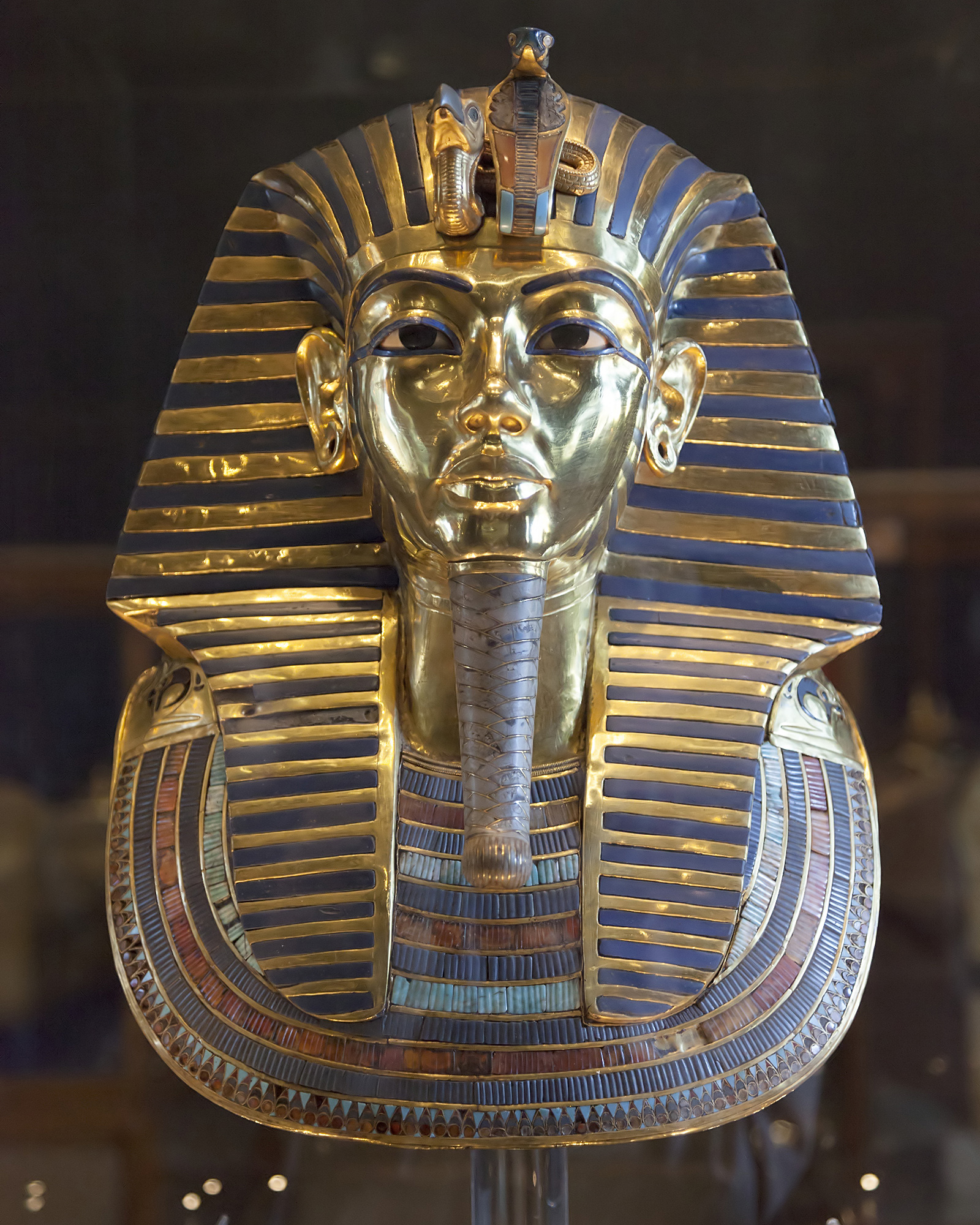
The discovery of Tutankhamun's tomb by Howard Carter in 1922 is one of the most famous archaeological finds in history. The tomb, designated as KV62, was found almost entirely intact, with thousands of artifacts and treasures still in place. The discovery sparked a global fascination with ancient Egyptology, and Tutankhamun's tomb has since become a symbol of the country's rich cultural heritage. The tomb's contents have been extensively studied and documented by scholars, including Zahi Hawass, who has written extensively on the subject.
👑 Cultural Impact
Tutankhamun's legacy extends far beyond his own reign, with his restoration of the traditional Egyptian pantheon and his efforts to promote the cult of Amun at Thebes. His tomb has also had a profound impact on modern culture, with its discovery inspiring countless books, films, and exhibitions. Today, Tutankhamun is remembered as a symbol of ancient Egypt's rich cultural heritage, and his tomb remains one of the most famous and fascinating archaeological sites in the world. The study of his reign and legacy continues to be an active area of research, with scholars such as Kathryn Bard and John Ray contributing to our understanding of this pivotal period in ancient Egyptian history.
Key Facts
- Year
- 1333 BC
- Origin
- Ancient Egypt
- Category
- history
- Type
- person
Frequently Asked Questions
Who was Tutankhamun's father?
What was the significance of Tutankhamun's restoration of the traditional Egyptian pantheon?
Tutankhamun's restoration of the traditional Egyptian pantheon marked a significant shift in the religious and cultural landscape of ancient Egypt. By reinstating the worship of the traditional gods, including Amun, Tutankhamun was able to restore the power and influence of the priestly class and promote a sense of continuity and tradition. This decision was likely influenced by the powerful priests of Amun at Thebes, who had seen their influence and power diminished under Akhenaten's rule.
What was the impact of the discovery of Tutankhamun's tomb?
The discovery of Tutankhamun's tomb by Howard Carter in 1922 had a profound impact on modern culture, inspiring a global fascination with ancient Egyptology. The tomb's contents, including thousands of artifacts and treasures, have been extensively studied and documented by scholars, providing valuable insights into ancient Egyptian culture and funerary practices. The discovery also sparked a renewed interest in the history and culture of ancient Egypt, with many museums and institutions around the world hosting exhibitions and events dedicated to the subject.
What is the current state of research on Tutankhamun's reign and legacy?
The study of Tutankhamun's reign and legacy is an active area of research, with scholars such as Kathryn Bard and John Ray contributing to our understanding of this pivotal period in ancient Egyptian history. Recent studies have focused on the cultural and historical context of Tutankhamun's restoration of the traditional Egyptian pantheon, as well as the significance of his tomb and its contents. The use of new technologies, such as DNA analysis and digital scanning, has also allowed researchers to gain new insights into the life and death of Tutankhamun, including the discovery of his possible cause of death and the identification of his relatives.
How does Tutankhamun's legacy continue to influence modern culture?
Tutankhamun's legacy continues to influence modern culture in many ways, from the inspiration of art and literature to the promotion of cultural exchange and understanding. The discovery of his tomb and the subsequent exhibitions and events dedicated to the subject have sparked a renewed interest in ancient Egyptian culture and history, with many people around the world fascinated by the stories and artifacts of this ancient civilization. The study of Tutankhamun's reign and legacy also provides valuable insights into the cultural and historical context of ancient Egypt, allowing us to better understand the complexities and nuances of this fascinating period in human history.