
Contents
Overview
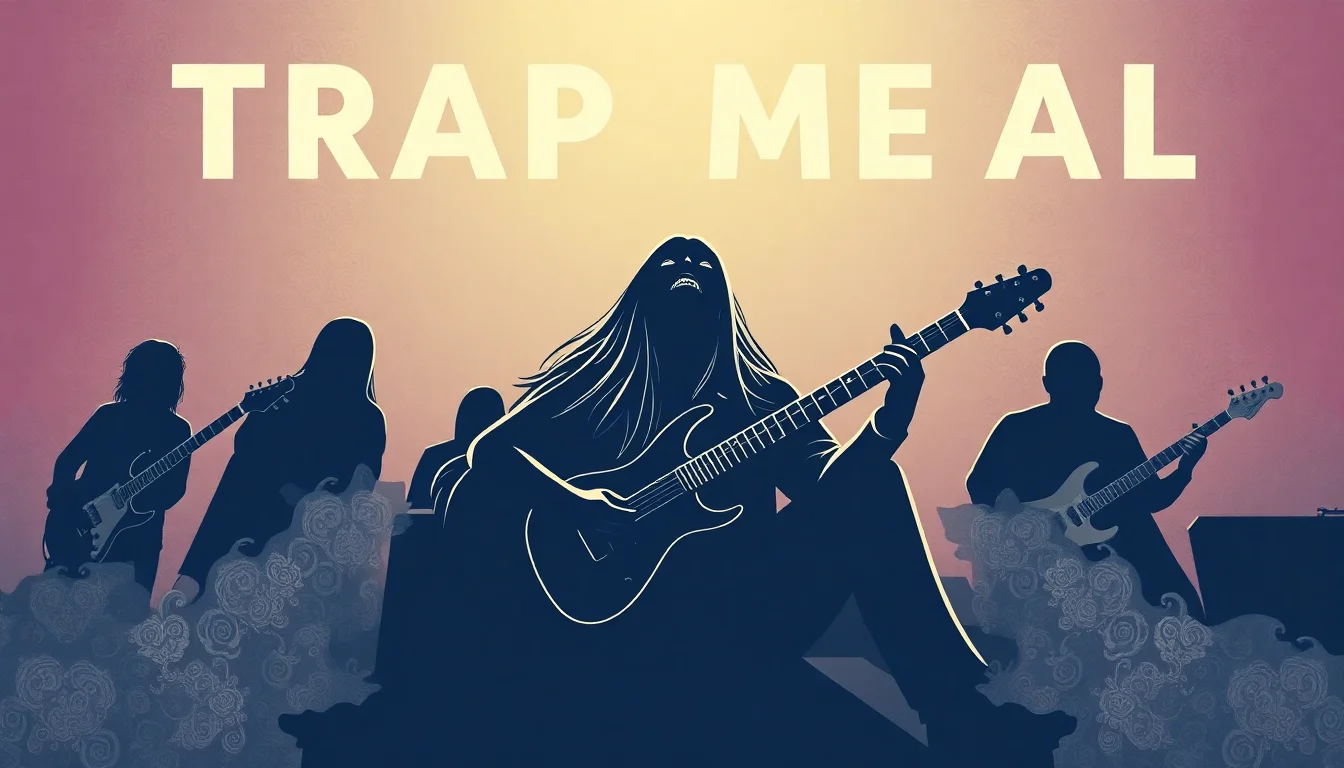
Trap metal is a hybrid music genre that fuses the sonic elements of trap music and hardcore hip-hop with the raw aggression of heavy metal and nu-metal. Artists on platforms like SoundCloud were experimenting with blending the atmospheric, bass-heavy production of trap with the raw energy of nu-metal and hardcore punk. The genre is characterized by its extreme vocalizations—ranging from guttural growls and screams to rapid-fire rap verses—over heavy, distorted guitar riffs, often tuned down to extreme lows, and the signature booming 808 basslines and hi-hat patterns of trap. Artists in this space frequently incorporate elements of industrial music, SoundCloud rap, and even grime, creating a sound that is both abrasive and rhythmically compelling. The genre's aesthetic often mirrors its sonic intensity, featuring dark, often violent lyrical themes and a DIY, anti-establishment ethos. Despite its niche status, trap metal has cultivated a dedicated underground following and influenced a new wave of artists pushing the boundaries of heavy music.
🎵 Origins & History
The genesis of trap metal can be traced back to the mid-2010s, a period where the lines between hip-hop subgenres and aggressive electronic music began to blur significantly. Artists on platforms like SoundCloud were experimenting with blending the atmospheric, bass-heavy production of trap with the raw energy of nu-metal and hardcore punk. The genre truly coalesced with the emergence of artists like Zillakami and SosMula (collectively known as City Morgue), whose 2017 debut EP, $MOKE GANG, is widely considered a foundational release. Their aggressive, often chaotic sound, characterized by distorted guitars, trap beats, and visceral screams, defined the core aesthetic of trap metal and inspired a wave of imitators and collaborators.
⚙️ How It Works
At its core, trap metal is a sonic collision. The rhythmic backbone is typically derived from trap music, featuring characteristic 808 bass drops, rapid-fire hi-hat rolls, and sparse, often dark synth melodies. Layered over this are the sonic hallmarks of heavy metal: heavily distorted guitars, often tuned to drop A or lower, delivering crushing riffs and dissonant chords, and aggressive drumming that can range from blast beats to more conventional metal patterns. Vocally, the genre is defined by its extremity, encompassing harsh screams, guttural growls reminiscent of death metal, and the rapid-fire, often menacing vocal delivery of hardcore hip-hop. Lyrical themes frequently explore nihilism, violence, drug use, and mental anguish, mirroring the intensity of the music.
📊 Key Facts & Numbers
While precise global figures for trap metal are difficult to quantify due to its underground nature, streaming data offers insight into its reach. Tracks by prominent artists like City Morgue and Zillakami have collectively garnered hundreds of millions of streams across platforms like Spotify and YouTube. Many artists operate independently or through smaller, specialized labels, with estimated revenues for successful independent artists in the genre potentially reaching six figures annually through streaming, merchandise, and live performances.
👥 Key People & Organizations
The architects of trap metal are a diverse group of artists and producers who have carved out unique sonic territories. Zillakami and SosMula, as City Morgue, are arguably the genre's most visible proponents, known for their raw, high-energy performances and confrontational aesthetic. Ghostemane is another pivotal figure, whose evolution from underground hip-hop to a metal-infused sound predates much of the genre's formal recognition. Other key artists include BONESS, Scarlxrd (who blends trap with grime and industrial metal), and Camellia, who often incorporates trap metal elements into his electronic music. Production collectives like $uicideboy$'s G*59 Records have also been instrumental in fostering the scene and supporting emerging talent.
🌍 Cultural Impact & Influence
Trap metal's influence extends beyond its immediate sonic boundaries, impacting fashion, online culture, and the broader perception of heavy music. The genre's visual aesthetic, often characterized by dark, gritty imagery, DIY fashion, and a rejection of mainstream norms, has resonated with a generation seeking authenticity and rebellion. Its presence on platforms like TikTok has introduced elements of extreme music to a wider audience, sparking both fascination and controversy. Furthermore, trap metal has demonstrated the potential for cross-genre pollination, encouraging artists in both hip-hop and metal scenes to experiment with each other's sonic palettes, pushing the boundaries of what is considered 'heavy' music and influencing artists in adjacent genres like hyperpop and deathcore.
⚡ Current State & Latest Developments
The ongoing experimentation with electronic music, industrial sounds, and even elements of phonk suggests a continued diversification of the genre's sound. The genre is seeing increased visibility through collaborations between established trap metal artists and musicians from more traditional metal or hip-hop backgrounds. Live performances remain a crucial element, with many artists known for their intense, mosh-pit-inducing shows. Independent labels and online communities are still the primary hubs for discovery and dissemination, though some artists are beginning to gain traction with larger independent labels.
🤔 Controversies & Debates
The fusion of trap and metal is not without its critics and controversies. Some traditional metalheads dismiss the genre as derivative or lacking in musical substance, viewing the trap elements as a dilution of metal's core tenets. Conversely, some hip-hop purists may find the aggressive vocals and lyrical content alienating. Debates often arise regarding the authenticity of artists who blend genres, with accusations of 'selling out' or not being 'true' to either scene. Lyrical content, which frequently delves into dark and violent themes, also draws criticism for potentially glorifying harmful behaviors, leading to discussions about artistic expression versus social responsibility.
🔮 Future Outlook & Predictions
The future of trap metal appears to be one of continued hybridization and potential mainstream crossover, albeit on its own terms. As artists become more adept at blending the disparate elements, we may see more polished productions and broader appeal. Collaborations with artists from established metal bands like Slipknot or Korn, or with mainstream hip-hop producers, could further legitimize the genre. There's also potential for trap metal's influence to permeate into electronic music genres, creating new hybrid forms. The DIY ethos is likely to persist, with artists continuing to leverage online platforms for direct fan engagement and independent distribution, ensuring the genre remains rooted in its underground origins while exploring new sonic frontiers.
💡 Practical Applications
While trap metal is primarily an artistic genre, its sonic and aesthetic components have found applications in various media. Its intense, high-energy sound is well-suited for use in video games, particularly those with themes of action, horror, or dystopian futures, providing a visceral auditory backdrop. Similarly, it can be employed in film and television soundtracks to underscore scenes of violence, chaos, or intense psychological drama. The genre's distinct visual style also lends itself to graphic design, fashion, and digital art, offering a bold and provocative aesthetic that appeals to subcultures seeking to express rebellion and intensity. Furthermore, the production techniques and fusion of electronic and heavy elements can inspire producers in adjacent genres.
Key Facts
- Category
- culture
- Type
- genre