
Contents
Overview
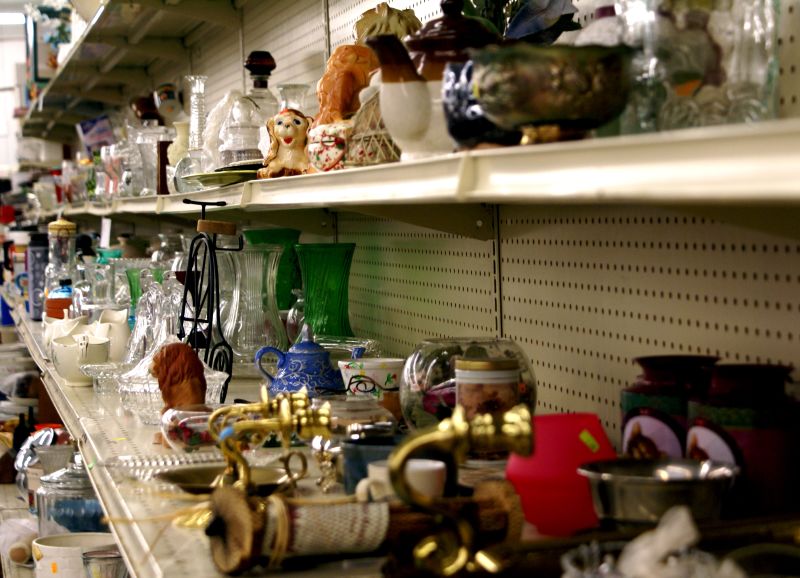
A thrift store, often called a charity shop or second-hand store, is a retail establishment that sells used goods donated by the public to raise funds for a charitable organization or to offer affordable goods. These stores are a cornerstone of sustainable consumption, diverting millions of tons of waste from landfills annually while providing unique and often vintage items at significantly lower prices than new retail. From clothing and furniture to books and collectibles, thrift stores offer a treasure trove for bargain hunters, vintage enthusiasts, and environmentally conscious shoppers alike. The operational model relies heavily on donations and volunteer staff, keeping overhead low and maximizing the portion of revenue that directly supports the store's charitable mission. Globally, thrift stores represent a significant economic and social force, fostering a culture of reuse and conscious consumerism.
🎵 Origins & History
The concept of selling used goods has ancient roots, with markets for second-hand items existing in virtually every civilization. However, the modern thrift store, particularly as a vehicle for charitable fundraising, gained significant traction in the late 19th and early 20th centuries. Over time, other charitable organizations adopted and expanded this model, solidifying the thrift store's place in the retail landscape as both a source of affordable goods and a vital funding stream for social services.
⚙️ How It Works
Thrift stores operate on a simple yet effective model: receiving donated goods from the public, sorting and pricing these items, and then selling them in a retail environment. The process begins with donations, which can range from clothing and household items to furniture and electronics. Volunteers or paid staff then sort through these donations, evaluating their condition and marketability. Items deemed unsellable are often recycled or disposed of responsibly. Usable items are priced, often significantly below retail value, and displayed on the sales floor. The revenue generated, after covering operational costs like rent, utilities, and staff salaries (if any), is directed towards the parent organization's charitable mission, which can include job training, disaster relief, or support for specific communities. Many modern thrift stores also leverage online platforms, such as eBay or their own e-commerce sites, to reach a wider audience and sell higher-value items.
📊 Key Facts & Numbers
Globally, thrift stores divert millions of tons of waste from landfills annually. The secondhand apparel market is growing significantly, with thrift stores capturing a portion of this growth. The average price for a piece of clothing in a thrift store can range from $2 to $15, a stark contrast to the $20-$100+ found in traditional retail.
👥 Key People & Organizations
Key organizations driving the thrift store model include The Salvation Army and Goodwill Industries. The Society of St. Vincent de Paul, a Catholic lay organization, also runs a vast network of thrift stores globally. Beyond these large entities, countless smaller local charities and independent second-hand shops contribute to the ecosystem. Individuals like Marie Kondo, through her popularization of decluttering and mindful consumption, have indirectly influenced the volume of donations and the appreciation for pre-owned items, though her direct involvement with thrift operations is limited.
🌍 Cultural Impact & Influence
Thrift stores have profoundly influenced consumer culture, popularizing the concepts of sustainability, affordability, and unique style. They have become central to the rise of vintage fashion and the broader circular economy movement, encouraging consumers to think beyond fast fashion and disposable goods. For many, thrift stores are not just places to shop but destinations for discovery, offering a tangible connection to the past and a sense of serendipity. The "thrill of the hunt" has become a cultural phenomenon, celebrated in blogs, social media, and even television shows. This cultural resonance has transformed thrift shopping from a necessity for some into a conscious choice and a lifestyle for many, particularly among younger generations like Gen Z and Millennials.
⚡ Current State & Latest Developments
The thrift store sector is experiencing robust growth, driven by increasing environmental awareness and a desire for budget-friendly shopping. Online resale platforms like ThredUp, Poshmark, and Depop are complementing traditional brick-and-mortar stores, expanding the reach of the secondhand market. Many larger thrift organizations are investing in technology to improve inventory management and customer experience, including data analytics to better predict demand and optimize pricing. The COVID-19 pandemic initially disrupted operations but ultimately accelerated the shift towards online resale and highlighted the resilience of the secondhand market. There's also a growing trend of curated vintage boutiques and "upcycled" goods, blurring the lines between traditional thrift and higher-end resale.
🤔 Controversies & Debates
Thrift stores face several ongoing debates. One significant controversy revolves around the ethics of "dumpster diving" or unauthorized scavenging of donation bins, which some view as theft from the charity, while others argue it's a necessary resource for those in need. Another debate concerns the environmental impact of textile waste; while thrift stores divert waste, the sheer volume of donations, often of poor quality, can still overwhelm recycling facilities and contribute to international textile dumping. Furthermore, the increasing professionalization and corporatization of the secondhand market raise questions about whether the original charitable mission is being diluted in favor of profit, particularly with the rise of for-profit resale businesses that mimic the thrift store model.
🔮 Future Outlook & Predictions
The future of thrift stores appears bright, with continued growth projected as sustainability becomes a more dominant consumer concern. Expect further integration of online and offline shopping experiences, with augmented reality try-ons and AI-powered recommendations becoming more common. The rise of "rental" models for clothing and the increasing demand for unique, sustainable fashion will likely benefit thrift and resale markets. We may also see more specialized thrift stores focusing on specific niches, such as high-end designer wear, vintage electronics, or sustainable home goods. The challenge will be to maintain the core charitable mission while adapting to technological advancements and evolving consumer expectations, ensuring that the environmental and social benefits remain paramount.
💡 Practical Applications
Thrift stores serve multiple practical functions. For individuals, they offer an affordable way to acquire clothing, furniture, and household items, significantly reducing personal expenditure. They are crucial for people with limited incomes, providing access to necessities. For environmentally conscious consumers, they offer a sustainable alternative to purchasing new items, reducing waste and the carbon footprint associated with manufacturing and transportation. Thrift stores also provide employment opportunities, both paid and volunteer, and act as vital funding mechanisms for charitable causes, supporting programs related to homelessness, job training, disaster relief, and community services. Furthermore, they are invaluable resources for set designers, costume designers, and collectors seeking specific or vintage items.
Key Facts
- Category
- culture
- Type
- topic