
Contents
Overview
The genesis of The Ronettes traces back to Washington Heights, Manhattan, where Ronnie Spector (born Veronica Bennett), Estelle Bennett, and Nedra Talley began harmonizing as teenagers. Initially known as 'The Darling Sisters,' their early vocal explorations laid the groundwork for a sound that would later captivate the globe. Their professional journey commenced in 1961 when they were signed by Colpix Records, releasing a handful of singles under their original name. The pivotal shift occurred in March 1963 when they inked a deal with Philles Records, the label helmed by the ambitious producer Phil Spector. It was under his direction that they were rebranded as 'The Ronettes,' a name that would soon become synonymous with the era's most electrifying pop music, a transformation that marked their entry into the competitive landscape of 1960s girl groups.
⚙️ How It Works
The Ronettes' signature sound was inextricably linked to Phil Spector's groundbreaking 'Wall of Sound' production technique. This method involved layering multiple instruments, including pianos, guitars, drums, and orchestral arrangements, to create a dense, reverberant, and powerful sonic texture. Spector meticulously orchestrated each session, often using a vast array of musicians, including members of The Wrecking Crew, to achieve his desired effect. Ronnie Spector's distinctive, often pleading, lead vocals cut through this sonic tapestry, conveying a potent mix of youthful yearning and burgeoning sensuality. The arrangements were complex, with dramatic string sections, prominent percussion, and echoing vocals, all designed to create an immersive and emotionally charged listening experience that set them apart from their contemporaries.
📊 Key Facts & Numbers
The Ronettes released approximately 20 singles across various labels. Their most successful single, 'Be My Baby', remains one of the most iconic songs of the 1960s. The group released their sole studio album, 'Presenting the Fabulous Ronettes Featuring Veronica', in 1964, which featured eight of their hit singles. In 1964, The Ronettes toured the United Kingdom, with a then-emerging The Rolling Stones serving as their opening act. By 1966, they were opening for The Beatles on their US tour, a testament to their growing stature in the music industry.
👥 Key People & Organizations
The Ronettes' core members were lead singer Ronnie Spector (born Veronica Bennett), Estelle Bennett, and Nedra Talley. Ronnie Spector, with her distinctive vocal style and stage presence, became the undeniable focal point of the group, her voice carrying the emotional weight of their biggest hits. Estelle Bennett provided crucial vocal harmonies and contributed significantly to the group's sound. Nedra Talley rounded out the trio with her own vocal contributions and visual presence. Beyond the group, Phil Spector was the architect of their sound and career at Philles Records, wielding immense creative control. Later, figures like George Harrison would champion their music, and the Rock and Roll Hall of Fame recognized their legacy in 2007.
🌍 Cultural Impact & Influence
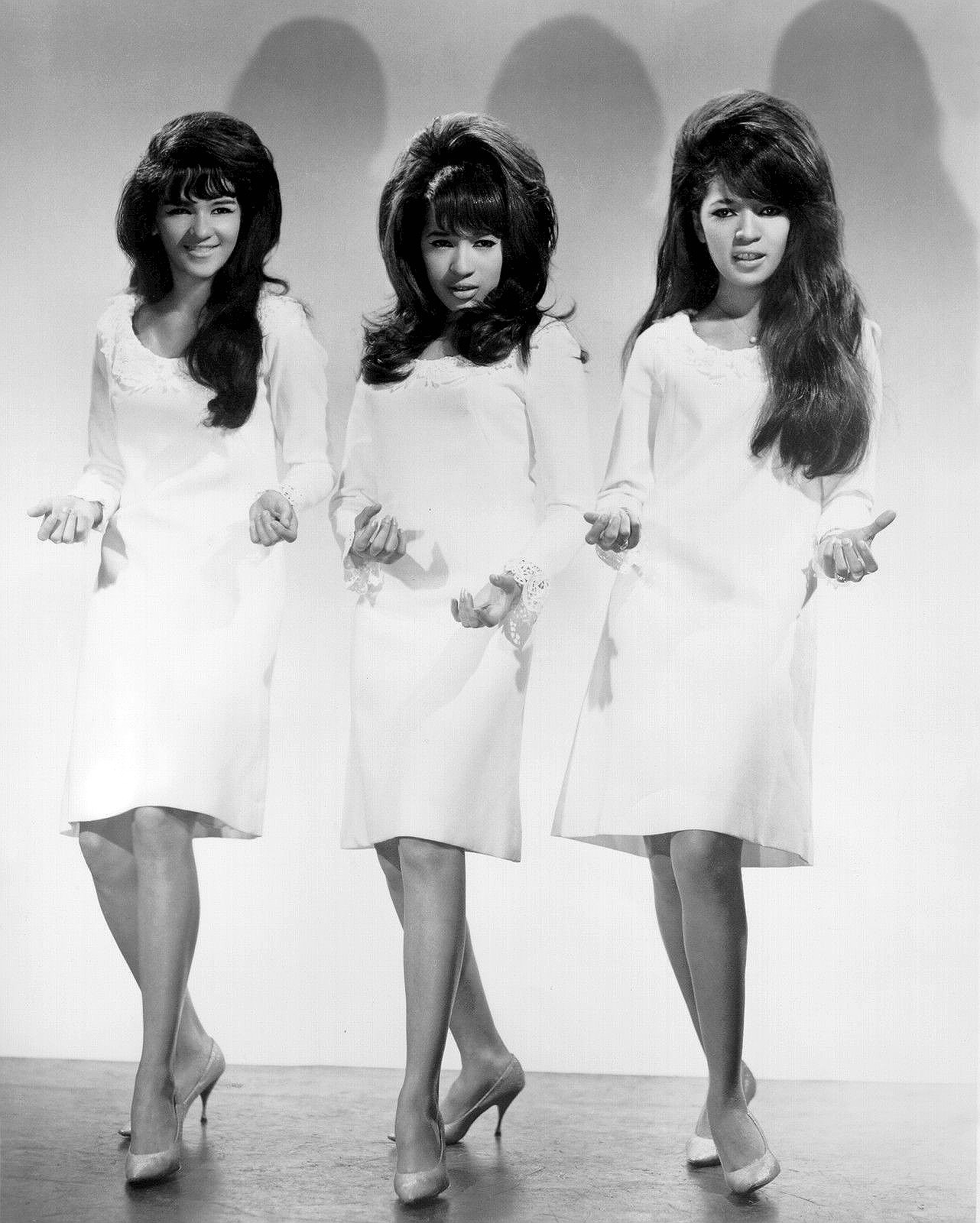
The Ronettes' impact on popular music is immeasurable, particularly their influence on the girl group genre and the broader landscape of pop music. Their hit 'Be My Baby' is frequently cited as one of the greatest songs of all time, a benchmark for production and vocal performance. The group's image, characterized by their beehive hairstyles, dramatic eyeliner, and tight skirts, also set a trend for female performers. Their sound, meticulously crafted by Phil Spector, became a blueprint for subsequent producers and artists seeking to achieve a grand, emotionally resonant pop aesthetic. Bands like The Beach Boys and The Beatles were reportedly influenced by Spector's production techniques, which The Ronettes helped popularize. Their enduring appeal is evident in their induction into the Rock and Roll Hall of Fame in 2007.
⚡ Current State & Latest Developments
As of 2024, the legacy of The Ronettes continues to be celebrated, though the group itself is no longer active. The passing of Ronnie Spector in 2022 and Nedra Talley Ross in 2023 marked the end of an era, with Talley being the last surviving member. However, their music remains a staple on classic rock and oldies radio stations, and their songs are frequently featured in films, television shows, and commercials, introducing their sound to new generations. Reissues of their work and retrospectives on their career continue to emerge, ensuring their story and music remain accessible. Discussions often resurface regarding the legacy of Phil Spector and his complex relationship with the artists on his label, including The Ronettes.
🤔 Controversies & Debates
The most significant controversy surrounding The Ronettes centers on their relationship with producer Phil Spector. Ronnie Spector detailed her experiences in her memoir 'Be My Baby', describing a tumultuous and abusive marriage to Spector, alleging he kept the group isolated, controlled their finances, and exerted significant power over their careers, effectively trapping them. This narrative has led to ongoing debates about the exploitation of artists within the music industry, particularly female artists working with powerful male producers during the 1960s. The 'Wall of Sound' itself, while musically brilliant, was a product of Spector's often ruthless and demanding methods, raising ethical questions about artistic creation versus personal well-being. The extent of Spector's control and the psychological impact on the group members remains a point of discussion among music historians and fans.
🔮 Future Outlook & Predictions
The future of The Ronettes' legacy lies in the continued appreciation and reinterpretation of their music. While the original members are no longer performing, their songs serve as a foundational element of the pop music canon. Future developments may include further archival releases, academic studies exploring their cultural significance, and new artistic tributes. The enduring power of 'Be My Baby' suggests it will continue to be a touchstone for discussions on production, vocal performance, and the emotional core of pop music. The ongoing examination of Phil Spector's legacy will also inevitably continue to intersect with The Ronettes' story, offering new perspectives on their contributions and the context in which they created their iconic sound. There's also potential for deeper dives into the individual contributions of Estelle Bennett and Nedra Talley, whose voices were integral to the group's success.
💡 Practical Applications
The Ronettes' music has found widespread application beyond the concert stage and radio waves. Their iconic tracks, particularly 'Be My Baby', have been extensively used in film soundtracks, commercials, and television shows, often to evoke a specific era or emotional tone. For instance, 'Be My Baby' was famously featured in Martin Scorsese's 1973 film 'Mean Streets', underscoring its cinematic power. Their songs are also sampled by contemporary artists, demonstrating their continued relevance in music production. Furthermore, their visual style has influenced fashion and aesthetics, with their signature look being referenced in modern media. The group's story also serves as a case study in music business history, illustrating the dynamics between artists, producers, and record labels in the 1960s, particularly concerning the role of Phil Spector and Philles Records.
Key Facts
- Category
- culture
- Type
- topic