
Contents
Overview
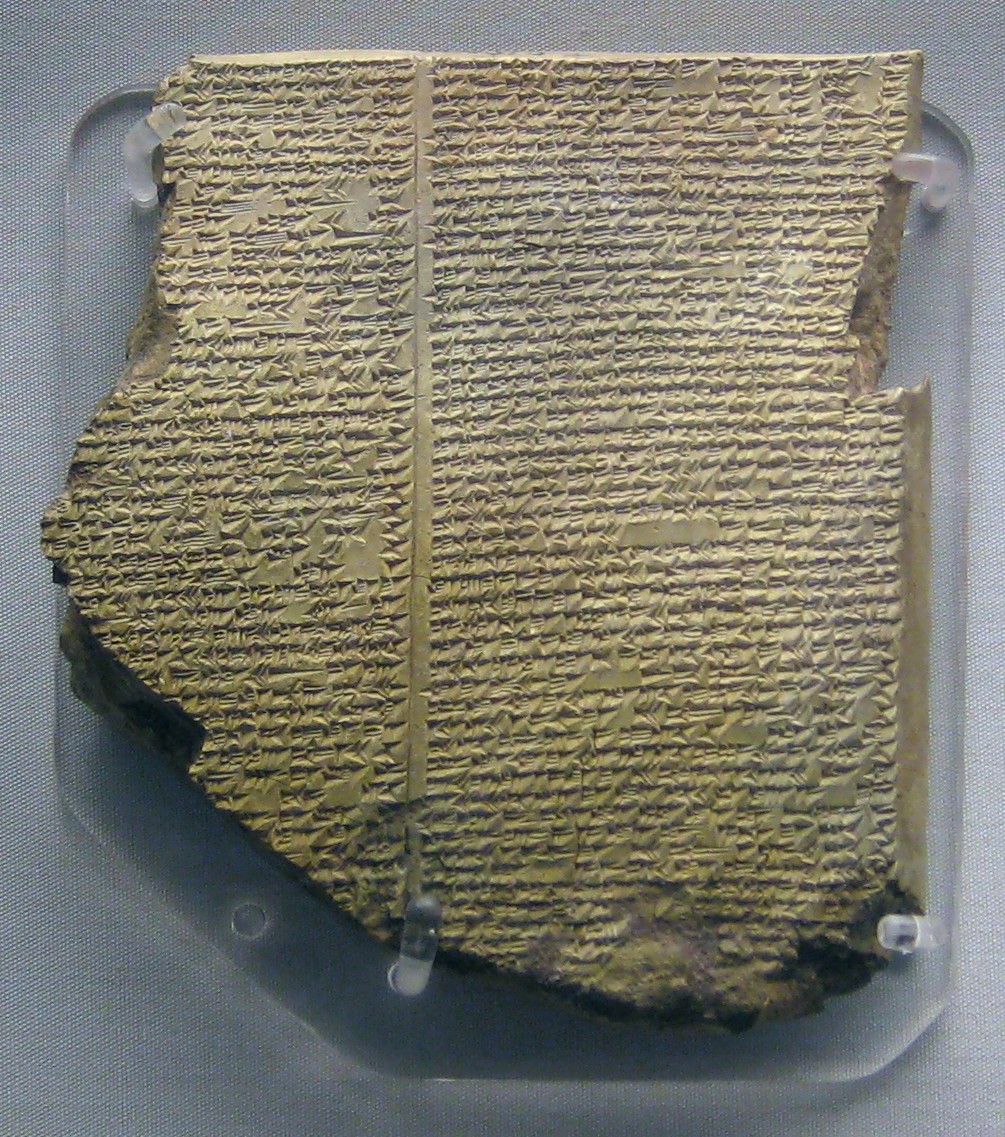
The literary journey of the Epic of Gilgamesh begins with five distinct Sumerian poems featuring King Gilgamesh of Uruk, with some dating as far back as the Third Dynasty of Ur around 2100 BCE. These independent narratives served as the bedrock for a more unified epic composed in Akkadian. The earliest surviving composite version, known as the "Old Babylonian" recension, emerged in the 18th century BCE and bore the title "Shūtur eli sharrī" ("Surpassing All Other Kings"). While only fragments of this version remain, the most comprehensive and widely recognized form is the "Standard Babylonian" version. This later compilation, attributed to the scribe Sîn-lēqi-unninni, dates between the 13th and 10th centuries BCE and is identified by its opening line, "Sha naqba īmuru" ("He Who Saw the Deep(s)"). Approximately two-thirds of this 12-tablet version have been recovered, with significant portions discovered in the ruins of Ashurbanipal's library at Nineveh.
⚙️ How It Works
The Epic of Gilgamesh is structured as a narrative poem, primarily in Akkadian, detailing the life and quests of its titular hero. The epic unfolds through a series of episodes, beginning with Gilgamesh's tyrannical rule in Uruk and the gods' creation of Enkidu to challenge him. Their initial combat gives way to a profound friendship, forming the emotional core of the narrative. Together, they embark on heroic journeys, most notably their expedition to the Cedar Forest to defeat the monstrous Humbaba. Following Enkidu's divinely ordained death, Gilgamesh is consumed by grief and the fear of his own mortality, initiating his quest for immortality. This quest leads him to Utnapishtim, the sole survivor of the Great Flood, who imparts wisdom about the ephemeral nature of human life and the acceptance of death. The epic concludes with Gilgamesh's return to Uruk, where he finds solace in the enduring achievements of civilization.
📊 Key Facts & Numbers
The Epic of Gilgamesh boasts a Vibe Score of 92, reflecting its immense historical and cultural significance. The earliest Sumerian poems about Gilgamesh date back to approximately 2100 BCE, making them over 4,000 years old. The "Old Babylonian" version of the epic is dated to the 18th century BCE. The "Standard Babylonian" version, compiled by Sîn-lēqi-unninni, is estimated to be from between the 13th and 10th centuries BCE. Over 12,000 cuneiform fragments have been recovered from the epic, with around two-thirds of the 12-tablet "Standard Babylonian" version being extant. The epic was written in Akkadian, a Semitic language spoken in ancient Mesopotamia. The city of Uruk, Gilgamesh's capital, was a major Sumerian city with a population estimated to have reached 80,000 inhabitants at its peak.
👥 Key People & Organizations
The central figure is King Gilgamesh, the semi-divine ruler of Uruk, renowned for his strength and wisdom, though initially arrogant. His closest companion and foil is Enkidu, a wild man created by the gods to temper Gilgamesh's excesses, who becomes his loyal friend. The scribe Sîn-lēqi-unninni is credited with compiling the "Standard Babylonian" version of the epic, a monumental scholarly achievement. Other significant figures include Shamash, the sun god and protector of Gilgamesh; Ishtar, the goddess of love and war, whom Gilgamesh spurns; and Utnapishtim, the immortal man who survived the Great Flood and offers Gilgamesh crucial insights into mortality. The gods play active roles, influencing events and testing the protagonists.
🌍 Cultural Impact & Influence
The Epic of Gilgamesh holds a foundational place in world literature, influencing subsequent epics and narratives for millennia. Its themes of the heroic journey, the struggle against fate, and the search for meaning resonate deeply within Western and Eastern literary traditions. The story of the Great Flood, as told by Utnapishtim, bears striking resemblances to the biblical account in the Book of Genesis, suggesting a shared cultural heritage or direct influence. The epic's exploration of friendship, loss, and the human confrontation with mortality has inspired countless writers, artists, and thinkers, from Homer and Virgil to modern authors grappling with existential questions. Its discovery and translation in the 19th century by scholars like George Smith dramatically reshaped our understanding of ancient Near Eastern civilizations and the origins of storytelling.
⚡ Current State & Latest Developments
The Epic of Gilgamesh continues to be studied, translated, and adapted globally. New scholarly editions and translations are periodically released, offering fresh interpretations of the cuneiform texts. Its narrative has been reimagined in various media, including novels, plays, and graphic novels, demonstrating its enduring appeal. Academic conferences and symposia dedicated to Mesopotamian literature frequently feature discussions on Gilgamesh, exploring its linguistic, historical, and philosophical dimensions. The ongoing excavation and analysis of cuneiform tablets from sites like Mari and Ebla may yet yield further insights or even new fragments of the epic, potentially altering our understanding of its transmission and evolution.
🤔 Controversies & Debates
A significant debate surrounds the precise relationship between the flood narrative in the Epic of Gilgamesh and the biblical account in the Book of Genesis. Scholars like George Smith, who first translated key flood passages in 1872, noted the striking similarities, leading to discussions about possible borrowing or a common ancestral source. Another area of contention involves the dating and authorship of the "Standard Babylonian" version, with ongoing scholarly work refining the timelines and understanding the role of scribes like Sîn-lēqi-unninni. Furthermore, interpretations of Gilgamesh's character—whether he is primarily a tragic hero, a flawed ruler, or a symbol of burgeoning civilization—remain subjects of academic discourse.
🔮 Future Outlook & Predictions
The future of the Epic of Gilgamesh lies in its continued relevance as a touchstone for understanding the human condition. As archaeological discoveries in Mesopotamia continue, there's a possibility of unearthing more tablets that could fill gaps in the existing narrative or reveal earlier versions. Advances in digital humanities and AI may offer new methods for analyzing the cuneiform texts, potentially uncovering linguistic patterns or textual connections previously missed. The epic's themes of mortality, friendship, and the search for meaning are timeless, ensuring its place in educational curricula and popular culture for generations to come, likely inspiring new artistic and literary adaptations that speak to contemporary audiences.
💡 Practical Applications
While not a practical guide in the modern sense, the Epic of Gilgamesh offers profound insights into ancient Mesopotamian society, governance, and religious beliefs. Its depiction of Uruk as a fortified city with impressive infrastructure, including its walls and temples, provides valuable data for archaeologists and historians studying urban development in the ancient Near East. The epic's exploration of human relationships, particularly the bond between Gilgamesh and Enkidu, serves as a timeless case study in friendship, loyalty, and grief. Furthermore, its narrative structure and thematic depth are studied in literature and comparative mythology courses worldwide, offering a foundational text for understanding narrative archetypes and the evolution of storytelling.
Key Facts
- Category
- culture
- Type
- topic