
Contents
- 🎵 Origins & History
- ⚙️ How It Works
- 📊 Key Facts & Numbers
- 👥 Key People & Organizations
- 🌍 Cultural Impact & Influence
- ⚡ Current State & Latest Developments
- 🤔 Controversies & Debates
- 🔮 Future Outlook & Predictions
- 💡 Practical Applications
- 📚 Related Topics & Deeper Reading
- Frequently Asked Questions
- References
- Related Topics
Overview
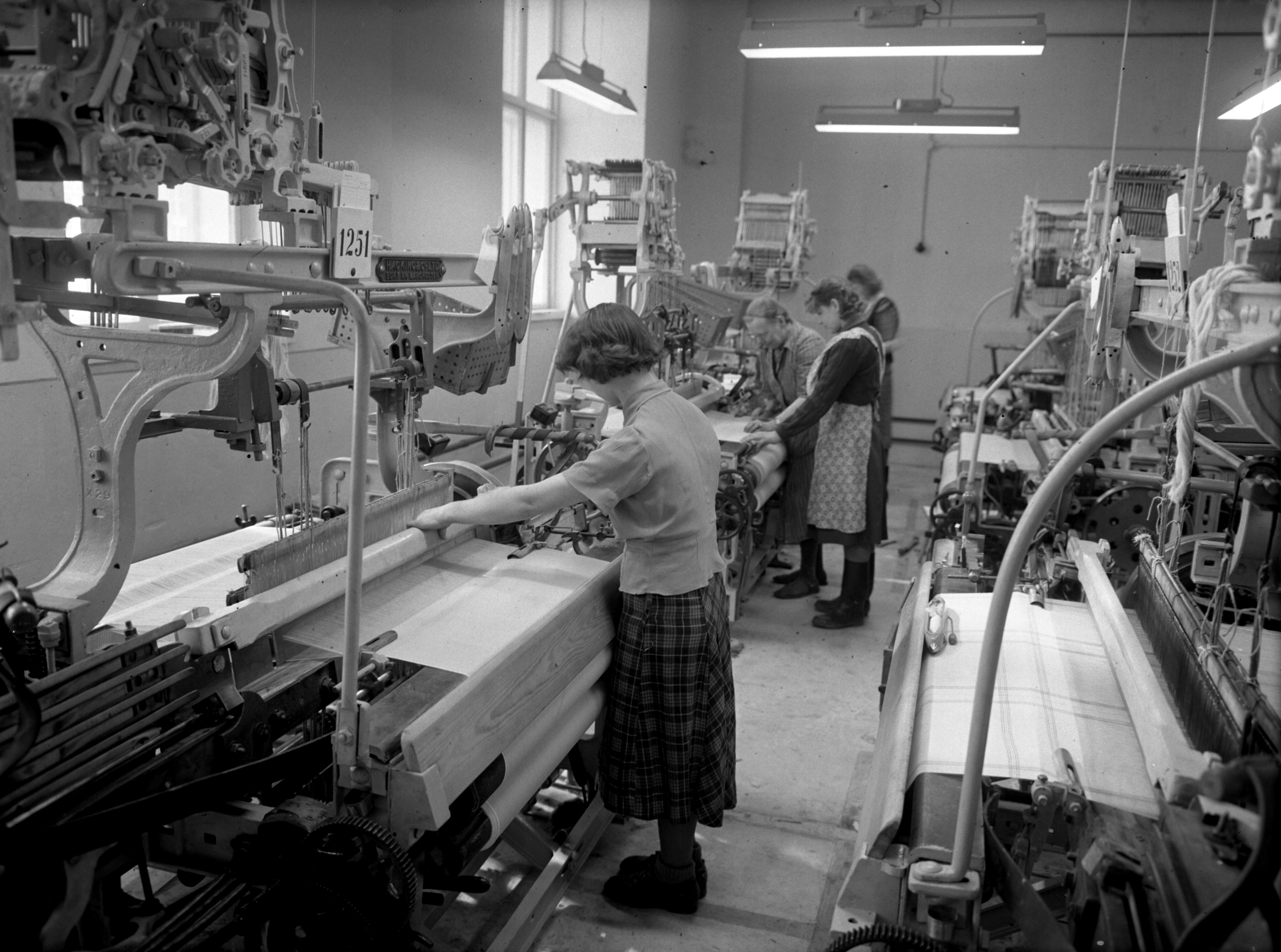
The genesis of textile production can be traced back to the Neolithic era, with evidence of spun fibers and woven cloth dating as far back as 10,000 BCE in regions like the Fertile Crescent and ancient Egypt. Early methods involved manual spinning using drop spindles and weaving on simple backstrap looms. The invention of the spinning wheel in India around 500 CE significantly increased yarn production efficiency, while advancements like the flying shuttle, attributed to John Kay in 1733, revolutionized weaving speeds. The Industrial Revolution, beginning in the late 18th century, marked a seismic shift with the development of mechanized spinning (e.g., James Hargreaves's spinning jenny, Richard Arkwright's water frame, and Samuel Crompton's spinning mule) and power looms, transforming textile manufacturing from cottage industries into large-scale factory systems, notably in Manchester, England, the epicenter of the British textile boom.
⚙️ How It Works
At its core, textile production begins with fiber selection, whether natural (like cotton, wool, silk) or synthetic (such as polyester, nylon, rayon). These fibers are cleaned, carded, and combed to align them before being twisted into yarn through the spinning process. This yarn then undergoes fabric formation, primarily through weaving (interlacing warp and weft threads on a loom) or knitting (interlooping yarns). Post-formation, fabrics are often scoured and bleached to remove impurities. Dyeing and printing introduce color and patterns, utilizing a vast array of dyes and printing techniques. Finally, finishing processes like calendering, sanforizing, or applying chemical treatments impart desired properties such as softness, water repellency, or flame resistance, preparing the fabric for its end use.
📊 Key Facts & Numbers
The global textile market is a colossal enterprise, valued at approximately $1 trillion USD annually. Cotton remains the most significant natural fiber, accounting for roughly 90% of all natural fibers used, with global production exceeding 25 million metric tons in recent years. Synthetic fibers, particularly polyester, now dominate the overall market, making up over 60% of fiber consumption worldwide. The apparel sector is the largest end-user, consuming over 50% of all textiles produced. Fast fashion, a model driven by rapid production cycles and low costs, has led to an estimated 80 billion garments being produced globally each year, a figure that has grown exponentially since the year 2000.
👥 Key People & Organizations
Key figures in textile production's history include inventors like James Hargreaves, whose spinning jenny (c. 1764) dramatically increased spinning capacity, and Eli Whitney, whose cotton gin (1793) revolutionized cotton processing, though it tragically amplified the demand for enslaved labor in the American South. Modern giants like Inditex (parent company of Zara), H&M, and Nike are major players in the finished goods market, driving demand for vast quantities of textiles. Organizations such as the World Trade Organization (WTO) and the International Labour Organization (ILO) play roles in regulating global trade and labor standards within the industry, while bodies like the Textile Institute promote research and professional standards.
🌍 Cultural Impact & Influence
Textile production has profoundly shaped human civilization, from providing basic necessities like clothing and shelter to enabling complex societal structures and economic development. The availability of affordable textiles, particularly after the Industrial Revolution, democratized fashion and influenced cultural expression across the globe. The industry's global reach has fostered international trade and interconnectedness, but also led to significant environmental impacts and ethical debates surrounding labor practices. Innovations in textiles have also extended beyond apparel, finding critical applications in sectors like medicine (medical textiles), aerospace, and construction, demonstrating their pervasive influence on modern life.
⚡ Current State & Latest Developments
The contemporary textile industry is characterized by rapid technological integration and a growing focus on sustainability. Automation, including robotic weaving and AI-driven quality control, is increasingly prevalent, aiming to boost efficiency and reduce labor costs. Digital printing technologies are gaining traction for their ability to create intricate designs with less water and waste compared to traditional dyeing methods. Furthermore, there's a significant push towards circular economy models, with companies investing in textile recycling technologies and developing biodegradable or recycled fiber alternatives. The rise of e-commerce has also reshaped distribution channels, with online retailers like Shein and Amazon becoming major forces in textile sales, further accelerating production cycles.
🤔 Controversies & Debates
The textile industry is fraught with controversy, most notably concerning its environmental footprint and labor conditions. Historically, and often still today, textile factories have been associated with significant water pollution from dyeing and finishing processes, high energy consumption, and substantial greenhouse gas emissions. The rise of fast fashion has exacerbated these issues, leading to massive amounts of textile waste, with estimates suggesting that over 85% of textiles end up in landfills annually. Ethical concerns also persist regarding low wages, poor working conditions, and child labor in some manufacturing regions, as tragically highlighted by the 2013 Rana Plaza collapse in Bangladesh, which killed over 1,100 garment workers.
🔮 Future Outlook & Predictions
The future of textile production is poised for significant transformation, driven by demands for greater sustainability and technological innovation. Expect to see a surge in bio-based and recycled materials, with advancements in areas like lab-grown cotton and fibers derived from food waste. 3D printing of textiles, while still nascent, could revolutionize on-demand manufacturing and customization. The integration of smart textiles, embedded with sensors and electronic components, will likely expand beyond niche applications into mainstream apparel and technical textiles. Furthermore, increased regulatory pressure and consumer awareness will likely push brands towards greater transparency in their supply chains and more robust ethical and environmental practices, potentially leading to a slowdown in the relentless pace of fast fashion.
💡 Practical Applications
Textile production underpins a vast array of practical applications that permeate daily life. The most obvious is apparel and fashion, from everyday clothing to high-performance sportswear. Beyond clothing, textiles are crucial in home furnishings like curtains, upholstery, and bedding. In the industrial sector, textiles are used for geotextiles in civil engineering, filtration media, protective clothing for firefighters and industrial workers, and reinforcement in composite materials. The medical field utilizes specialized textiles for wound dressings, surgical gowns, prosthetics, and even artificial organs. Aerospace and automotive industries rely on advanced textiles for lightweight components, insulation, and safety features.
Key Facts
- Year
- Neolithic era (c. 10,000 BCE) - Present
- Origin
- Global
- Category
- technology
- Type
- concept
Frequently Asked Questions
What are the main stages of textile production?
The primary stages involve fiber preparation (cleaning, carding), spinning yarn from fibers, fabric formation (weaving or knitting), dyeing and printing for color and pattern, and finishing processes to impart specific properties. Each stage requires specialized machinery and expertise, from ancient hand looms to modern automated systems like rapier looms and advanced dyeing vats.
Why is textile production considered an environmental concern?
Textile production is a major polluter due to extensive water usage in dyeing and finishing, chemical runoff, high energy consumption for machinery, and significant greenhouse gas emissions. The fast fashion model exacerbates this by encouraging overproduction and rapid disposal, leading to an estimated 85% of textiles ending up in landfills annually, according to the UN Environment Programme.
How has technology changed textile production over time?
Technology has transformed textile production from manual labor to industrial automation. Innovations like the spinning jenny (c. 1764), the power loom (1785), and the cotton gin (1793) mechanized key processes during the Industrial Revolution. Today, advancements include robotic automation, digital printing, and the development of smart textiles with embedded electronics, as seen in innovations from companies like Google ATAP.
What are the most common types of fibers used in textile production?
The most common fibers are natural and synthetic. Among natural fibers, cotton is dominant, followed by wool and silk. Synthetic fibers, which now constitute the majority of global fiber consumption, include polyester, nylon, acrylic, and rayon (a semi-synthetic fiber). Each fiber type offers distinct properties influencing the final fabric's feel, durability, and performance.
What ethical issues are associated with textile production?
Significant ethical issues include low wages, long working hours, unsafe working conditions, and child labor, particularly in garment factories in developing nations. The 2013 Rana Plaza collapse in Bangladesh, which killed over 1,100 garment workers, starkly highlighted these dangers. Consumer demand for cheap clothing, driven by fast fashion brands like Shein, often perpetuates these exploitative practices.
How can consumers make more sustainable choices regarding textiles?
Consumers can opt for clothing made from sustainable materials like organic cotton, linen, or recycled fibers. Buying less, choosing durable, high-quality items, and supporting brands with transparent and ethical supply chains are crucial. Repairing clothes, buying secondhand from platforms like ThredUp, and properly recycling textiles at the end of their life also contribute significantly to reducing the environmental impact.
What are 'smart textiles' and how are they used?
Smart textiles are fabrics engineered with integrated technology, such as sensors, conductive threads, or microchips, to perform specific functions. Applications range from health monitoring (e.g., tracking heart rate with Fitbit-like sensors woven into clothing) to performance enhancement in sportswear (e.g., temperature regulation) and interactive elements in fashion. Companies like Google ATAP have explored smart textile integration with their Project Jacquard.