
Contents
Overview
The history of synthesizers dates back to the mid-20th century, with instruments like the RCA Mark II, developed by Harold Bode and Harry Olson, which used hundreds of vacuum tubes and was controlled with punch cards. However, it was the Moog synthesizer, developed by Robert Moog and first sold in 1964, that revolutionized the music industry. The Moog synthesizer was widely adopted by artists like The Beatles, Pink Floyd, and Kraftwerk, who used it to create innovative and iconic sounds. Other companies, such as Roland and Korg, also played a significant role in shaping the synthesizer market, with their products being used by artists like Daft Punk and Lady Gaga.
⚙️ How It Works
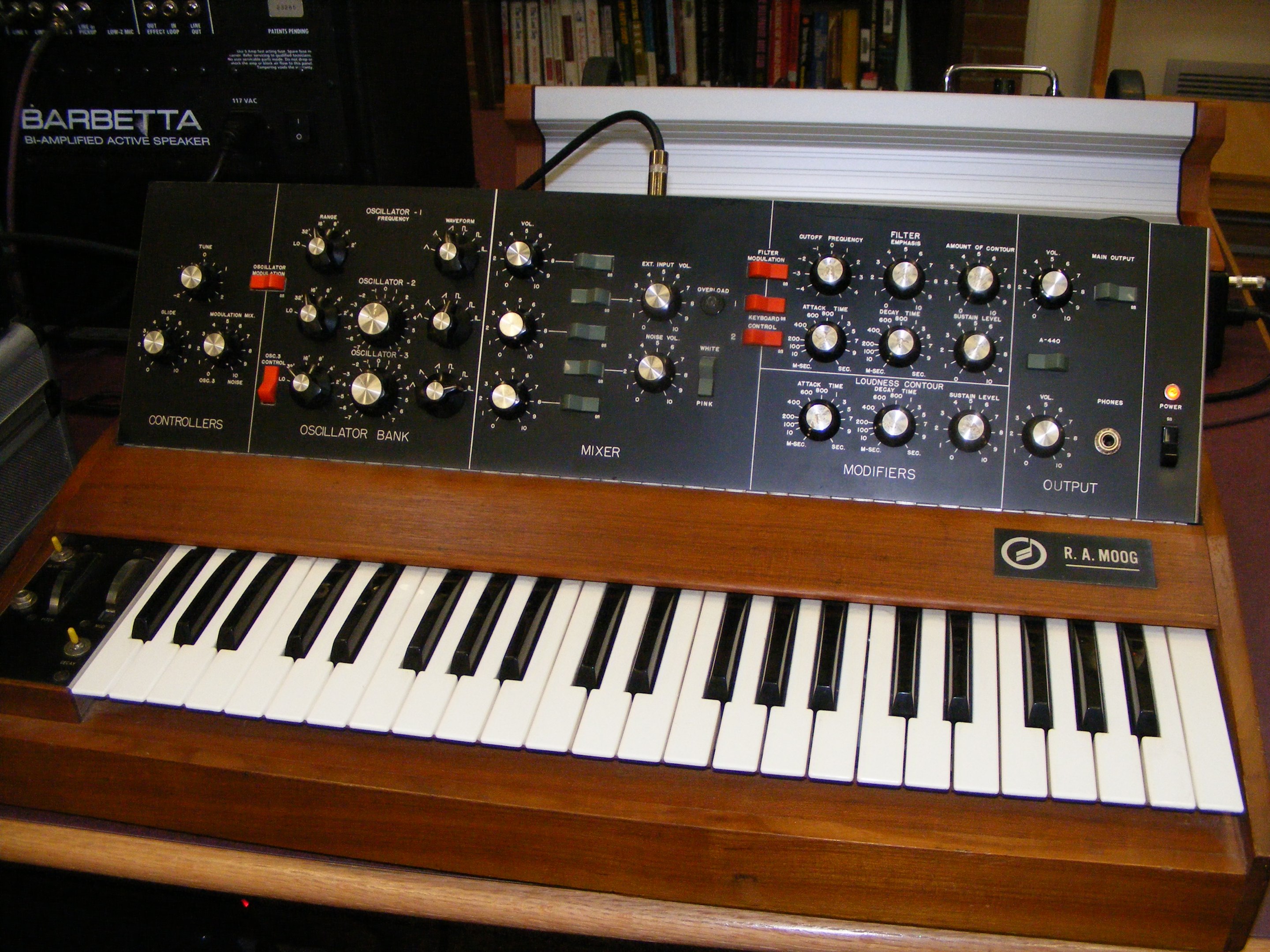
Synthesizers work by generating waveforms through various methods, including subtractive synthesis, additive synthesis, and frequency modulation synthesis. These sounds can be altered by components such as filters, which cut or boost frequencies; envelopes, which control articulation, or how notes begin and end; and low-frequency oscillators, which modulate parameters such as pitch, volume, or filter characteristics affecting timbre. For example, the Minimoog, a classic synthesizer developed by Moog Music, uses a combination of oscillators, filters, and amplifiers to create its distinctive sound. Modern synthesizers, such as those produced by Arturia and Native Instruments, often include software components and can be controlled by sequencers, software or other instruments, and can be synchronized to other equipment via MIDI.
🌍 Cultural Impact
Synthesizers have had a profound impact on the music industry, enabling artists to create new and innovative sounds that were previously impossible to produce. The use of synthesizers has been particularly prominent in electronic and pop music, with artists like Jean-Michel Jarre and Giorgio Moroder using them to create iconic sounds. However, synthesizers have also been used in other genres, such as rock and hip-hop, with artists like Kanye West and Radiohead incorporating them into their music. The cultural impact of synthesizers can also be seen in their influence on film and television soundtracks, with composers like Hans Zimmer and John Williams using them to create memorable scores.
🔮 Legacy & Future
Today, synthesizers continue to evolve, with new technologies and innovations being developed all the time. The rise of software synthesizers, such as those produced by Ableton and Logic Pro, has made it possible for artists to create high-quality sounds without the need for expensive hardware. Additionally, the development of modular synthesizers, such as those produced by Eurorack and Modular Synth, has enabled artists to create custom synthesizers tailored to their specific needs. As the music industry continues to evolve, it will be exciting to see how synthesizers continue to shape the sound of music in the future, with companies like Moog Music and Roland continuing to push the boundaries of sound creation.
Key Facts
- Year
- 1964
- Origin
- United States
- Category
- technology
- Type
- technology
Frequently Asked Questions
What is a synthesizer?
A synthesizer is an electronic musical instrument that generates audio signals, creating a wide range of sounds through various methods, including subtractive synthesis, additive synthesis, and frequency modulation synthesis. For example, the Moog Music company produces a range of synthesizers, including the Minimoog, which is a classic analog synthesizer. Synthesizers can be used in a variety of musical genres, from electronic and pop to rock and hip-hop, and are often used by artists such as Daft Punk and Kanye West.
How do synthesizers work?
Synthesizers work by generating waveforms through various methods, including subtractive synthesis, additive synthesis, and frequency modulation synthesis. These sounds can be altered by components such as filters, which cut or boost frequencies; envelopes, which control articulation, or how notes begin and end; and low-frequency oscillators, which modulate parameters such as pitch, volume, or filter characteristics affecting timbre. For example, the Roland Jupiter-8 synthesizer uses a combination of oscillators, filters, and amplifiers to create its distinctive sound. Synthesizers can be controlled by sequencers, software or other instruments, and can be synchronized to other equipment via MIDI.
What is the cultural impact of synthesizers?
Synthesizers have had a profound impact on the music industry, enabling artists to create new and innovative sounds that were previously impossible to produce. The use of synthesizers has been particularly prominent in electronic and pop music, with artists like Jean-Michel Jarre and Giorgio Moroder using them to create iconic sounds. However, synthesizers have also been used in other genres, such as rock and hip-hop, with artists like Kanye West and Radiohead incorporating them into their music. The cultural impact of synthesizers can also be seen in their influence on film and television soundtracks, with composers like Hans Zimmer and John Williams using them to create memorable scores.
What is the future of synthesizers?
The future of synthesizers is exciting, with new technologies and innovations being developed all the time. The rise of software synthesizers, such as those produced by Ableton and Logic Pro, has made it possible for artists to create high-quality sounds without the need for expensive hardware. Additionally, the development of modular synthesizers, such as those produced by Eurorack and Modular Synth, has enabled artists to create custom synthesizers tailored to their specific needs. As the music industry continues to evolve, it will be exciting to see how synthesizers continue to shape the sound of music in the future, with companies like Moog Music and Roland continuing to push the boundaries of sound creation.
How have synthesizers influenced other genres of music?
Synthesizers have had a significant influence on a wide range of musical genres, from electronic and pop to rock and hip-hop. For example, the use of synthesizers in electronic music has enabled artists like Daft Punk and Justice to create distinctive and innovative sounds. In rock music, synthesizers have been used by artists like Radiohead and Arcade Fire to add depth and texture to their sound. In hip-hop, synthesizers have been used by artists like Kanye West and Drake to create atmospheric and introspective soundscapes. The influence of synthesizers can also be seen in film and television soundtracks, with composers like Hans Zimmer and John Williams using them to create memorable scores.