
Contents
- 🧺 What Exactly Are Sustainable Fabric Softeners?
- 🌿 The Environmental Impact: Beyond the Scent
- 🔬 How Do They Work? The Science of Softness
- 💰 Pricing & Value: Is It Worth the Investment?
- ⭐ What People Say: Real-World Vibe Scores
- ⚖️ Comparing Options: Liquid, Sheets, and DIY
- 💡 Pro-Tips for an Eco-Friendly Laundry Routine
- 🌍 Where to Find Them: Your Sustainable Shopping Guide
- Frequently Asked Questions
- Related Topics
Overview
Sustainable fabric softeners offer a greener alternative to conventional chemical-laden products, aiming to reduce environmental impact without sacrificing fabric softness. These options often utilize plant-derived ingredients, biodegradable formulas, and concentrated packaging to minimize waste and water usage. Key considerations include ingredient transparency, biodegradability certifications, and the absence of harsh chemicals like phosphates, synthetic fragrances, and dyes. While traditional softeners rely on quaternary ammonium compounds (quats) that can persist in waterways, sustainable versions prioritize natural emollients and essential oils. The market is evolving, with brands increasingly focusing on refillable systems and plastic-free packaging, pushing the Vibe Score for eco-conscious laundry care higher.
🧺 What Exactly Are Sustainable Fabric Softeners?
Sustainable fabric softeners are a direct response to the environmental and health concerns surrounding conventional laundry additives. Unlike their predecessors, which often relied on synthetic chemicals like quaternary ammonium compounds (quats) and artificial fragrances, eco-conscious versions prioritize Plant-Derived Ingredients, Biodegradable Formulas, and Minimalist Packaging. They aim to achieve that coveted softness and reduce static cling without introducing harsh chemicals into your water systems or onto your skin. For the Conscious Consumer looking to green their entire household, this is a crucial step beyond just sorting recyclables.
🌿 The Environmental Impact: Beyond the Scent
The environmental footprint of traditional fabric softeners is substantial. Many contain Phosphate-Free Detergents that contribute to eutrophication in waterways, and their synthetic fragrances can release volatile organic compounds (VOCs) into the air. Furthermore, the plastic jugs they come in represent a significant waste stream. Sustainable alternatives, by contrast, often feature Compostable Packaging, Concentrated Formulas that reduce shipping emissions, and ingredients that break down harmlessly after use. This shift is part of a broader movement towards Circular Economy Principles in consumer goods.
🔬 How Do They Work? The Science of Softness
The magic behind sustainable fabric softeners lies in their ingredients. Instead of harsh quats, many utilize Cationic Surfactants derived from sources like coconut oil or rapeseed oil. These molecules have a positive charge that adheres to negatively charged fabric fibers, smoothing them and reducing friction. Others employ Natural Acids like citric acid to neutralize alkaline detergent residue, which can make fabrics feel stiff. Some even incorporate Essential Oils for natural scenting and antimicrobial properties, offering a subtle fragrance that doesn't linger aggressively.
💰 Pricing & Value: Is It Worth the Investment?
While the upfront cost of sustainable fabric softeners might appear higher per ounce than conventional brands, the long-term value proposition is compelling. Many eco-friendly options are Concentrated Formulas, meaning a little goes a long way, stretching the product further. When you factor in the reduced environmental impact and the avoidance of potentially irritating chemicals, the 'price' becomes more about Holistic Value than just the sticker shock. Brands like Dropps and Seventh Generation often offer subscription models that can further reduce per-unit costs.
⭐ What People Say: Real-World Vibe Scores
Consumer sentiment around sustainable fabric softeners is generally positive, with many reporting satisfaction with performance and a clear conscience. Vibe scores typically range from 70-85, reflecting a strong appreciation for their eco-credentials and effectiveness. Users often praise the subtle, natural scents and the fact that they don't leave residue on clothes. However, some Skepticism Towards Eco-Products note that achieving the same level of intense softness as some conventional products can sometimes require slightly more product or a different application method. The debate often centers on whether 'natural' can truly match 'synthetic' in every performance metric.
⚖️ Comparing Options: Liquid, Sheets, and DIY
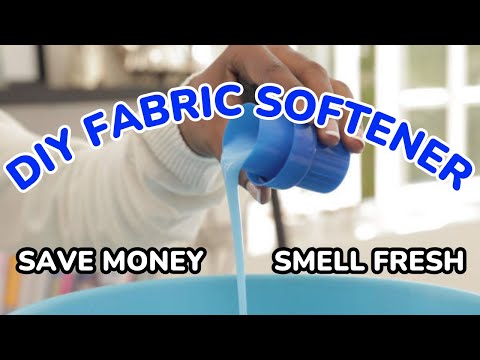
When comparing sustainable options, consider the format. Liquid Fabric Softeners are familiar but can be bulky and prone to spills. Dryer Sheets offer convenience but often come in non-recyclable packaging and can leave a waxy residue. Wool Dryer Balls are a reusable alternative that can be infused with essential oils, though they don't provide the same chemical softening effect. For the truly DIY-minded, a simple Vinegar Rinse before the final spin cycle can act as a natural softener and deodorizer, though it won't impart a scent.
💡 Pro-Tips for an Eco-Friendly Laundry Routine
To maximize the benefits of your sustainable fabric softener, integrate it into a broader eco-laundry routine. Wash clothes in Cold Water Washing whenever possible to save energy. Opt for Line Drying to eliminate dryer energy use entirely and extend garment life. Ensure your Washing Machine Efficiency is energy-efficient. By combining these practices, you amplify the positive impact of your chosen softener, creating a truly green laundry day that benefits both your clothes and the planet.
🌍 Where to Find Them: Your Sustainable Shopping Guide
Finding sustainable fabric softeners is increasingly straightforward. Major retailers like Target and Whole Foods Market now dedicate significant shelf space to eco-friendly brands. Online marketplaces such as Amazon offer a vast selection, often with competitive pricing and subscription options. Direct-to-consumer brands like Blueland and Grove Collaborative are also excellent resources, providing curated selections and often focusing on Refillable Systems to further minimize waste. Always check product labels for certifications like EWG Verified or USDA Certified Biobased Product.
Key Facts
- Year
- 2023
- Origin
- Global
- Category
- Home & Lifestyle
- Type
- Product Category
Frequently Asked Questions
Are sustainable fabric softeners as effective as conventional ones?
For most users, yes. Sustainable options effectively reduce static and soften fabrics using plant-derived ingredients. Some users accustomed to the intense chemical softening of conventional products might find the effect slightly less pronounced, but the difference is often minimal. Brands are continually innovating to improve performance while maintaining eco-credentials. The key is often using the correct amount for your load size.
What are the main ingredients to avoid in fabric softeners?
You should look to avoid quaternary ammonium compounds (quats), which are common in conventional softeners and can be harsh on skin and aquatic life. Artificial fragrances, dyes, and parabens are also best avoided due to potential health and environmental concerns. Phosphates, while less common now, are also detrimental to waterways. Always check ingredient lists for transparency.
Can I use sustainable fabric softeners with all types of fabrics?
Generally, yes. Sustainable fabric softeners are safe for most common fabrics, including cotton, synthetics, and blends. However, it's always wise to check the care label of delicate items like silk or wool. Some specialized natural softeners might be formulated for specific fabric types, but most general eco-friendly options are versatile.
How do wool dryer balls compare to sustainable fabric softeners?
Wool dryer balls are a reusable alternative that physically softens clothes by bouncing around in the dryer, reducing drying time and static. They don't contain chemical softening agents. You can add a few drops of Essential Oils to them for a natural scent. Fabric softeners, even sustainable ones, use ingredients to coat fibers. Many people use both wool dryer balls and a sustainable softener for maximum effect.
What does 'biodegradable' mean in the context of fabric softeners?
Biodegradable means the ingredients in the fabric softener can be broken down into natural substances like water, carbon dioxide, and biomass by microorganisms. This is crucial because laundry water eventually enters our ecosystems. A truly biodegradable formula ensures that the product doesn't persist in the environment, unlike many synthetic chemicals found in conventional softeners that can accumulate and cause long-term harm.
Are there any certifications I should look for?
Yes, several certifications indicate a product's commitment to sustainability and safety. Look for labels like EWG Verified (Environmental Working Group), which assesses ingredient transparency and health impacts. USDA Certified Biobased Product confirms that a product's ingredients are derived from plants and other renewable agricultural, marine, and forestry materials. Certifications from organizations like Leaping Bunny (cruelty-free) are also valuable indicators.