
Contents
- 🌐 Introduction to Surface Mount Technology
- 💻 History of SMT: From Planar Mounting to Modern Electronics
- 📈 Advantages of Surface Mount Technology
- 🔩 Through-Hole Technology: The Predecessor to SMT
- 🤖 Automation in SMT: Increasing Efficiency and Reducing Costs
- 📊 Comparison of SMT and Through-Hole Technology
- 🔍 Challenges and Limitations of Surface Mount Technology
- 🌈 Future of SMT: Emerging Trends and Innovations
- 📚 Case Studies: Successful Implementation of SMT in Electronics Manufacturing
- 👥 Industry Leaders: Companies at the Forefront of SMT Development
- 📊 Market Analysis: The Growing Demand for SMT in Electronics Manufacturing
- Frequently Asked Questions
- Related Topics
Overview
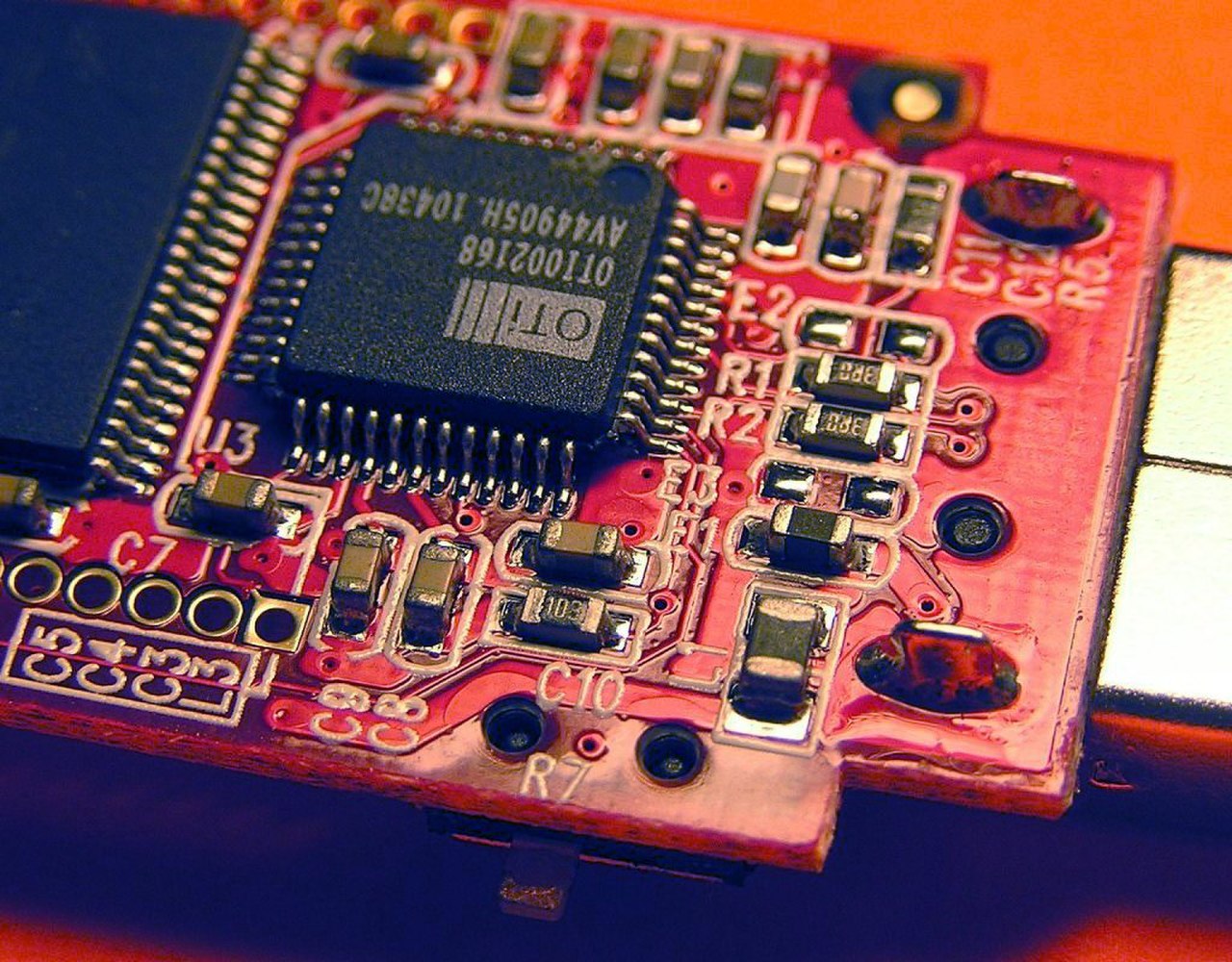
Surface Mount Technology (SMT) has revolutionized the electronics manufacturing industry by enabling the direct mounting of electrical components onto the surface of a Printed Circuit Board (PCB). This approach has largely replaced the traditional Through-Hole Technology method, which involves fitting components through holes in the PCB. The use of SMT has improved manufacturing automation, reduced costs, and increased the quality of electronic products. As a result, SMT has become the preferred method for producing Electronic Components such as Capacitors, Resistors, and Inductors. The widespread adoption of SMT can be attributed to its ability to increase the density of components on a PCB, making it an essential technology for the production of Mobile Devices, Laptops, and other Consumer Electronics.
💻 History of SMT: From Planar Mounting to Modern Electronics
The history of SMT dates back to the 1960s, when it was first introduced as Planar Mounting. Over the years, SMT has evolved to become a crucial aspect of Electronics Manufacturing. The development of SMT was driven by the need for more efficient and cost-effective methods of producing electronic components. The introduction of SMT enabled the production of smaller, lighter, and more reliable electronic devices, which in turn fueled the growth of the Electronics Industry. Today, SMT is used in a wide range of applications, from Aerospace Engineering to Automotive Electronics. The use of SMT has also enabled the development of new technologies such as Internet of Things (IoT) and Wearable Technology.
📈 Advantages of Surface Mount Technology
One of the primary advantages of SMT is its ability to increase manufacturing automation, which reduces costs and improves quality. SMT also allows for more components to be fitted on a given area of substrate, making it an ideal technology for producing High-Density PCBs. Additionally, SMT enables the use of smaller components, which reduces the overall size and weight of electronic devices. The use of SMT has also improved the reliability and performance of electronic products, making it a crucial technology for the production of Mission-Critical Systems. Furthermore, SMT has enabled the development of new Packaging Technologies such as Ball Grid Array (BGA) and Quad Flat No-Leads (QFN).
🔩 Through-Hole Technology: The Predecessor to SMT
Through-Hole Technology (THT) is a traditional method of fitting components onto a PCB, which involves passing the leads of the components through holes in the board. While THT is still used in some applications, it has largely been replaced by SMT due to its limitations. THT is often used for components that are not suitable for surface mounting, such as large Transformers and Heat-Sinked Power Semiconductors. However, THT is still used in some niche applications, such as High-Power Electronics and High-Reliability Electronics. The use of THT can be attributed to its ability to provide a high level of mechanical strength and stability, making it an ideal technology for producing Ruggedized Electronics.
🤖 Automation in SMT: Increasing Efficiency and Reducing Costs
The use of automation in SMT has increased efficiency and reduced costs in the electronics manufacturing industry. Automated SMT lines can produce high volumes of PCBs with minimal human intervention, making it an ideal technology for producing High-Volume Electronics. The use of automation in SMT has also improved the quality of electronic products, making it a crucial technology for the production of Mission-Critical Systems. Additionally, automation in SMT has enabled the development of new technologies such as Artificial Intelligence (AI) and Machine Learning (ML). The use of AI and ML in SMT has improved the inspection and testing of PCBs, making it possible to detect defects and anomalies in real-time. The integration of AI and ML in SMT has also enabled the development of Predictive Maintenance and Quality Control systems.
📊 Comparison of SMT and Through-Hole Technology
A comparison of SMT and THT reveals that SMT offers several advantages over THT. SMT enables the production of smaller, lighter, and more reliable electronic devices, making it an ideal technology for producing Consumer Electronics. Additionally, SMT allows for more components to be fitted on a given area of substrate, making it an ideal technology for producing High-Density PCBs. However, THT is still used in some niche applications, such as High-Power Electronics and High-Reliability Electronics. The choice between SMT and THT depends on the specific requirements of the application, including the type of components used, the complexity of the design, and the desired level of reliability and performance. The use of Hybrid PCBs that combine SMT and THT has also become increasingly popular, as it offers the benefits of both technologies.
🔍 Challenges and Limitations of Surface Mount Technology
Despite its advantages, SMT also has some challenges and limitations. One of the primary challenges of SMT is the requirement for specialized equipment and expertise. The use of SMT also requires a high level of quality control, as the components are mounted directly onto the surface of the PCB. Additionally, SMT can be sensitive to temperature and humidity, making it essential to control the environment in which the PCBs are produced. The use of SMT also requires a high level of Design for Manufacturability (DFM), as the components must be designed to be compatible with the SMT process. The integration of Computer-Aided Design (CAD) and Computer-Aided Manufacturing (CAM) systems has enabled the development of more efficient and effective SMT processes.
🌈 Future of SMT: Emerging Trends and Innovations
The future of SMT is expected to be shaped by emerging trends and innovations in the electronics manufacturing industry. One of the primary trends in SMT is the use of Artificial Intelligence (AI) and Machine Learning (ML) to improve the inspection and testing of PCBs. The use of AI and ML in SMT has enabled the development of Predictive Maintenance and Quality Control systems. Additionally, the use of Internet of Things (IoT) and Industrial Internet of Things (IIoT) has enabled the development of more efficient and effective SMT processes. The integration of 5G and 6G technologies is also expected to shape the future of SMT, as it will enable the development of more complex and sophisticated electronic devices.
📚 Case Studies: Successful Implementation of SMT in Electronics Manufacturing
Several companies have successfully implemented SMT in their electronics manufacturing processes. For example, Apple has used SMT to produce high volumes of iPhone and iPad devices. Similarly, Samsung has used SMT to produce high volumes of Galaxy smartphones and TVs. The use of SMT has enabled these companies to reduce costs, improve quality, and increase efficiency in their electronics manufacturing processes. The integration of SMT with other technologies such as 3D Printing and Robotics has also enabled the development of more efficient and effective electronics manufacturing processes.
👥 Industry Leaders: Companies at the Forefront of SMT Development
Several industry leaders are at the forefront of SMT development, including Intel, Qualcomm, and Broadcom. These companies have developed advanced SMT technologies and processes that have enabled the production of high-performance electronic devices. The use of SMT has also enabled the development of new technologies such as Artificial Intelligence (AI) and Machine Learning (ML). The integration of SMT with other technologies such as Internet of Things (IoT) and Industrial Internet of Things (IIoT) has also enabled the development of more efficient and effective electronics manufacturing processes.
📊 Market Analysis: The Growing Demand for SMT in Electronics Manufacturing
The market for SMT is expected to grow significantly in the coming years, driven by the increasing demand for electronic devices such as Smartphones, Laptops, and Tablets. The use of SMT has enabled the production of high-performance electronic devices that are smaller, lighter, and more reliable. The integration of SMT with other technologies such as 5G and 6G is also expected to drive the growth of the SMT market. The use of SMT has also enabled the development of new technologies such as Autonomous Vehicles and Wearable Technology.
Key Facts
- Year
- 1960
- Origin
- United States
- Category
- Electronics Manufacturing
- Type
- Technology
Frequently Asked Questions
What is Surface Mount Technology (SMT)?
Surface Mount Technology (SMT) is a method of mounting electrical components directly onto the surface of a printed circuit board (PCB). This approach has largely replaced the traditional through-hole technology method, which involves fitting components through holes in the PCB. The use of SMT has improved manufacturing automation, reduced costs, and increased the quality of electronic products. As a result, SMT has become the preferred method for producing electronic components such as capacitors, resistors, and inductors.
What are the advantages of SMT over Through-Hole Technology (THT)?
SMT offers several advantages over THT, including increased manufacturing automation, reduced costs, and improved quality. SMT also allows for more components to be fitted on a given area of substrate, making it an ideal technology for producing high-density PCBs. Additionally, SMT enables the production of smaller, lighter, and more reliable electronic devices, making it an ideal technology for producing consumer electronics.
What are the challenges and limitations of SMT?
Despite its advantages, SMT also has some challenges and limitations. One of the primary challenges of SMT is the requirement for specialized equipment and expertise. The use of SMT also requires a high level of quality control, as the components are mounted directly onto the surface of the PCB. Additionally, SMT can be sensitive to temperature and humidity, making it essential to control the environment in which the PCBs are produced.
What is the future of SMT?
The future of SMT is expected to be shaped by emerging trends and innovations in the electronics manufacturing industry. One of the primary trends in SMT is the use of artificial intelligence (AI) and machine learning (ML) to improve the inspection and testing of PCBs. The use of AI and ML in SMT has enabled the development of predictive maintenance and quality control systems. Additionally, the use of internet of things (IoT) and industrial internet of things (IIoT) has enabled the development of more efficient and effective SMT processes.
What are the applications of SMT?
SMT has a wide range of applications, including the production of consumer electronics such as smartphones, laptops, and tablets. SMT is also used in the production of automotive electronics, aerospace electronics, and industrial electronics. The use of SMT has enabled the development of new technologies such as autonomous vehicles and wearable technology.