
Contents
Overview
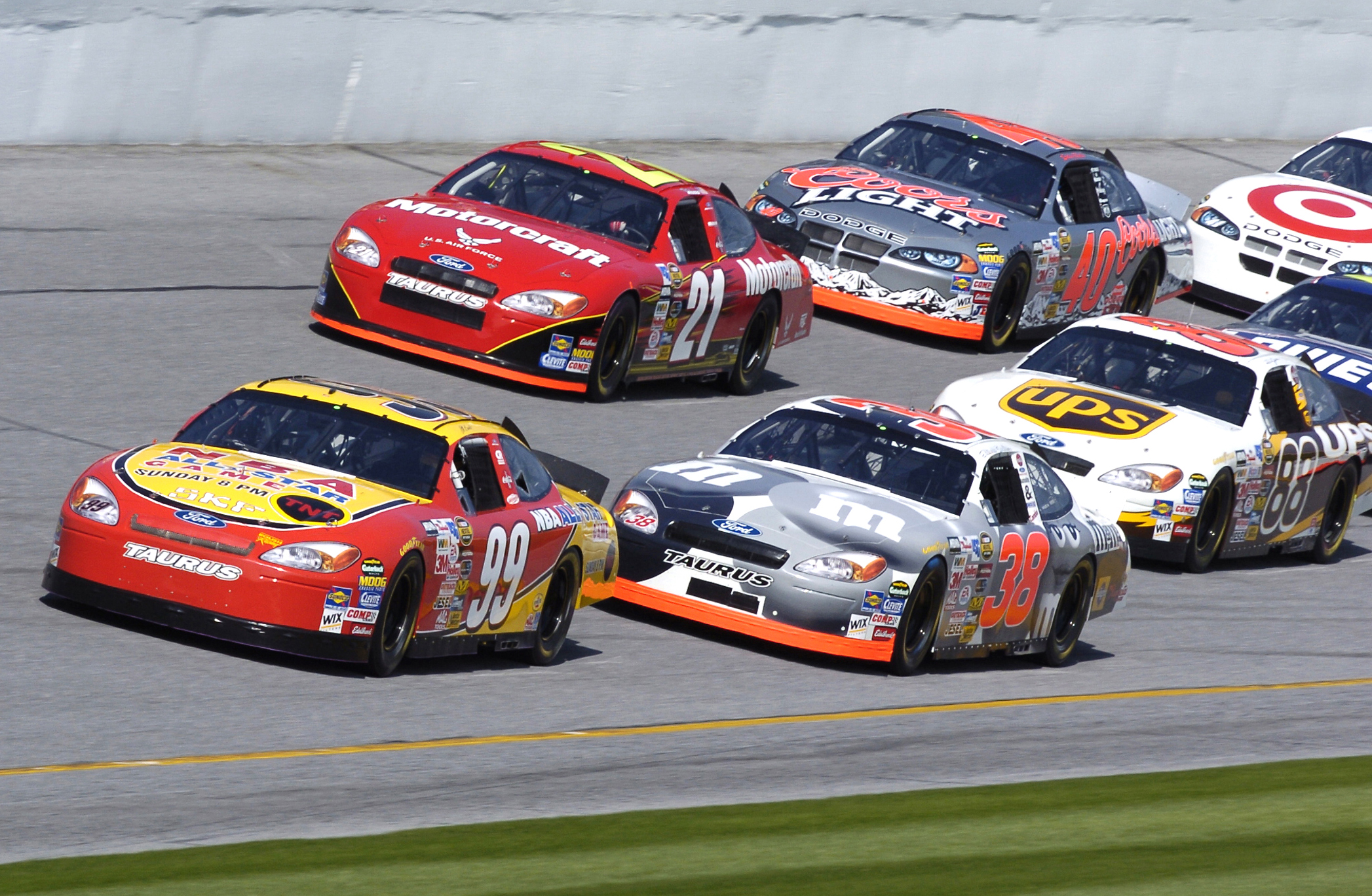
Stock car racing is a high-octane motorsport characterized by its origins in modified production vehicles, now evolved into purpose-built racing machines. Primarily run on oval tracks, though road courses are increasingly featured, it captivates millions with its raw speed and close-quarters competition. The sport's heart beats strongest in the United States under the banner of NASCAR, whose Cup Series represents the pinnacle of professional stock car racing. Races, often spanning hundreds of miles, push drivers and machines to their limits, with top speeds exceeding 200 mph on iconic circuits like Daytona. Beyond its American roots, stock car racing boasts passionate followings and organized series across Canada, Mexico, Brazil, Australia, and the United Kingdom, showcasing a global appeal built on speed, strategy, and sheer grit.
🎵 Origins & History
Resourceful individuals modified their Ford Model Ts and Chryslers to outrun federal agents while transporting illicit moonshine. These souped-up sedans, built from readily available production car parts – hence 'stock' – became the foundation for the sport. Figures like Bill France Sr. recognized the spectator appeal of these modified street cars battling on dirt tracks and beach courses. The sport was formally organized, laying the groundwork for a professional racing league that would eventually eclipse its humble beginnings, moving from dusty rural tracks to the gleaming superspeedways of today. Early pioneers like Richard Petty and Junior Johnson became legends, their exploits cementing stock car racing's place in American folklore.
⚙️ How It Works
Contemporary stock cars retain the V8 engine configuration and silhouette. These purpose-built machines feature a robust steel tube chassis. The driver sits in a heavily reinforced cockpit, protected by a full roll cage, racing seat, and five-point harness. Suspension systems are highly sophisticated, allowing for precise handling on both high-banked ovals and technical road courses. Tires are specialized, designed for extreme grip and durability over long race distances, while braking systems are equally robust to handle the immense forces involved. The engineering is a delicate balance between raw power, aerodynamic efficiency, and driver safety, a far cry from the days of simply bolting on a bigger carburetor.
📊 Key Facts & Numbers
The sport employs thousands directly and indirectly, from mechanics and engineers to marketing professionals and track personnel.
👥 Key People & Organizations
NASCAR remains the undisputed titan of stock car racing. Its current leadership, including Jim France and Lesa Kennedy, continue to steer the organization. Other significant figures include Jeff Gordon, who brought a new level of mainstream appeal, and modern stars like Kyle Larson and Chase Elliott. Beyond NASCAR, organizations like ARCA and various international federations manage regional and developmental series, fostering talent and maintaining the sport's global presence. Manufacturers like Chevrolet, Ford, and Toyota are crucial partners, fielding factory-backed teams.
🌍 Cultural Impact & Influence
It has inspired countless songs, movies, and television shows, from the classic film Days of Thunder to the animated series CARS. The accessibility of its origins – cars that looked like those on public roads – fostered a strong connection with blue-collar audiences. The intense rivalries, dramatic finishes, and the sheer danger involved contribute to its enduring appeal. The sport's commercialization has also led to significant marketing and branding opportunities, with drivers becoming household names and their sponsors adorning cars and uniforms, creating a vibrant visual identity that permeates popular culture.
⚡ Current State & Latest Developments
The NASCAR Cup Series is currently navigating a significant transition with its Next Gen car, introduced in 2022. This platform aims to reduce costs for teams, improve racing parity, and better align with manufacturer production vehicles. The series is also actively exploring the integration of new technologies, including hybrid powertrains, and expanding its presence on road courses, reflecting a broader trend in motorsport. Recent seasons have seen increased competition and a rise in younger stars challenging established veterans, injecting fresh energy. International expansion remains a focus, with NASCAR experimenting with exhibition races and series in markets like Europe and Australia, seeking to broaden its global footprint beyond its traditional strongholds.
🤔 Controversies & Debates
The debate over the 'stock' nature of stock cars is perennial. Modern NASCAR vehicles, costing hundreds of thousands of dollars and built to highly specific regulations, bear little resemblance to production cars. This disconnect fuels discussions about authenticity and accessibility. Safety is another constant point of contention; while immense progress has been made, the inherent risks of high-speed oval racing, particularly the potential for multi-car crashes, remain a concern for fans and regulators alike. The economic model of the sport, heavily reliant on sponsorship and large corporate entities, also draws criticism regarding its sustainability and the financial barriers for aspiring independent teams. Furthermore, the increasing prevalence of road courses in NASCAR's schedule sparks debate among purists who believe the sport's identity is tied to oval racing.
🔮 Future Outlook & Predictions
The future of stock car racing is likely to involve a greater embrace of electrification and hybrid powertrains, driven by global automotive trends and environmental concerns. NASCAR has already announced plans to introduce hybrid technology in the coming years, a move that could fundamentally alter the sound and feel of the sport. Expect continued diversification of track types, with more road courses and potentially street circuits being added to schedules to appeal to a wider audience and global markets. The Next Gen car platform is expected to evolve, focusing on further cost reduction and technological innovation. The sport's ability to attract and retain younger demographics, both as fans and participants, will be crucial for its long-term viability, potentially through increased use of esports and digital engagement platforms.
💡 Practical Applications
While stock cars are purpose-built racing machines, the engineering principles and technologies developed have trickle-down effects. Aerodynamic research conducted for racing series like NASCAR can inform the design of more fuel-efficient road cars. The development of robust safety equipment, such as advanced helmets, fire-resistant suits, and impact-absorbing materials, has direct applications in everyday automotive safety. Furthermore, the logistical and operational expertise honed by professional racing teams – in areas like rapid repair, data analysis, and high-performance team management – can be applied to various industrial and operational challenges outside of motorsport. The marketing and branding strategies employed by NASCAR teams also serve as case studies for businesses seeking to build strong brand identities and engage with consumer bases.
Key Facts
- Category
- culture
- Type
- topic