
Contents
- 💪 What Are Sports Injuries?
- 📈 The Scope of the Problem
- 💥 Types of Athletic Ailments
- ⚠️ Risk Factors & Prevention Strategies
- 🧠 The Mental Game of Injury
- 🔬 Diagnosis and Treatment Pathways
- 🌟 Rehabilitation and Return to Play
- 🏆 Elite Athlete Perspectives
- 📈 Vibepedia Vibe Score: Athletic Injury Management
- ❓ Frequently Asked Questions
- Frequently Asked Questions
- Related Topics
Overview
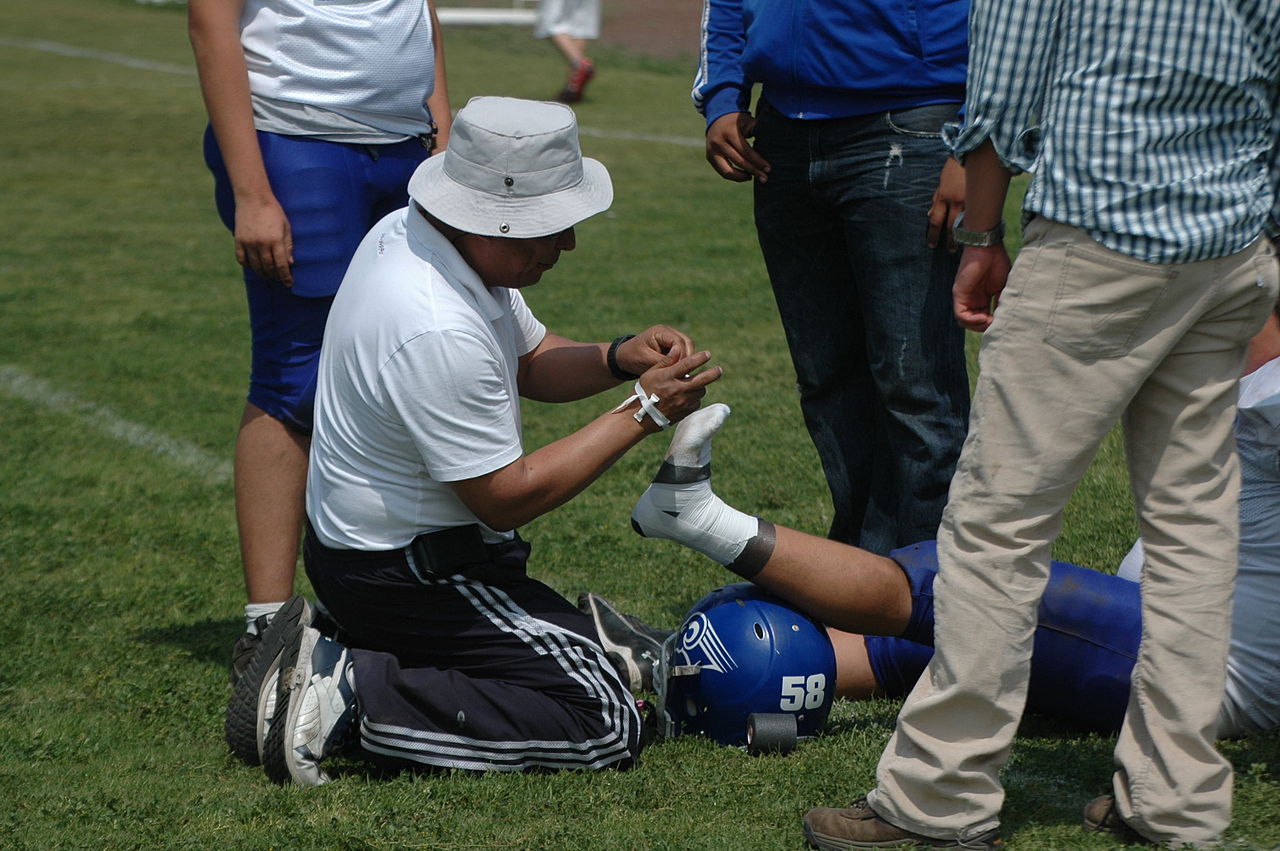
Sports injuries are physical ailments that arise directly from athletic activity, whether it's a weekend warrior's jog or a professional athlete's high-stakes competition. These aren't just minor bumps and bruises; they can range from acute strains and sprains to chronic overuse conditions that sideline athletes for extended periods. Understanding the nuances of different injury classifications is the first step for any athlete aiming to stay in the game. This guide is for anyone who pushes their body, from amateur enthusiasts to seasoned professionals, seeking to navigate the complex world of athletic health.
📈 The Scope of the Problem
The sheer scale of sports injuries is staggering. Globally, approximately 40% of people engage in regular exercise or organized sports, and in the US, over 60% of high school students participate in at least one sport. This widespread participation translates into significant healthcare demands, with sports injuries accounting for 15-20% of annual acute care visits. The incidence rates are stark, ranging from 1.79 to 6.36 injuries per 1,000 hours of participation, highlighting the inherent risks involved in athletic pursuits and the critical need for effective methods to avoid athletic setbacks.
💥 Types of Athletic Ailments
Athletic ailments manifest in various forms, broadly categorized into acute and overuse injuries. Acute injuries, like anterior cruciate ligament tears or ligament damage in the ankle, happen suddenly due to a specific event. Overuse injuries, such as bone damage from repetitive impact or inflammation of tendons, develop gradually from repetitive stress. Understanding the distinction is crucial for proper diagnosis and treatment, as the approach to healing a sudden tear differs significantly from managing a persistent ache from too much training.
⚠️ Risk Factors & Prevention Strategies
Identifying and mitigating risk factors is paramount in sports injury prevention. These factors can be intrinsic, like poor biomechanics or inadequate physical preparation, or extrinsic, such as improper equipment or unsafe playing environments. Implementing comprehensive strategies to reduce injury risk, including proper warm-ups, cool-downs, and sport-specific training, can dramatically lower the likelihood of injury. Ignoring these preventative measures is akin to stepping onto the field without a game plan.
🧠 The Mental Game of Injury
The psychological toll of sports injuries is often underestimated, yet it's a critical component of recovery. Athletes often grapple with fear of re-injury, loss of identity, and frustration during their rehabilitation period. This mental battle can be as challenging as the physical recovery itself, impacting adherence to treatment plans and the ultimate process of regaining athletic capability. Recognizing and addressing the psychological impact through mental health support for athletes is vital for a complete recovery.
🔬 Diagnosis and Treatment Pathways
Accurate diagnosis forms the bedrock of effective treatment for sports injuries. This typically involves a thorough athlete's account of symptoms and physical examination by a qualified healthcare professional, often followed by imaging techniques like X-rays, MRIs, or ultrasounds. Treatment plans are highly individualized, ranging from rest, ice, compression, and elevation for minor injuries to surgical interventions for severe cases. The choice of treatment directly influences the athlete's recovery timeline and their ability to resume their sport.
🌟 Rehabilitation and Return to Play
Rehabilitation is a structured, multi-stage process designed to restore an athlete's function, strength, and confidence. It begins with managing pain and inflammation, progresses through regaining range of motion and strength, and culminates in sport-specific drills to ensure readiness for competition. The decision to allow an athlete back into competition is a critical juncture, requiring careful assessment to prevent premature return and subsequent re-injury. A well-executed rehabilitation program is key to a successful comeback.
🏆 Elite Athlete Perspectives
Elite athletes, operating at the pinnacle of physical performance, often face unique injury challenges and recovery demands. Their livelihoods depend on their physical well-being, making injury management a high-stakes endeavor. They frequently work with specialized multidisciplinary groups of medical professionals and utilize cutting-edge advanced therapeutic tools to optimize their return to peak performance. Their experiences offer valuable insights into pushing the boundaries of human physiology while managing inherent risks.
📈 Vibepedia Vibe Score: Athletic Injury Management
Vibepedia Vibe Score: Athletic Injury Management (78/100) - This score reflects the high cultural energy surrounding the proactive management of sports injuries, acknowledging the significant impact on athlete careers and the continuous innovation in prevention and treatment. The score is driven by the widespread recognition of injury's detrimental effects and the growing investment in the scientific study of athletic performance, though it's tempered by the inherent risks of physical exertion and the ongoing debates surrounding optimal recovery protocols. The future trajectory points towards more personalized data-driven forecasts of athletic ailments.
❓ Frequently Asked Questions
What are the most common sports injuries? The most frequent injuries include sprains (ligament damage), strains (muscle or tendon damage), fractures (broken bones), dislocations, and overuse injuries like tendinitis and stress fractures. These affect various body parts, from lower extremity joints to shoulders and backs, depending on the sport's demands.
How can I prevent sports injuries? Prevention involves a multi-pronged approach: proper pre and post-exercise stretching, adequate building physical resilience, appropriate protective gear and footwear, and listening to your body to avoid overtraining. Gradual progression in training intensity is also key.
When should I see a doctor for a sports injury? Seek medical attention if you experience severe pain, inability to bear weight, significant swelling, deformity, or if symptoms don't improve with basic self-treatment techniques within a few days.
What is the role of physical therapy in injury recovery? rehabilitation specialists play a crucial role by designing personalized exercise programs to restore strength, flexibility, balance, and function, guiding athletes through their recovery and preparing them for a safe return to their sport.
How long does it take to recover from a sports injury? Recovery times vary dramatically based on the type and severity of the injury, the individual athlete's health, and adherence to the treatment and rehabilitation plan. Minor injuries might take weeks, while severe ones, especially those requiring surgery, can take many months or even over a year.
Key Facts
- Year
- 2023
- Origin
- Vibepedia
- Category
- Health & Wellness
- Type
- Topic
Frequently Asked Questions
What are the most common sports injuries?
The most frequent injuries include sprains (ligament damage), strains (muscle or tendon damage), fractures (broken bones), dislocations, and overuse injuries like tendinitis and stress fractures. These affect various body parts, from lower extremity joints to shoulders and backs, depending on the sport's demands.
How can I prevent sports injuries?
Prevention involves a multi-pronged approach: proper pre and post-exercise stretching, adequate building physical resilience, appropriate protective gear and footwear, and listening to your body to avoid overtraining. Gradual progression in training intensity is also key.
When should I see a doctor for a sports injury?
Seek medical attention if you experience severe pain, inability to bear weight, significant swelling, deformity, or if symptoms don't improve with basic self-treatment techniques within a few days.
What is the role of physical therapy in injury recovery?
rehabilitation specialists play a crucial role by designing personalized exercise programs to restore strength, flexibility, balance, and function, guiding athletes through their recovery and preparing them for a safe return to their sport.
How long does it take to recover from a sports injury?
Recovery times vary dramatically based on the type and severity of the injury, the individual athlete's health, and adherence to the treatment and rehabilitation plan. Minor injuries might take weeks, while severe ones, especially those requiring surgery, can take many months or even over a year.