
Contents
- 📍 Overview: Sofia's Vibe
- 🏛️ Historical Layers & Modern Pulse
- 🚶♀️ Navigating the Streets: Getting Around
- 🍽️ Culinary Scene: From Traditional to Trendy
- 🎭 Culture & Entertainment: Beyond the Obvious
- 💰 Budgeting Your Sofia Adventure
- 💡 Insider Tips for Savvy Travelers
- 🌟 Sofia's Vibe Score & Contributor Insights
- Frequently Asked Questions
- Related Topics
Overview
Sofia, Bulgaria's capital, is a city that defies easy categorization. It's a place where ancient Roman ruins peek out from beneath bustling boulevards, where Soviet-era architecture stands shoulder-to-shoulder with sleek modern developments, and where a vibrant, youthful energy pulses through its historic core. This isn't a city that screams for attention; instead, it offers a more nuanced, rewarding experience for those willing to look beyond the surface. It's ideal for budget travel seeking authentic European charm, historical sites in Bulgaria eager to uncover layers of civilization, and digital nomad destinations looking for an affordable European base with a burgeoning creative scene. Sofia's vibe is one of resilient history meeting forward-looking ambition.
🏛️ Historical Layers & Modern Pulse
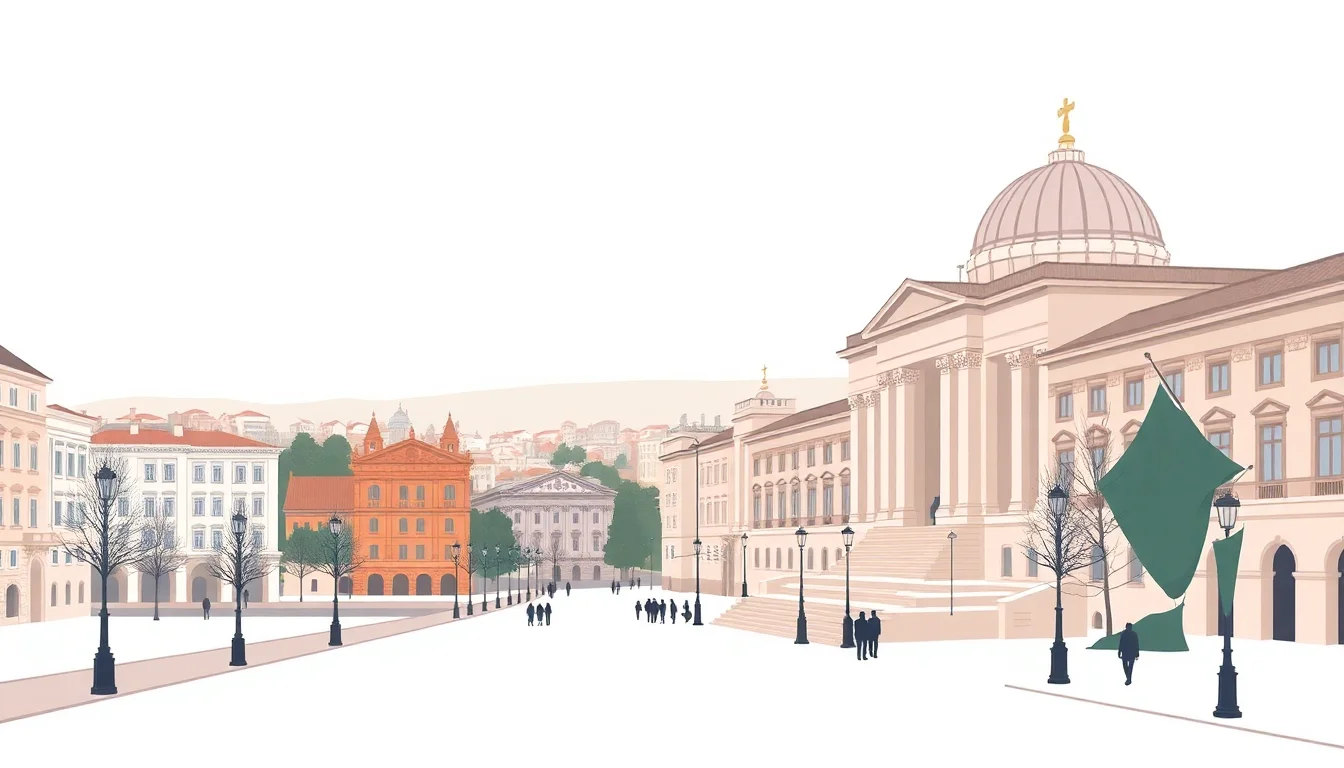
The city's historical narrative is a compelling one, stretching back millennia. You can trace its origins to the ancient ancient Roman ruins in Sofia, remnants of which are still visible today, notably around the Sofia's Largo. Later, it flourished under Ottoman influence in the Balkans, leaving behind mosques like the historic mosques in Sofia. The 20th century brought Soviet-era architecture in Sofia, evident in monumental buildings and wide avenues, which now coexist with a growing number of contemporary art galleries and co-working spaces. This juxtaposition is Sofia's unique charm, a constant dialogue between past and present.
🍽️ Culinary Scene: From Traditional to Trendy
Sofia's culinary scene is a delightful exploration of traditional Bulgarian flavors with a modern twist. Expect hearty dishes like Bulgarian banitsa, a savory cheese pastry, and traditional Bulgarian salads, a refreshing mix of tomatoes, cucumbers, peppers, and sirene cheese. For a more contemporary dining experience, explore the city's growing number of restaurants offering international cuisine and innovative takes on local ingredients. Don't miss the chance to sample Bulgarian wines, particularly the Bulgarian red wines, which are gaining international recognition. Look for 'mehanas' for authentic, rustic dining experiences.
🎭 Culture & Entertainment: Beyond the Obvious
Beyond its historical sites, Sofia boasts a rich cultural tapestry. The cultural venues in Sofia is a hub for concerts, exhibitions, and events, while the Sofia's theatre scene offers world-class performances. For art lovers, the Bulgarian art galleries houses an impressive collection of national art, and numerous smaller galleries showcase contemporary Bulgarian artists. The city also has a burgeoning nightlife, with a range of bars and clubs catering to diverse tastes, from traditional pubs to trendy cocktail lounges.
💰 Budgeting Your Sofia Adventure
Sofia is renowned for its affordability, making it an attractive destination for budget-conscious travelers. Accommodation options range from affordable hostels starting at €10-15 per night to comfortable mid-range hotels and apartments available for significantly less than in Western European capitals. Food is also very reasonably priced, with a hearty meal at a local restaurant often costing under €10. Public transport is exceptionally cheap, and many of the city's main attractions are free to visit or have modest entrance fees. Expect to spend around €30-50 per day for a comfortable budget experience.
💡 Insider Tips for Savvy Travelers
To truly experience Sofia like a local, consider visiting the Sofia's central market for fresh produce and local delicacies. Explore the Vitosha Mountain on the city's outskirts for stunning views and hiking opportunities – it's easily accessible by public transport. Engage with locals; Bulgarians are generally warm and welcoming, though English proficiency can vary outside tourist areas. Learning a few basic Bulgarian phrases like 'Dobar den' (Good day) and 'Blagodarya' (Thank you) will be greatly appreciated. For a unique souvenir, look for handmade crafts or local wines.
🌟 Sofia's Vibe Score & Contributor Insights
Sofia's Vibe Score currently stands at a solid 72/100, reflecting its blend of historical depth, cultural vibrancy, and affordability. Contributors highlight its 'underrated charm' and 'authentic European feel' as key strengths. The city is particularly strong in historical sites in Sofia (85/100) and budget travel in Sofia (88/100). Areas for potential growth include its international restaurants in Sofia (65/100) and Sofia public transport (70/100), though these are rapidly improving. The prevailing sentiment is optimistic, with many seeing Sofia as a city on the rise, poised to attract more discerning travelers.
Key Facts
- Year
- 2023
- Origin
- Vibepedia
- Category
- City Guide
- Type
- City
Frequently Asked Questions
What is the best time of year to visit Sofia?
The shoulder seasons, spring (April-May) and autumn (September-October), offer pleasant weather for exploring the city and surrounding nature, with fewer crowds than the peak summer months. Summer (June-August) can be quite warm, while winter (November-March) brings cold temperatures and snow, ideal for winter sports on Vitosha Mountain.
Is Sofia safe for solo travelers?
Yes, Sofia is generally considered a safe city for solo travelers, including women. Standard precautions against pickpocketing in crowded areas and awareness of your surroundings at night are recommended, as in any major city. The city center is well-lit and busy.
What currency is used in Sofia?
The official currency in Bulgaria is the Bulgarian Lev (BGN). While some tourist establishments might accept Euros, it's best to use Leva for most transactions. ATMs are widely available, and credit cards are accepted in most hotels, restaurants, and larger shops.
Do people speak English in Sofia?
English is increasingly spoken, especially by younger generations and in tourist-oriented businesses like hotels, restaurants, and attractions. However, outside these areas, communication might be more challenging. Learning a few basic Bulgarian phrases is always a good idea and is appreciated by locals.
What are the must-try traditional Bulgarian dishes?
Beyond banitsa and shopska salad, you should try 'kavarma' (a slow-cooked meat stew), 'kebapche' (grilled minced meat sausages), and 'tarator' (a cold cucumber and yogurt soup, especially refreshing in summer). Don't forget to sample Bulgarian yogurt, renowned for its quality.
How can I experience Sofia's nightlife?
Sofia offers a diverse nightlife. For traditional Bulgarian folk music and atmosphere, seek out a 'mehana'. Trendy cocktail bars are concentrated around the city center, particularly on streets like 'Shishman'. For clubbing, areas near the NDK and student districts offer various options.