
Contents
Overview
Smart garden sensors are electronic devices designed to monitor various environmental conditions crucial for plant health, including soil moisture, light intensity, temperature, humidity, and nutrient levels. These sensors collect real-time data, which is then transmitted wirelessly to a user's smartphone or a central hub, enabling gardeners to make informed decisions about watering, fertilizing, and placement. The market for these devices has exploded with the rise of the Internet of Things (IoT), offering solutions from simple, single-point probes to complex, multi-sensor arrays integrated into automated watering systems. Companies like Google (with its Nest ecosystem) and Apple are increasingly incorporating such technologies into smart home platforms, while dedicated gardening tech companies like Gardena and Ecobee offer specialized products. The global smart agriculture market, which includes garden sensors, was valued at approximately $15.5 billion in 2023 and is projected to grow significantly, driven by demand for efficient resource management and increased yields.
🎵 Origins & History
The concept of monitoring soil conditions for agriculture dates back millennia, with ancient farmers observing soil texture and plant wilting. However, the genesis of modern smart garden sensors can be traced to the development of electronic soil moisture probes in the mid-20th century, initially for agricultural research and large-scale farming. Early prototypes, often bulky and requiring manual data logging, emerged from university research labs in the 1970s and 1980s. The miniaturization and cost reduction of electronic components, particularly microcontrollers and wireless communication modules, in the late 1990s and early 2000s paved the way for consumer-grade devices. Companies like Davis Instruments began offering more sophisticated weather stations and soil sensors for hobbyists, while the broader IoT revolution, accelerated by platforms like Arduino and Raspberry Pi, democratized sensor technology, enabling a wave of startups to enter the smart gardening space in the 2010s.
⚙️ How It Works
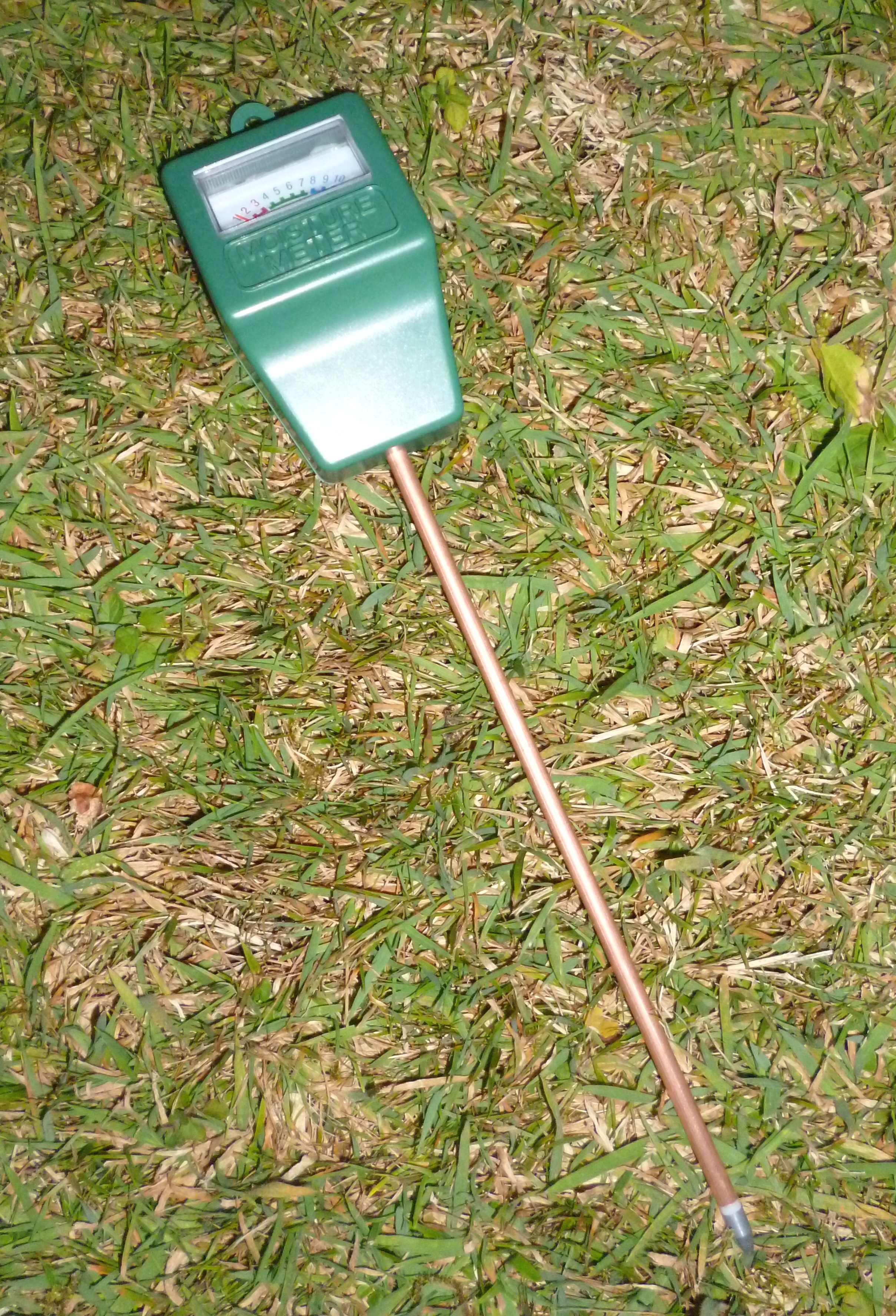
Smart garden sensors operate by measuring specific environmental parameters and converting them into electrical signals. Soil moisture sensors, for instance, often use the principle of electrical resistance or capacitance; as water content increases, the soil's electrical conductivity changes, which is detected by probes. Light sensors (photodiodes or photoresistors) measure ambient light intensity, while temperature and humidity sensors (often thermistors or capacitive humidity sensors) detect atmospheric conditions. These raw signals are processed by an integrated microcontroller within the sensor unit. This processed data is then transmitted wirelessly, typically via Bluetooth, Wi-Fi, or proprietary low-power radio frequencies, to a base station or directly to a smartphone app. The app visualizes the data, often providing actionable insights like "water now" or "move to a sunnier spot," and can sometimes integrate with automated irrigation systems like those from Orbit B-hygrolink.
📊 Key Facts & Numbers
The smart garden sensor market is experiencing robust growth, with global revenues projected to reach over $3 billion by 2028, up from an estimated $1.2 billion in 2023. The average price for a single smart soil moisture sensor ranges from $20 to $100, while multi-sensor kits can cost upwards of $250. Over 15 million households in the United States now own at least one smart home device related to gardening or outdoor management. Battery life for these sensors typically ranges from 6 months to over 2 years, depending on the transmission frequency and technology used. Data transmission ranges can vary significantly, from 30 meters for Bluetooth to over 100 meters for some proprietary radio protocols, with Wi-Fi offering near-unlimited range when connected to a home network.
👥 Key People & Organizations
Several key figures and organizations have shaped the smart garden sensor landscape. David Dominguez, founder of PlantLink (later acquired by Husqvarna), was an early pioneer in consumer-focused smart plant monitoring. Companies like Parrot (with its Flower Power sensor) and Blossom have been instrumental in popularizing these devices. Bosch has also entered the market with its Smart Home garden system. The development of open-source platforms like Arduino and Raspberry Pi has empowered countless independent makers and small startups to innovate in this space, contributing to a vibrant ecosystem of DIY and commercial solutions. Research institutions like the University of California, Davis continue to advance sensor technology for precision agriculture, influencing commercial product development.
🌍 Cultural Impact & Influence
Smart garden sensors have significantly influenced how people interact with their plants, shifting gardening from an intuitive art to a data-informed practice. They have democratized horticultural knowledge, making it accessible to novice gardeners who previously struggled with plant care. The rise of these devices has also fueled a broader trend in smart home integration, where outdoor environments are increasingly managed alongside indoor climate and security systems. This has led to a surge in "plant parent" culture on social media platforms like Instagram and TikTok, where users share sensor data and plant progress. Furthermore, the focus on efficient watering has environmental implications, promoting water conservation in residential landscaping, a critical concern in drought-prone regions like California.
⚡ Current State & Latest Developments
The current market is characterized by rapid iteration and feature expansion. Many new sensors now include AI-powered plant identification and disease diagnosis capabilities, leveraging cloud-based databases and machine learning algorithms. Integration with voice assistants like Amazon Alexa and Google Assistant is becoming standard, allowing users to query their garden's status verbally. Companies are also focusing on more robust, weather-resistant designs and longer battery life. The emergence of mesh networking for sensors, allowing devices to relay data to each other, is improving range and reliability in larger gardens. Furthermore, the integration of solar charging for some sensors is reducing the need for battery replacements, as seen in some offerings from Vigoro.
🤔 Controversies & Debates
A primary controversy surrounding smart garden sensors revolves around data privacy and security. As these devices collect information about users' homes and habits, concerns about potential breaches and misuse of data persist, especially when connected to broader smart home ecosystems. Another debate centers on the actual necessity and accuracy of some consumer-grade sensors; critics argue that experienced gardeners can often intuit plant needs better than a sensor, and that cheaper sensors may provide unreliable readings, leading to over- or under-watering. The environmental impact of manufacturing and disposing of electronic devices, including batteries, also draws scrutiny, with questions about the sustainability of the rapid upgrade cycles driven by technological advancements.
🔮 Future Outlook & Predictions
The future of smart garden sensors points towards hyper-personalization and predictive analytics. Expect sensors to become even more sophisticated, measuring a wider array of soil parameters like pH, salinity, and microbial activity. Integration with advanced weather forecasting models will enable proactive adjustments to watering and fertilization schedules, anticipating future needs rather than just reacting to current conditions. The development of self-healing or self-calibrating sensors could also reduce maintenance requirements. Furthermore, as AI capabilities advance, sensors might offer personalized plant care advice tailored to specific species, microclimates, and even individual plant genetics, moving beyond generic recommendations. The ultimate goal is a fully autonomous, optimized gardening experience, potentially managed by AI agents.
💡 Practical Applications
Smart garden sensors have a wide array of practical applications, transforming both hobbyist and professional gardening. For home gardeners, they simplify plant care, prevent overwatering or underwatering, and help diagnose issues before they become critical, ensuring healthier houseplants and outdoor gardens. In urban farming and vertical agriculture, these sensors are indispensable for precise environmental control, optimizing resource use (water, nutrients) and maximizing crop yields in controlled environments. For landscape professionals, they enable efficient irrigation management, reducing water waste and maintenance costs for large properties. Researchers also utilize these sensors for soil science studies, climate change impact assessments, and developing new agricultural techniques. Companies like Smart Hydroponics Inc. use them extensively in controlled environment agriculture.
Key Facts
- Category
- technology
- Type
- topic