
Contents
- 📚 Overview of Scorpion Classification
- 🌍 Major Scorpion Families
- 🔬 Taxonomic Hierarchy
- 📊 Key Identification Features
- 📍 Geographic Distribution
- 💰 Pricing & Plans for Research
- ⭐ What People Say about Scorpion Research
- 🧪 Practical Tips for Studying Scorpions
- 📞 How to Get Started with Scorpion Classification
- Frequently Asked Questions
- Related Topics
Overview
Scorpion classification is a complex field that categorizes these arachnids into various families and species based on morphological and genetic characteristics. The primary classification system divides scorpions into several families, including Buthidae, Scorpionidae, and Vaejovidae, among others. Each family contains unique traits that help distinguish them, such as venom potency and habitat preferences. The study of scorpion classification not only aids in identifying species but also plays a crucial role in understanding ecological interactions and evolutionary history. As researchers continue to explore genetic data, the classification may evolve, revealing deeper insights into scorpion biodiversity and adaptation strategies.
📚 Overview of Scorpion Classification
Scorpion classification is a vital aspect of entomology that focuses on categorizing these arachnids into distinct groups based on shared characteristics. This classification helps researchers, ecologists, and enthusiasts understand the diversity of scorpions, their evolutionary relationships, and ecological roles. With over 1,500 species identified, scorpions are classified into several families, each exhibiting unique traits. For a deeper dive into the significance of scorpions in ecosystems, check out Scorpion Ecology.
🌍 Major Scorpion Families
The major families of scorpions include Buthidae, Scorpionidae, and Bothriuridae, among others. The Buthidae family, known for its venomous species, includes the infamous deathstalker scorpion, which is prevalent in North Africa and the Middle East. In contrast, the Scorpionidae family is characterized by larger, less venomous species. Understanding these families is crucial for anyone interested in Scorpion Biology or venom research.
🔬 Taxonomic Hierarchy
Scorpion classification follows a taxonomic hierarchy that starts from the kingdom Animalia down to the species level. The primary ranks include Phylum (Arthropoda), Class (Arachnida), Order (Scorpiones), and then Family, Genus, and Species. This hierarchical structure allows scientists to communicate effectively about scorpion species and their relationships. For a comprehensive overview of arachnid classification, refer to Arachnid Classification.
📊 Key Identification Features
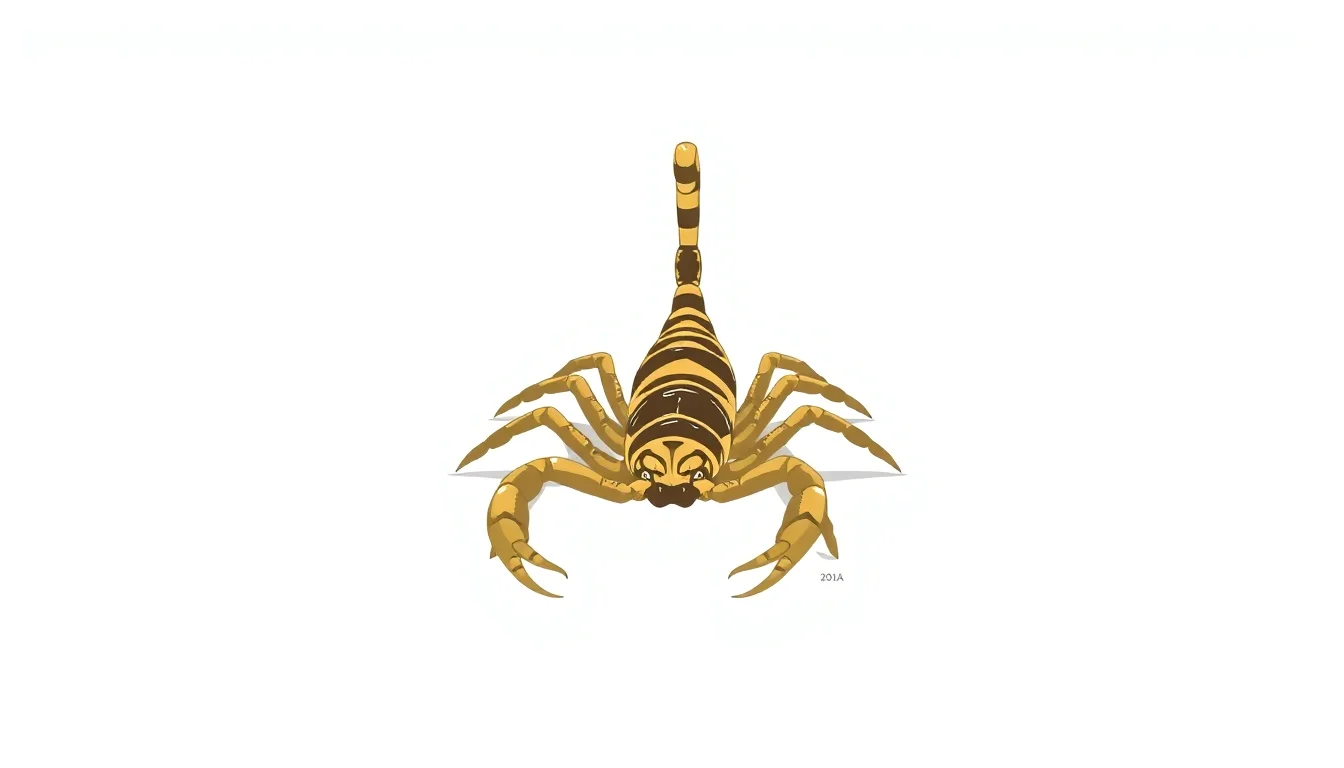
Key identification features of scorpions include their distinctive pincers (chelae), segmented tails (telsons), and body segmentation. The size, color, and shape of these features can vary significantly across species, making them essential for accurate identification. For example, the size of the chelae can indicate the scorpion's hunting strategy. To learn more about identifying different species, check out Scorpion Identification.
📍 Geographic Distribution
Geographic distribution of scorpions is extensive, with species found on every continent except Antarctica. They thrive in diverse habitats, from deserts to rainforests. The highest diversity is observed in tropical regions, particularly in countries like Brazil and Mexico. Understanding where different species are located is crucial for conservation efforts and ecological studies. For more on their habitats, see Scorpion Habitats.
💰 Pricing & Plans for Research
Researching scorpions can involve various costs, especially if you're looking to access academic journals or field studies. Many universities and research institutions offer subscriptions to databases that include scorpion classification research. Additionally, fieldwork can incur travel and equipment costs. For budget-friendly options, consider local universities or online resources. Explore more about funding opportunities in Research Funding.
⭐ What People Say about Scorpion Research
Feedback from researchers and enthusiasts highlights the importance of scorpion classification in understanding biodiversity and ecosystem health. Many appreciate the intricate details involved in identifying species and their behaviors. However, some express frustration over the complexities of taxonomic revisions and the need for updated classifications. For community insights, check out Scorpion Community.
🧪 Practical Tips for Studying Scorpions
For those interested in studying scorpions, practical tips include joining local entomology clubs, participating in field trips, and utilizing online databases for research. Observing scorpions in their natural habitats can provide invaluable insights into their behavior and ecology. Additionally, consider collaborating with experienced researchers to enhance your understanding. For more resources, visit Scorpion Resources.
📞 How to Get Started with Scorpion Classification
To get started with scorpion classification, begin by familiarizing yourself with the basic taxonomy and identification features. Consider enrolling in online courses or workshops offered by entomology societies. Engaging with local experts and participating in citizen science projects can also provide hands-on experience. For a list of upcoming workshops, check out Scorpion Workshops.
Key Facts
- Year
- 2023
- Origin
- Global
- Category
- Biology / Entomology
- Type
- Scientific Classification
Frequently Asked Questions
What are the main families of scorpions?
The main families of scorpions include Buthidae, Scorpionidae, Bothriuridae, and Caraboctonidae. Each family has distinct characteristics, with Buthidae being particularly known for its venomous species. Understanding these families is essential for proper identification and ecological studies.
How do scientists classify scorpions?
Scientists classify scorpions using a hierarchical taxonomic system that includes ranks such as Kingdom, Phylum, Class, Order, Family, Genus, and Species. This system allows for precise communication about different scorpion species and their relationships.
Where can I find scorpions in the wild?
Scorpions can be found in various habitats worldwide, including deserts, forests, and grasslands. They are particularly abundant in tropical regions. To find them, look under rocks, logs, and in burrows during warm evenings.
What resources are available for scorpion research?
Numerous resources are available for scorpion research, including academic journals, online databases, and field guides. Local universities and entomology societies often provide access to valuable information and networking opportunities.
How can I get involved in scorpion classification?
To get involved in scorpion classification, consider joining local entomology clubs, attending workshops, and participating in citizen science projects. Engaging with experts in the field can enhance your learning experience.