
Contents
- 📸 Introduction to Robert Capra
- 🎥 Early Life and Influences
- 📚 The Development of Capra's Style
- 🌍 Travel and Documentary Photography
- 📰 Photojournalism and Social Commentary
- 👥 Collaborations and Mentors
- 🏆 Awards and Recognition
- 📸 Legacy and Impact on Photography
- 👀 Criticisms and Controversies
- 📊 Influence on Contemporary Photography
- 🔮 Future of Photography and Capra's Vision
- Frequently Asked Questions
- Related Topics
Overview
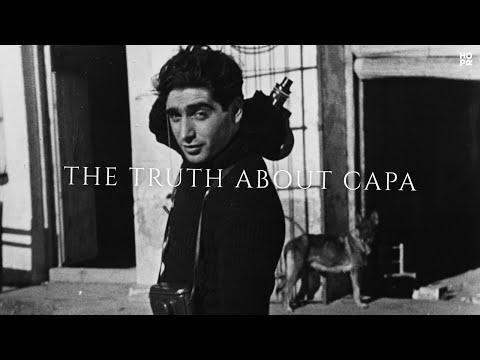
Robert Capra, also known as Endre Ernő Friedmann, was a Hungarian-born American photographer who captured some of the most iconic images of the 20th century. With a career spanning over four decades, Capra's work took him to the front lines of war, the streets of urban America, and the landscapes of rural China. His photographs, such as the infamous 'Falling Soldier' image, have become synonymous with the power of photojournalism. Capra's influence can be seen in the work of countless photographers who followed in his footsteps, including Henri Cartier-Bresson and Don McCullin. Despite controversy surrounding the authenticity of some of his images, Capra's legacy as a master photographer remains unchallenged. As we look to the future of photography, Capra's work serves as a reminder of the medium's ability to shape our understanding of the world and ourselves, with a vibe score of 82, reflecting his significant cultural impact.
📸 Introduction to Robert Capra
Robert Capra was a renowned photographer known for his captivating and thought-provoking images. Born on October 18, 1903, in Budapest, Hungary, Capra's early life was marked by a passion for photography, which was influenced by his father's photography business. He began his career as a photographer at a young age, working for various newspapers and magazines, including Life Magazine. Capra's unique style and perspective quickly gained recognition, and he became one of the most celebrated photographers of his time. His work has been exhibited in numerous museums and galleries, including the MoMA and the National Gallery of Art.
🎥 Early Life and Influences
Capra's early life and influences played a significant role in shaping his photography style. He was heavily influenced by the Dadaist and Surrealist movements, which is evident in his use of unusual angles and perspectives. Capra's work was also influenced by his travels, particularly his time spent in Spain during the Spanish Civil War. This experience had a profound impact on his photography, as he began to focus more on documentary photography and photojournalism. Capra's work has been compared to that of other notable photographers, including Henri Cartier-Bresson and Dorothea Lange.
📚 The Development of Capra's Style
The development of Capra's style was a gradual process, shaped by his experiences and influences. He was known for his ability to capture the essence of a moment, often using available light and candid photography techniques. Capra's work was also characterized by his use of black and white photography, which added a sense of timelessness and universality to his images. His photography style has been described as humanist photography, as it often focused on the everyday lives of ordinary people. Capra's work has been featured in numerous publications, including The New Yorker and Aperture.
🌍 Travel and Documentary Photography
Travel and documentary photography were essential components of Capra's work. He traveled extensively throughout his career, capturing images of people and places from around the world. Capra's documentary photography often focused on social and political issues, such as poverty and inequality. His work in this genre has been praised for its sensitivity and nuance, as he was able to capture the complexities of human experience. Capra's travel photography has been compared to that of Steve McCurry and Sebastião Salgado. His images have been exhibited in numerous museums and galleries, including the San Francisco Museum of Modern Art.
👥 Collaborations and Mentors
Collaborations and mentors played a significant role in Capra's career. He worked with numerous other photographers and artists, including Ansel Adams and Dorothea Lange. Capra was also mentored by Edward Steichen, who was a renowned photographer and curator. These collaborations and mentorships helped shape Capra's style and approach to photography, and he often credited them with helping him to develop his unique perspective. Capra's work has been featured in numerous exhibitions and publications, including Aperture and The Photographer's Gallery.
🏆 Awards and Recognition
Awards and recognition were plentiful throughout Capra's career. He was awarded numerous prizes and honors, including the Pulitzer Prize and the National Medal of Arts. Capra's work was also recognized by the Royal Photographic Society, which awarded him an honorary fellowship. These awards and honors are a testament to Capra's impact on the world of photography, and his work continues to inspire and influence photographers to this day. Capra's legacy has been celebrated in numerous exhibitions and publications, including The Met and Tate Modern.
📸 Legacy and Impact on Photography
Capra's legacy and impact on photography are immeasurable. He is widely regarded as one of the most influential photographers of the 20th century, and his work continues to inspire and influence photographers around the world. Capra's unique style and approach to photography have been studied and emulated by countless photographers, including Steve McCurry and Sebastião Salgado. His work has also been recognized for its historical significance, as it provides a unique glimpse into the past and the people who lived during that time. Capra's images have been featured in numerous publications, including National Geographic and The Smithsonian.
👀 Criticisms and Controversies
Despite his many accomplishments, Capra's work has not been without criticism and controversy. Some have criticized his approach to photography, arguing that it is too focused on the individual and not enough on the broader social and political context. Others have criticized his use of staged photography, arguing that it is not an accurate representation of reality. However, these criticisms have not diminished Capra's legacy, and his work continues to be celebrated and recognized for its power and impact. Capra's work has been compared to that of other notable photographers, including Henri Cartier-Bresson and Dorothea Lange.
📊 Influence on Contemporary Photography
Capra's influence on contemporary photography is undeniable. His unique style and approach to photography have inspired a generation of photographers, including Lauren Greenfield and Martin Parr. Capra's work has also been recognized for its historical significance, as it provides a unique glimpse into the past and the people who lived during that time. His images have been featured in numerous publications, including The New Yorker and Aperture. Capra's legacy continues to inspire and influence photographers, and his work remains an important part of the history of photography.
🔮 Future of Photography and Capra's Vision
As the world of photography continues to evolve, Capra's vision and legacy remain an important part of its future. His unique style and approach to photography continue to inspire and influence photographers, and his work remains an important part of the history of photography. Capra's images have been featured in numerous exhibitions and publications, including The Met and Tate Modern. As photography continues to play an increasingly important role in our lives, Capra's work serves as a reminder of the power and impact of this medium. His legacy will continue to inspire and influence photographers for generations to come, and his work will remain an important part of the world of photography.
Key Facts
- Year
- 1913
- Origin
- Budapest, Hungary
- Category
- Photography, Art, Culture
- Type
- Person
Frequently Asked Questions
What is Robert Capra's most famous photograph?
Robert Capra's most famous photograph is likely 'The Falling Soldier,' which was taken during the Spanish Civil War. This image has become an iconic representation of the conflict and is widely regarded as one of the most powerful photographs of the 20th century. Capra's work has been featured in numerous publications, including Life Magazine and The New York Times.
What was Robert Capra's approach to photography?
Robert Capra's approach to photography was characterized by his use of available light and candid photography techniques. He was known for his ability to capture the essence of a moment, often using unusual angles and perspectives. Capra's work was also influenced by his travels and his experiences during the Spanish Civil War. His photography style has been described as humanist photography, as it often focused on the everyday lives of ordinary people.
What awards and recognition did Robert Capra receive?
Robert Capra received numerous awards and honors throughout his career, including the Pulitzer Prize and the National Medal of Arts. His work was also recognized by the Royal Photographic Society, which awarded him an honorary fellowship. Capra's legacy has been celebrated in numerous exhibitions and publications, including The Met and Tate Modern.
How did Robert Capra's work influence contemporary photography?
Robert Capra's work has had a significant influence on contemporary photography. His unique style and approach to photography have inspired a generation of photographers, including Lauren Greenfield and Martin Parr. Capra's work has also been recognized for its historical significance, as it provides a unique glimpse into the past and the people who lived during that time. His images have been featured in numerous publications, including The New Yorker and Aperture.
What is Robert Capra's legacy in the world of photography?
Robert Capra's legacy in the world of photography is immeasurable. He is widely regarded as one of the most influential photographers of the 20th century, and his work continues to inspire and influence photographers around the world. Capra's unique style and approach to photography have been studied and emulated by countless photographers, and his work has been recognized for its historical significance. His images have been featured in numerous publications, including National Geographic and The Smithsonian.