
Contents
Overview
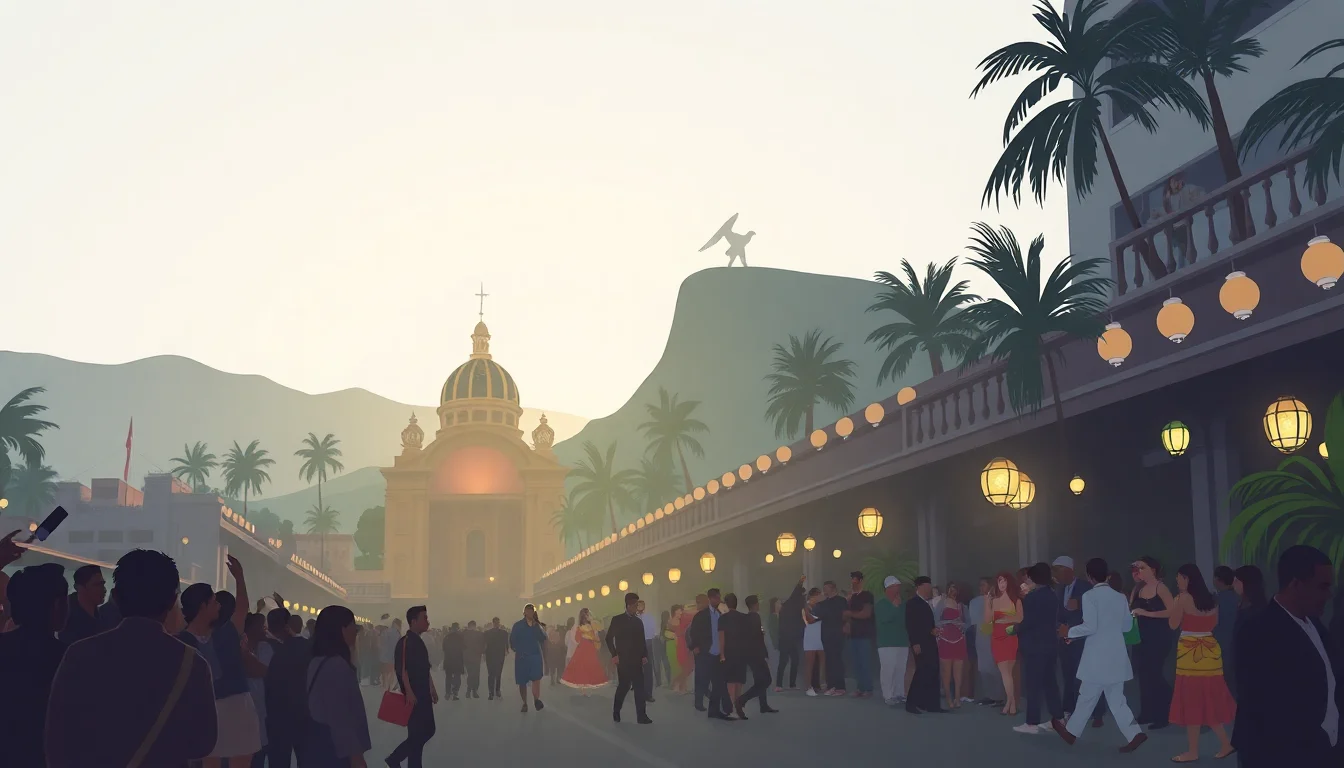
The Rio de Janeiro Carnival, or Carnaval do Rio de Janeiro, is an annual festival held before Lent. It's a cultural explosion, a week-long party that transforms the city into a dazzling spectacle of music, dance, and parades. While often associated with scantily clad dancers and samba rhythms, its roots run deeper, intertwined with religious history, social commentary, and a fierce sense of national identity. The scale is staggering: millions of people, both locals and tourists, descend upon Rio, creating a collective energy that's almost palpable. It's a period of intense joy, creative expression, and a temporary suspension of everyday life.
The modern Carnival is a complex ecosystem. At its heart are the samba school parades in the Sambadrome, a purpose-built stadium designed by Oscar Niemeyer that seats 90,000 spectators. These schools, often representing specific neighborhoods, compete fiercely with elaborate floats, intricate costumes, and original samba songs, all judged on various criteria. Beyond the Sambadrome, the 'blocos' or street parties take over the city, with smaller, often more informal groups parading through neighborhoods, drawing crowds that can swell into the hundreds of thousands. These blocos are the democratic pulse of the Carnival, accessible to everyone and reflecting a diverse range of musical styles and themes, from traditional marches to modern parodies. This dual nature – the grand spectacle and the intimate street celebration – is what makes the Rio Carnival so unique.
However, the Carnival isn't without its tensions. Debates rage about commercialization, the cost of participation for samba schools, and the impact of mass tourism on the city's infrastructure and local communities. There's also the ongoing discussion about authenticity and the preservation of traditional elements amidst evolving trends. Despite these complexities, the sheer exuberance and cultural significance of the Rio Carnival remain undeniable. It's a powerful expression of Brazilian identity, a massive economic driver, and an unforgettable experience for anyone lucky enough to witness it firsthand.
🎭 Origins and Evolution
The origins of Carnival in Rio are a blend of European traditions and African influences. European settlers brought the pre-Lenten festivities, known as 'Entrudo' in Portuguese, which involved boisterous and often messy street games. However, it was the arrival of enslaved Africans and their rich cultural heritage that truly infused Carnival with its distinctive rhythm and soul. The development of samba music and dance, born from Afro-Brazilian communities, became the defining sound and movement of the Rio Carnival. The first samba schools began to emerge in the early 20th century, formalizing the competitive parades that are central to the event today. Early schools like Deixa Falar and Estácio de Sá laid the groundwork for the elaborate competitions we see now, transforming a more chaotic street celebration into a structured, yet still wildly energetic, artistic expression.
🎉 The Spectacle and the Streets
The modern Rio Carnival is a multi-faceted event. The main attraction is the parade competition at the Sambadrome Marquês de Sapucaí, where elite samba schools like Portela, Salgueiro, and Imperatriz Leopoldinense present meticulously crafted performances. Each school has a theme ('enredo'), and their parade is a narrative told through hundreds of dancers in stunning costumes, massive floats, and a powerful percussion section known as the 'bateria'. Beyond the Sambadrome, thousands of 'blocos' (street bands) and 'cordões' (carnival clubs) host free, public parties across the city's neighborhoods. These range from tiny, intimate gatherings to massive events like 'Cordão da Bola Preta', which can draw over a million revelers, offering a more spontaneous and participatory experience.
🗣️ Reception and Controversy
The reception of the Rio Carnival is overwhelmingly positive, with millions flocking to the city each year. It's a critical component of Brazil's tourism industry, generating billions of dollars in revenue. Critically, the samba school competitions are judged on criteria including theme development, musicality, costumes, floats, and overall harmony, with winners often celebrated as national heroes. However, controversies do arise. Concerns about the increasing commercialization and corporate sponsorship, the immense costs involved for samba schools, and the strain on Rio's infrastructure and public services are frequently debated. There are also ongoing discussions about the representation of marginalized communities within the grand spectacle and the potential for cultural appropriation.
🌍 Global Impact and Legacy
The legacy of the Rio Carnival extends far beyond its annual occurrence. It has become a global symbol of Brazilian culture, influencing music, dance, and festival traditions worldwide. The visual spectacle, particularly the vibrant costumes and the energetic samba performances, has inspired countless films, documentaries, and artistic works. The model of large-scale, community-based parade competitions has been emulated in other cities. Furthermore, the Carnival serves as a vital platform for social commentary and cultural preservation, allowing communities to express their identity and narratives on a grand stage. Its enduring appeal continues to draw international attention, solidifying its place as one of the world's most significant and vibrant cultural events.
Key Facts
- Year
- Annual, before Lent
- Origin
- Brazil
- Category
- videos
- Type
- event
Frequently Asked Questions
When exactly does Rio Carnival take place?
Carnival officially begins on the Friday before Ash Wednesday and lasts until Ash Wednesday itself. The main parades in the Sambadrome usually occur on Sunday and Monday nights of that weekend, with blocos happening throughout the week.
Is Rio Carnival just about the samba parades?
No, while the Sambadrome parades are a major highlight, the 'blocos' or street parties are equally significant. They offer a more accessible, participatory, and diverse experience across the city's neighborhoods.
How can I attend or participate in Rio Carnival?
For the Sambadrome parades, tickets must be purchased in advance. For blocos, participation is generally free – just find a bloco in a neighborhood and join the crowd and the music.
Is Rio Carnival safe for tourists?
Like any major event with large crowds, it's important to be aware of your surroundings and take precautions against pickpocketing. Stick to well-known areas and blocos, and avoid displaying excessive wealth. Official tourist information centers can provide safety tips.