
Contents
- 🎨 Origins & History
- ⚙️ How It Works
- 📊 Key Facts & Numbers
- 👥 Key People & Organizations
- 🌍 Cultural Impact & Influence
- ⚡ Current State & Latest Developments
- 🤔 Controversies & Debates
- 🔮 Future Outlook & Predictions
- 💡 Practical Applications
- 📚 Related Topics & Deeper Reading
- Frequently Asked Questions
- References
- Related Topics
Overview
The resistor color code is a widely used standard for indicating the values or ratings of electronic components, particularly resistors. Developed in the 1920s by the Radio Manufacturers Association (RMA), now known as the Electronic Components Industry Association (ECIA), this code uses a series of colored bands to denote resistance values, tolerance, and reliability. With the rise of electronics, understanding the resistor color code has become essential for engineers, hobbyists, and manufacturers alike. The code is used globally, with standards maintained by organizations such as the International Electrotechnical Commission (IEC) and the American National Standards Institute (ANSI). As of 2022, the resistor color code remains a fundamental aspect of electronic design and manufacturing, with applications in fields like robotics, automotive electronics, and consumer electronics. For instance, companies like Intel and Texas Instruments rely heavily on the resistor color code in their product development. The code's significance extends beyond the electronics industry, with implications for innovation, safety, and efficiency in various sectors.
🎨 Origins & History
The resistor color code has its roots in the early 20th century, when the need for a standardized system to identify electronic components arose. In the 1920s, the Radio Manufacturers Association (RMA) developed the first color code, which was later adopted by the Electronic Components Industry Association (ECIA). The code was designed to be simple, yet informative, using a series of colored bands to denote resistance values, tolerance, and reliability. Over the years, the code has undergone several revisions, with the most recent update being the IEC 60062:2016 standard. This standard is widely adopted by manufacturers, including Samsung and Google, and is used in various applications, such as IoT devices and electric vehicles.
⚙️ How It Works
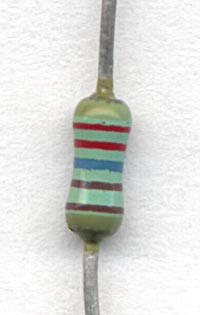
The resistor color code works by using a series of colored bands to represent different values. The code consists of four bands: the first two bands represent the significant figures, the third band represents the multiplier, and the fourth band represents the tolerance. For example, a resistor with the color code 'brown, black, red, gold' would have a resistance value of 1000 ohms, with a tolerance of 5%. The code is used for a wide range of components, including resistors, capacitors, and inductors. Understanding the code is essential for engineers and technicians, who use it to design and manufacture electronic circuits. Companies like IBM and Microsoft rely on the resistor color code in their research and development processes.
📊 Key Facts & Numbers
The resistor color code is used globally, with millions of components being manufactured every year. According to the IEC, the code is used in over 90% of all electronic components. The code is also widely used in the telecommunications industry, with companies like AT&T and Verizon using it to identify wires in telecommunications cables. In 2020, the global resistor market was valued at over $1.2 billion, with the color code playing a crucial role in the industry. The code's impact extends beyond the electronics industry, with applications in fields like renewable energy and medical devices.
👥 Key People & Organizations
The development and maintenance of the resistor color code involve several key people and organizations. The Electronic Components Industry Association (ECIA) plays a crucial role in maintaining the standard, while organizations like the International Electrotechnical Commission (IEC) and the American National Standards Institute (ANSI) provide guidance and support. Individuals like Nicholas Butler, who developed the first color code, have made significant contributions to the field. Companies like 3M and Honeywell also contribute to the development of the resistor color code through their research and innovation efforts.
🌍 Cultural Impact & Influence
The resistor color code has had a significant impact on the electronics industry, with far-reaching consequences for innovation, safety, and efficiency. The code has enabled the mass production of electronic components, making it possible to manufacture complex devices like smartphones and computers. The code has also played a crucial role in the development of new technologies, such as artificial intelligence and Internet of Things. As the electronics industry continues to evolve, the resistor color code remains an essential tool for engineers and manufacturers. The code's influence extends beyond the electronics industry, with implications for fields like education and environmental sustainability.
⚡ Current State & Latest Developments
As of 2022, the resistor color code remains a widely used standard in the electronics industry. The code is constantly evolving, with new revisions and updates being released regularly. The IEC 60062:2016 standard is the most recent update, which includes new codes for high-voltage resistors and updated tolerance values. Companies like Amazon and Facebook are using the resistor color code in their product development, highlighting the code's ongoing relevance. The code's current state is characterized by its widespread adoption, with ongoing efforts to improve its accuracy and efficiency.
🤔 Controversies & Debates
Despite its widespread use, the resistor color code is not without controversy. Some critics argue that the code is outdated and should be replaced with a more modern system. Others argue that the code is too complex and difficult to understand. However, proponents of the code argue that it is a well-established standard that has been proven to be effective. The debate surrounding the resistor color code highlights the ongoing challenges and opportunities in the electronics industry. For instance, the code's limitations have led to the development of alternative coding systems, such as the binary code used in computer programming.
🔮 Future Outlook & Predictions
As the electronics industry continues to evolve, the resistor color code is likely to remain an essential tool for engineers and manufacturers. The code will continue to play a crucial role in the development of new technologies, such as quantum computing and 5G networks. However, the code may also face challenges, such as the need for more precise and accurate coding systems. As the industry continues to innovate, the resistor color code will need to adapt to meet the changing needs of manufacturers and engineers. Companies like Tesla and NVIDIA are already exploring new applications for the resistor color code, highlighting its potential for future growth.
💡 Practical Applications
The resistor color code has a wide range of practical applications, from designing and manufacturing electronic circuits to identifying components in telecommunications cables. The code is used in a variety of industries, including aerospace, automotive, and consumer electronics. Understanding the code is essential for engineers and technicians, who use it to design and manufacture complex devices. The code is also used in educational settings, such as universities and technical schools, to teach students about electronic components and circuits. For example, the code is used in Arduino and Raspberry Pi projects, highlighting its relevance to makers and hobbyists.
Key Facts
- Year
- 1920s
- Origin
- United States
- Category
- technology
- Type
- concept
Frequently Asked Questions
What is the resistor color code?
The resistor color code is a standard for indicating the values or ratings of electronic components, particularly resistors. It uses a series of colored bands to denote resistance values, tolerance, and reliability. The code is widely used in the electronics industry, with applications in fields like robotics and automotive electronics.
How does the resistor color code work?
The resistor color code works by using a series of colored bands to represent different values. The code consists of four bands: the first two bands represent the significant figures, the third band represents the multiplier, and the fourth band represents the tolerance. For example, a resistor with the color code 'brown, black, red, gold' would have a resistance value of 1000 ohms, with a tolerance of 5%. The code is used in various applications, including consumer electronics and industrial automation.
What are the benefits of the resistor color code?
The resistor color code has several benefits, including standardization, simplicity, and efficiency. The code enables the mass production of electronic components, making it possible to manufacture complex devices like smartphones and computers. The code also plays a crucial role in the development of new technologies, such as artificial intelligence and Internet of Things. Companies like Google and Amazon rely on the resistor color code in their product development, highlighting its significance in the industry.
What are the limitations of the resistor color code?
The resistor color code has several limitations, including complexity and difficulty in understanding. Some critics argue that the code is outdated and should be replaced with a more modern system. However, proponents of the code argue that it is a well-established standard that has been proven to be effective. The debate surrounding the resistor color code highlights the ongoing challenges and opportunities in the electronics industry. For instance, the code's limitations have led to the development of alternative coding systems, such as the binary code used in computer programming.
How is the resistor color code used in practice?
The resistor color code is used in a wide range of practical applications, from designing and manufacturing electronic circuits to identifying components in telecommunications cables. The code is used in various industries, including aerospace, automotive, and consumer electronics. Understanding the code is essential for engineers and technicians, who use it to design and manufacture complex devices. The code is also used in educational settings, such as universities and technical schools, to teach students about electronic components and circuits. For example, the code is used in Arduino and Raspberry Pi projects, highlighting its relevance to makers and hobbyists.
What is the future of the resistor color code?
The resistor color code is likely to remain an essential tool for engineers and manufacturers in the future. The code will continue to play a crucial role in the development of new technologies, such as quantum computing and 5G networks. However, the code may also face challenges, such as the need for more precise and accurate coding systems. As the industry continues to innovate, the resistor color code will need to adapt to meet the changing needs of manufacturers and engineers. Companies like Tesla and NVIDIA are already exploring new applications for the resistor color code, highlighting its potential for future growth.
How does the resistor color code relate to other coding systems?
The resistor color code is related to other coding systems, such as the binary code used in computer programming. Understanding the resistor color code is essential for anyone working in the electronics industry, from engineers and technicians to manufacturers and designers. The code's connections to other topics highlight its significance in the broader context of technology and innovation. For instance, the code's relationship to materials science and nanotechnology underscores its importance in the development of new materials and technologies.