
Contents
Overview
The concept of renewable energy dates back to the 1970s, when scientists like Amory Lovins and organizations like the National Renewable Energy Laboratory (NREL) began exploring alternatives to fossil fuels. Today, companies like Google, Amazon, and Microsoft are investing heavily in renewable energy, with Google aiming to power 100% of its operations with renewable energy by 2025. The cost of renewable energy technologies, such as solar panels and wind turbines, has decreased dramatically over the years, making them more competitive with fossil fuels. For example, the cost of solar energy has fallen by over 70% in the last decade, according to data from the Solar Energy Industries Association (SEIA).
⚙️ How It Works
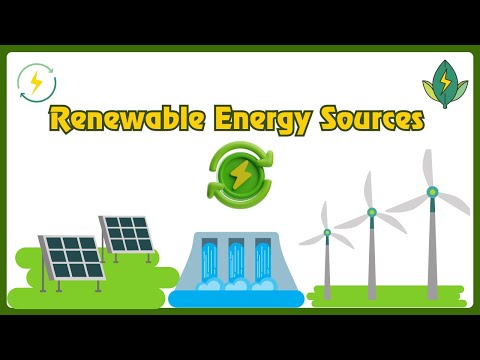
Renewable energy sources work by harnessing the power of nature to generate electricity. Solar power, for instance, uses photovoltaic (PV) cells to convert sunlight into electricity, while wind energy uses turbines to convert wind kinetic energy into electricity. Hydroelectric power, on the other hand, uses the energy of moving water to generate electricity. Companies like GE Renewable Energy, Goldwind, and Suzlon are leading the development of these technologies. According to the National Oceanic and Atmospheric Administration (NOAA), the United States has the potential to generate over 10,000 GW of wind energy, enough to power over 80% of the country's electricity demand.
🌍 Cultural Impact
The cultural impact of renewable energy sources cannot be overstated. The shift towards renewable energy has created new job opportunities, stimulated local economies, and inspired a new generation of environmental activists. Organizations like the Sierra Club, the Nature Conservancy, and the World Wildlife Fund (WWF) are working tirelessly to promote the adoption of renewable energy sources. For example, the Sierra Club's 'Ready for 100' campaign has helped over 100 cities in the United States commit to transitioning to 100% renewable energy. Additionally, the rise of renewable energy has also led to the development of new technologies, such as energy storage systems and smart grids, which are being developed by companies like Tesla, Sonnen, and Schneider Electric.
🔮 Legacy & Future
The future of renewable energy sources looks bright, with many experts predicting that they will become the dominant source of energy in the coming decades. Governments around the world, including the European Union, China, and the United States, are setting ambitious targets to increase the share of renewable energy in their energy mixes. Companies like Facebook, Apple, and Walmart are also making significant investments in renewable energy, with Facebook aiming to power 100% of its operations with renewable energy by 2020. According to the IEA, the world will need to invest over $1 trillion in renewable energy by 2050 to meet the goals of the Paris Agreement. However, the benefits of renewable energy, including reduced greenhouse gas emissions and improved air quality, make it a worthwhile investment.
Key Facts
- Year
- 2020
- Origin
- Global
- Category
- science
- Type
- concept
Frequently Asked Questions
What are the benefits of renewable energy?
The benefits of renewable energy include reduced greenhouse gas emissions, improved air quality, and enhanced energy security. According to the US Department of Energy, widespread adoption of renewable energy could reduce carbon emissions by up to 80% by 2050. Additionally, renewable energy can create jobs and stimulate local economies, as seen in the growth of the solar and wind industries in countries like Germany and Denmark.
What are the challenges of renewable energy?
The challenges of renewable energy include high upfront costs, intermittency, and energy storage. However, the cost of renewable energy technologies is decreasing rapidly, making them more competitive with fossil fuels. For example, the cost of solar energy has fallen by over 70% in the last decade, according to data from the Solar Energy Industries Association (SEIA). Additionally, companies like Tesla and Sonnen are developing innovative energy storage solutions to address the intermittency of renewable energy sources.
What is the current state of renewable energy?
The current state of renewable energy is one of rapid growth and increasing adoption. According to the IEA, renewable energy accounted for 26% of global electricity generation in 2020, with solar and wind energy being the fastest-growing sources. Governments and companies around the world are setting ambitious targets to increase the share of renewable energy in their energy mixes, with many aiming to reach 100% renewable energy by 2050.
What is the future of renewable energy?
The future of renewable energy looks bright, with many experts predicting that it will become the dominant source of energy in the coming decades. The IEA predicts that renewable energy will account for over 60% of global electricity generation by 2050, with solar and wind energy being the leading sources. Additionally, the development of new technologies, such as floating wind turbines and advanced solar panels, will continue to drive down costs and increase efficiency.
How can I invest in renewable energy?
There are many ways to invest in renewable energy, including investing in renewable energy companies, such as Vestas and Siemens Gamesa, or purchasing renewable energy credits (RECs). Additionally, individuals can invest in community solar programs or crowdfunding platforms, such as Kickstarter and Indiegogo, to support the development of new renewable energy projects. For example, the crowdfunding platform, Kickstarter, has funded over 100 renewable energy projects, including solar and wind farms, since its launch in 2009.