
Contents
- 🎵 Origins & History
- ⚙️ How It Works
- 📊 Key Facts & Numbers
- 👥 Key People & Organizations
- 🌍 Cultural Impact & Influence
- ⚡ Current State & Latest Developments
- 🤔 Controversies & Debates
- 🔮 Future Outlook & Predictions
- 💡 Practical Applications
- 📚 Related Topics & Deeper Reading
- Frequently Asked Questions
- References
- Related Topics
Overview
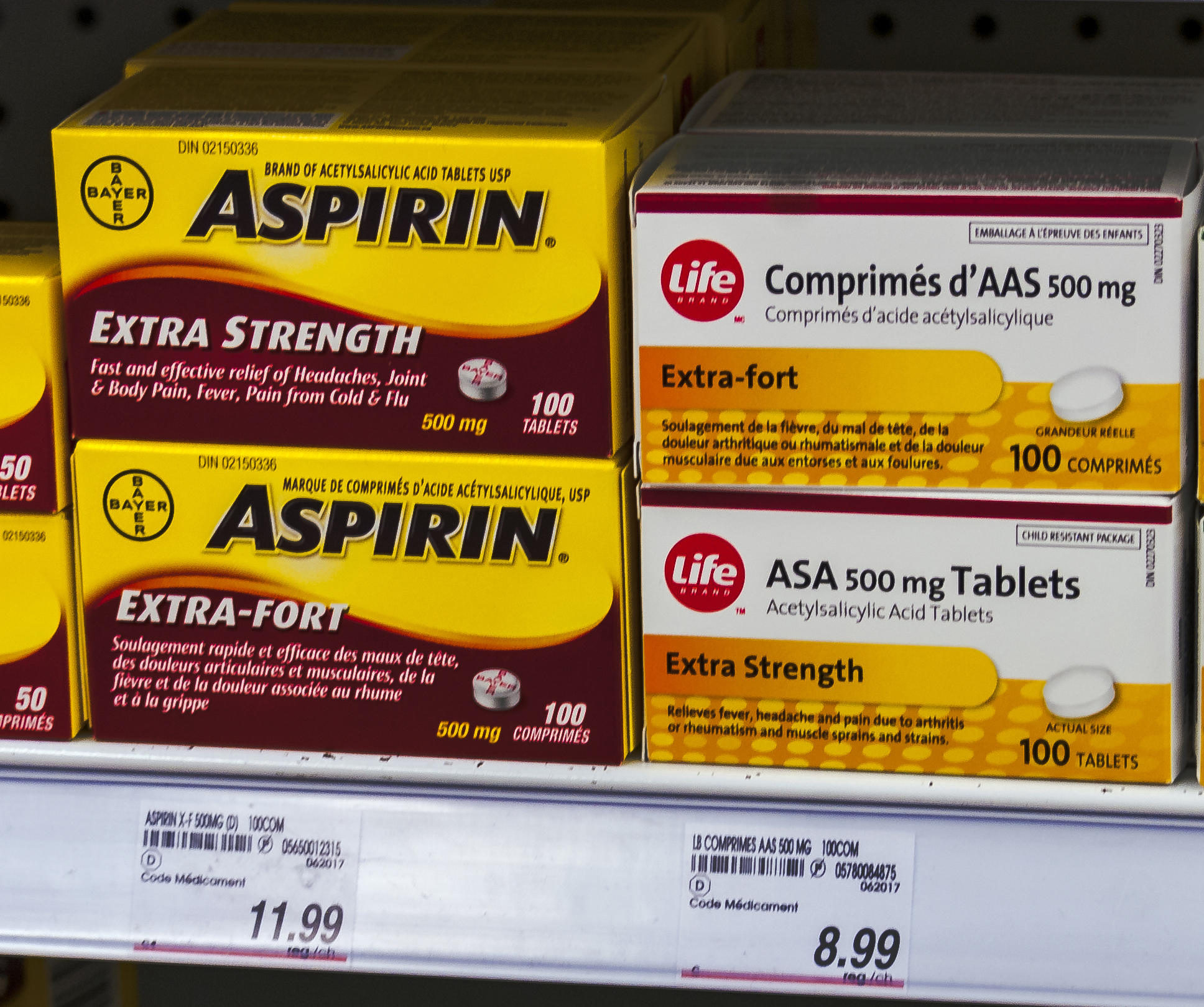
Private label manufacturing is the backbone of countless brands, enabling companies to sell products designed and produced by another entity under their own brand name. This model allows retailers and other businesses to bypass the complexities of in-house production, focusing instead on marketing, distribution, and customer engagement. The global private label market is colossal, with estimates suggesting it accounts for a significant portion of total retail sales, often exceeding 20% in developed economies and showing robust growth worldwide. Key players range from massive supermarket chains like Walmart and Kroger with their ubiquitous store brands like Great Value and Simple Truth, to niche e-commerce brands and even established companies seeking to expand their product lines without investing in new factories. The process typically involves a brand owner specifying product requirements, and a contract manufacturer producing it, often with strict confidentiality agreements. This symbiotic relationship fuels innovation and competition, challenging traditional national brands and offering consumers more choice and value.
🎵 Origins & History
The concept of manufacturing goods for another entity to brand and sell is as old as trade itself, but modern private label manufacturing truly took root with the rise of department stores and mass retail in the late 19th and early 20th centuries. Early pioneers like Sears, Roebuck and Co. leveraged their extensive catalogs and burgeoning retail networks to offer "store brands" that provided a more affordable alternative to established national brands. This strategy allowed them to control quality, pricing, and inventory more effectively. The post-World War II era saw an explosion in consumerism and the proliferation of supermarkets, which further cemented the importance of private labels. Retailers like A&P and Safeway began developing their own branded products to capture greater profit margins and foster customer loyalty, often contracting with specialized manufacturers who remained largely anonymous. The globalization of supply chains in the late 20th century, particularly the shift of manufacturing to Asia, dramatically expanded the capabilities and reach of private label production.
⚙️ How It Works
At its core, private label manufacturing is a business-to-business (B2B) service where a brand owner (the "client") contracts with a third-party manufacturer (the "supplier") to produce goods that the client will then sell under its own brand. The process typically begins with the client defining product specifications, including ingredients, materials, design, packaging, and quality standards. The manufacturer then uses its expertise and production facilities to create the product. This can range from simple relabeling of existing products to entirely custom formulations or designs. Crucially, the manufacturer typically does not own the brand or intellectual property associated with the final product; that remains with the client. Contracts often include strict non-disclosure agreements (NDAs) to protect the client's proprietary information and brand identity, ensuring the manufacturer cannot sell the same product under their own name or to direct competitors. This model allows brands to scale rapidly without the massive capital investment required for building and operating their own factories, a strategy exemplified by many direct-to-consumer (DTC) brands on platforms like Shopify.
📊 Key Facts & Numbers
The sheer scale of private label manufacturing is staggering. In the United States, private label products accounted for approximately 20% of all retail sales in 2023, a figure that has steadily climbed over the past two decades, reaching an estimated $200 billion annually. Globally, the private label market is projected to exceed $1.5 trillion by 2027, driven by increasing consumer trust and demand for value. In Europe, private labels often command an even larger market share, sometimes exceeding 30% in countries like Switzerland and Spain. For instance, Aldi Nord and Aldi Süd derive a vast majority of their revenue from their own private label brands. The average profit margin for private label goods can be 10-15% higher than for national brands, making them incredibly attractive to retailers. Furthermore, the number of SKUs (Stock Keeping Units) offered under private labels has grown by an average of 5% year-over-year across major retail categories, from groceries to electronics.
👥 Key People & Organizations
While the manufacturers themselves often remain anonymous, the brands that leverage private label production are household names. Retail giants like Walmart, Costco Wholesale, and Target are massive players, with their private labels like Kirkland Signature (Costco) and Up & Up (Target) generating billions in revenue. Emerging DTC companies, often founded by entrepreneurs like Emily Weiss (Glossier, though their manufacturing is complex), rely heavily on contract manufacturers to bring their vision to market quickly. Major contract manufacturers, though often less visible, are critical. Companies like Flex Ltd. (formerly Flextronics) and Jabil Inc. are giants in electronics manufacturing, producing for numerous private label clients. In the food sector, companies like TreeHouse Foods are dedicated private label manufacturers, serving a wide array of grocery chains. The role of sourcing agents and third-party quality assurance firms, such as Intertek, is also crucial in bridging the gap between brands and manufacturers.
🌍 Cultural Impact & Influence
Private label manufacturing has fundamentally reshaped the retail landscape and consumer behavior. It democratized brand ownership, allowing smaller businesses and retailers to compete with established national brands by offering comparable quality at lower price points. This has led to increased consumer choice and price competition, often driving down prices across entire product categories. The rise of private labels has also fostered a perception that "store brands" are no longer just budget options but can be as good as, or even better than, their national counterparts, a sentiment amplified by successful brands like Whole Foods Market's 365 brand. Furthermore, it has enabled rapid trend adoption; a new ingredient or style can quickly appear under multiple private labels as manufacturers adapt to market demands. The influence extends to e-commerce, where platforms like Amazon itself has a vast portfolio of private label brands, directly competing with third-party sellers on its own marketplace.
⚡ Current State & Latest Developments
The private label sector is experiencing unprecedented growth and evolution in 2024-2025. The lingering effects of supply chain disruptions from the COVID-19 pandemic have highlighted the resilience and strategic importance of diversified manufacturing bases, leading many brands to re-evaluate their reliance on single regions. There's a significant push towards sustainability and ethical sourcing, with consumers increasingly demanding transparency in manufacturing processes, from ingredient sourcing to labor practices. This is driving demand for manufacturers who can meet stringent environmental, social, and governance (ESG) standards. AI and automation are also playing a larger role, with manufacturers investing in smart factories to improve efficiency, quality control, and customization capabilities. The DTC boom continues to fuel demand, with new brands launching weekly, all seeking reliable manufacturing partners. For example, the beauty and personal care sector, a hotbed for private label innovation, sees constant new entrants leveraging contract manufacturers like Cosmax and Kolmar Korea.
🤔 Controversies & Debates
The most persistent controversy surrounding private label manufacturing centers on intellectual property and quality control. Critics argue that some manufacturers may replicate successful product formulations or designs for other clients, leading to brand dilution or outright infringement. The "race to the bottom" in pricing can also lead to compromises on quality, safety, or ethical labor practices, particularly when sourcing from regions with less stringent regulations. The anonymity of manufacturers can make accountability difficult when issues arise. Furthermore, the increasing dominance of private labels, especially from large retailers, raises antitrust concerns, as these giants can leverage their market power to squeeze out smaller brands and independent manufacturers. The ethical implications of using potentially exploitative labor in the pursuit of lower costs remain a significant point of contention, as highlighted by various investigative reports into factory conditions in Southeast Asia and other manufacturing hubs.
🔮 Future Outlook & Predictions
The future of private label manufacturing appears robust, driven by ongoing consumer demand for value and choice, coupled with technological advancements. We can expect a continued emphasis on sustainability and traceability, with blockchain technology potentially playing a larger role in verifying supply chain integrity. The rise of hyper-personalization, enabled by AI and advanced manufacturing techniques, will allow brands to offer even more customized products through private label channels. Geopolitical shifts may lead to a more regionalized manufacturing approach, with brands diversifying their supplier base to mitigate risks. The lines between traditional national brands and private labels will continue to blur, with many private labels achieving premium status and strong brand loyalty. Expect to see more sophisticated product development and innovation coming directly from private label manufacturers themselves, rather than solely being dictated by brand owners. The integration of smart manufacturing and Industry 4.0 principles will further optimize production and reduce lead times.
💡 Practical Applications
Private label manufacturing is not just for retailers; its applications are incredibly diverse. In the food and beverage industry, it's how supermarkets offer everything from milk and bread to gourmet meals. The cosmetics and personal care sector thrives on private labels, allowing beauty brands to launch new products rapidly without massive R&D investment. Electronics manufacturers produce everything from headphones and smart home devices to components for larger brands. Apparel and fashion brands often use contract manufacturers to produce clothing lines, from fast fashion to higher-end collections. Pharmaceutical companies utilize private label manufacturing for over-the-counter medications and generic drugs. Even in the automotive industry, many components and accessories are produced by specialized third-party manufacturers for various car brands. The core application is enabling any business to expand its product offerings efficiently and cost-effectively.
Key Facts
- Year
- Late 19th Century - Present
- Origin
- Global (modern form popularized in the United States and Europe)
- Category
- technology
- Type
- concept
Frequently Asked Questions
What is the fundamental difference between private label and white label manufacturing?
The key distinction lies in ownership and specification. In private label manufacturing, the client brand dictates the product's specifications, and the manufacturer produces it exclusively for that brand, which then owns the brand name. In white label manufacturing, the manufacturer develops a standardized product that multiple clients can then brand and sell as their own, often with minimal customization. Think of private label as a custom-tailored suit made for one person, while white label is an off-the-rack suit that many people can buy and put their own label on.
Why do companies choose private label manufacturing instead of producing their own goods?
Companies opt for private label manufacturing primarily to reduce capital expenditure and operational complexity. Building and maintaining factories requires enormous investment in equipment, labor, and real estate. By outsourcing production, brands can focus their resources on marketing, sales, and customer experience, while leveraging the manufacturer's existing infrastructure and expertise. This allows for faster scaling, greater product line diversification, and often, higher profit margins compared to selling products from other established brands.
What are the biggest risks associated with private label manufacturing?
The primary risks involve quality control and intellectual property. Ensuring consistent product quality that meets brand standards can be challenging, especially with distant manufacturers. There's also the risk of IP theft, where manufacturers might replicate product designs or formulations for other clients. Supply chain disruptions, geopolitical instability, and ethical concerns regarding labor practices and environmental impact are also significant risks that brands must actively manage through rigorous vetting and oversight of their manufacturing partners.
How has globalization impacted private label manufacturing?
Globalization has been a massive driver for private label manufacturing, particularly the shift of production to countries with lower labor costs, such as China, Vietnam, and India. This allowed brands to significantly reduce manufacturing expenses, making private label products more competitive. It also expanded the range of products that could be economically produced under private labels, from electronics and apparel to complex machinery. However, recent global events have also exposed the vulnerabilities of highly globalized supply chains, prompting a re-evaluation and diversification of manufacturing locations.
Can a small business or startup successfully use private label manufacturing?
Absolutely. Private label manufacturing is often more accessible to small businesses and startups than large corporations. Many contract manufacturers cater to smaller order volumes, allowing new entrepreneurs to launch their own branded products without needing substantial upfront capital for factory setup. Platforms like Alibaba.com have made it easier to find and connect with manufacturers globally. The key for startups is thorough research, clear communication of specifications, and rigorous quality assurance to build a reliable supply chain from the outset.
What are the profit margins like for private label products?
Profit margins for private label products are generally higher than for national brands, often by 10-15%. This is because retailers or brands bypass the significant marketing and distribution costs associated with national brands, and they often negotiate favorable pricing directly with manufacturers. For example, a supermarket selling its own brand of cereal might achieve a 30-40% gross margin, whereas a well-known national cereal brand sold in the same store might only yield a 15-20% margin for the retailer. This higher profitability is a major incentive for businesses to develop and promote their private labels.
What role does technology play in modern private label manufacturing?
Technology is revolutionizing private label manufacturing. Automation and robotics are increasing efficiency and precision on production lines. Artificial intelligence (AI) is being used for predictive maintenance, quality control through computer vision, and optimizing production schedules. 3D printing is enabling rapid prototyping and even small-batch custom production. IoT devices in factories allow for real-time monitoring of equipment and processes, enhancing transparency and enabling smart manufacturing. These advancements help manufacturers meet increasingly complex demands for customization, speed, and quality from their brand clients.