
Contents
Overview
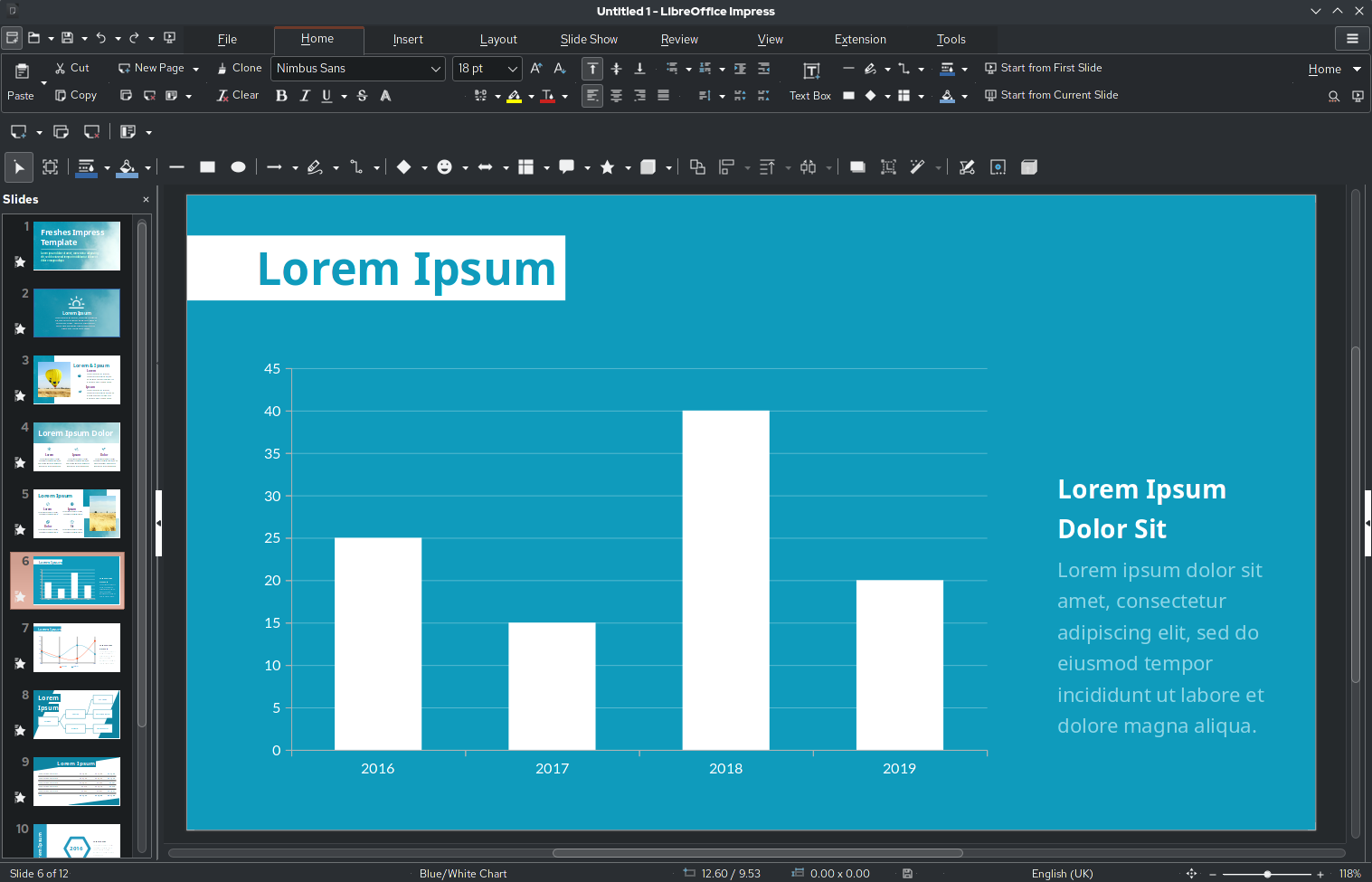
Presentation software is a digital tool designed to craft and deliver information through a sequence of visual displays, commonly known as slides. These applications integrate text editing, image and media manipulation, and a slideshow playback system, fundamentally altering how knowledge is shared in business, academia, and public discourse. Originating from early digital slide creation tools, it has evolved into a sophisticated medium that shapes communication culture, enabling complex narratives and data visualization. The pervasive use of presentation software, from corporate strategy sessions to academic conferences, underscores its role in the modern knowledge economy, where persuasive delivery is as crucial as the content itself. Its evolution mirrors broader technological advancements, incorporating multimedia, interactivity, and cloud-based collaboration, making it an indispensable component of professional and educational life.
🎵 Origins & History
Presentation software functions by allowing users to create discrete 'slides' that serve as canvases for information. Each slide typically comprises a title, body text, and visual elements such as images, charts, graphs, and embedded media like videos or audio clips. Users interact with a WYSIWYG (What You See Is What You Get) editor, often employing templates and master slides for design consistency across a presentation. The software provides tools for formatting text, arranging objects, and applying transitions between slides and animations within slides to enhance engagement. During playback, the software sequences these slides, allowing for manual advancement by the presenter or automated timing, transforming static content into a dynamic narrative flow for an audience.
⚙️ How It Works
The TED Talk format, heavily reliant on minimalist, impactful slides, has become a global phenomenon, influencing how ideas are disseminated across countless fields. This digital medium has fostered a culture of visual storytelling, where compelling graphics and concise text often take precedence over dense paragraphs. The ubiquity of platforms like Microsoft PowerPoint in corporate settings has led to the term 'Death by PowerPoint,' highlighting the potential for poorly designed presentations to disengage audiences. Conversely, well-crafted presentations can inspire action, clarify complex data, and foster widespread adoption of new ideas, demonstrating its potent cultural influence.
📊 Key Facts & Numbers
Google Slides continues to gain ground due to its accessibility and real-time collaboration features, particularly within educational institutions and startups. Microsoft PowerPoint remains the enterprise standard, with ongoing updates focusing on AI-powered design suggestions and enhanced multimedia integration within Microsoft 365. Newer entrants like Canva.com are challenging traditional software by offering user-friendly interfaces and a vast library of templates and design assets, appealing to a broader, less technically inclined user base. The integration of AI for content generation and design assistance is a major trend, seen in features like Microsoft Designer's AI capabilities.
👥 Key People & Organizations
A significant controversy surrounds the pedagogical effectiveness of presentation software, particularly PowerPoint, in educational settings. Critics argue that its linear, slide-based structure can oversimplify complex topics and discourage critical thinking, leading to rote memorization rather than deep understanding. The phenomenon of 'Death by PowerPoint' also points to the potential for poorly designed presentations to bore or alienate audiences, a critique often leveled at corporate training and academic lectures. Furthermore, debates persist regarding the ethical implications of using highly polished, persuasive presentations to mask weak arguments or manipulate public opinion, particularly in political contexts.
🌍 Cultural Impact & Influence
The future of presentation software is inextricably linked to advancements in artificial intelligence and immersive technologies. Expect AI to play an even larger role, moving beyond design suggestions to automatically generating entire presentations from prompts or outlines, summarizing key points, and even tailoring content to specific audience profiles. Integration with Virtual Reality and Augmented Reality platforms could usher in a new era of 'spatial presentations,' where presenters and audiences interact with 3D models and virtual environments. Tools will likely become more dynamic, incorporating live data feeds, interactive polls, and personalized content delivery, blurring the lines between presentation software and interactive dashboards or immersive experiences.
Key Facts
- Category
- technology
- Type
- topic