
Contents
Overview
Pollinators are animals, primarily insects but also including birds, bats, and other vertebrates, responsible for transferring pollen between flowers, a critical step in plant reproduction. This process is fundamental to the production of fruits, seeds, and nuts, directly impacting human food supplies and the health of ecosystems worldwide. While bees are the most recognized pollinators, a vast array of species, from tiny flies to specialized hummingbirds, play vital roles. Their decline, driven by habitat loss, pesticide use, and climate change, poses a significant threat to biodiversity and agriculture, making their conservation a global priority. The intricate relationship between plants and their pollinators is a cornerstone of life on Earth, with an estimated 75% of the world's flowering plants relying on them for reproduction.
🎵 Origins & History
Early angiosperms likely relied on primitive insects, such as beetles, for pollen transfer, a process documented in fossilized amber inclusions. Over millennia, co-evolutionary arms races led to the diversification of both plants and their animal vectors. The development of specialized floral structures, scents, and rewards like nectar drove the evolution of specific pollinator groups. Ancient Egyptian hieroglyphs depicted bee-keeping and pollination practices. The scientific understanding of pollination mechanisms began to solidify during the Enlightenment, with botanists like Carl Linnaeus classifying flowers and their reproductive parts, laying the groundwork for later investigations into the role of insects.
⚙️ How It Works
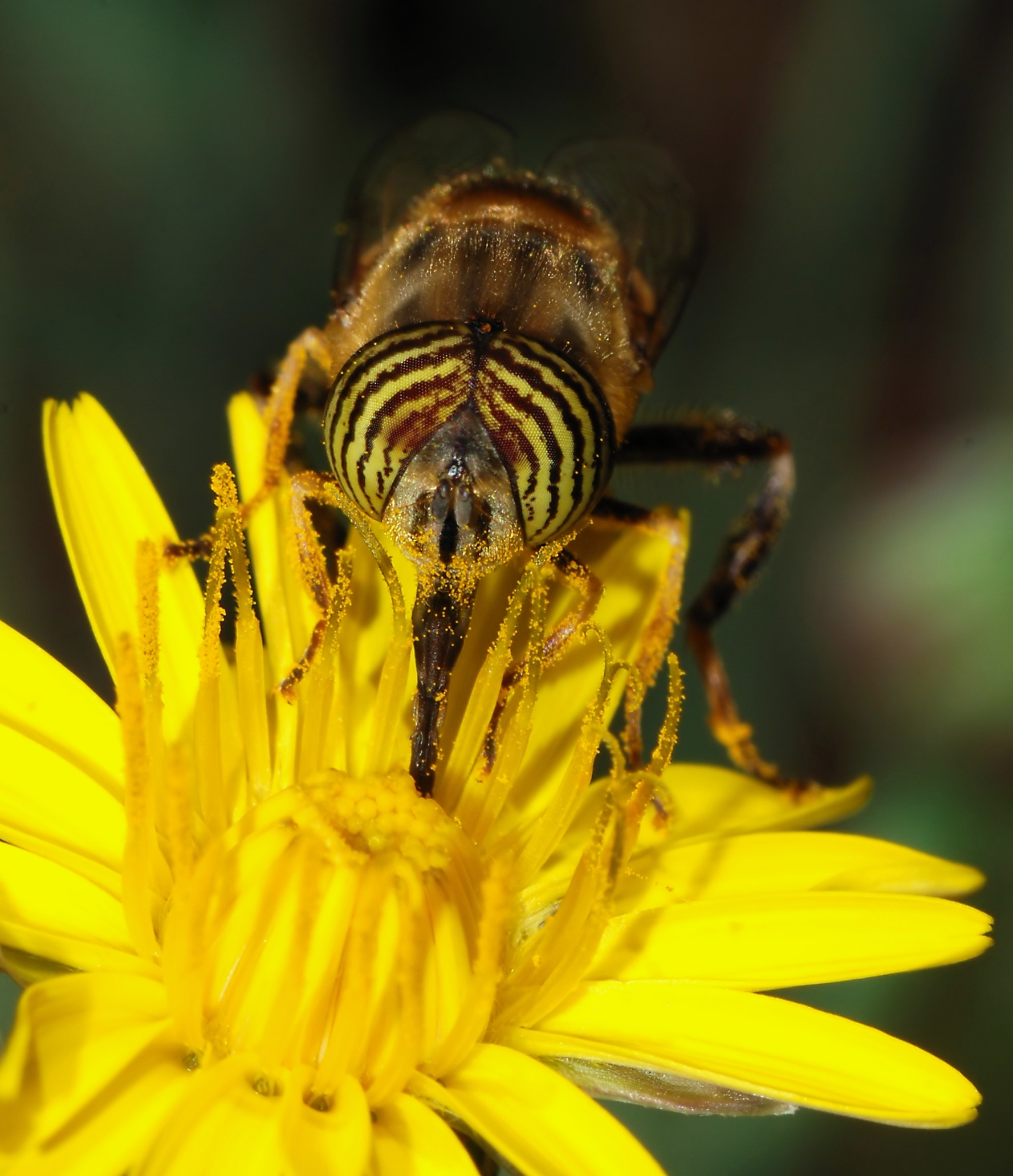
Pollination occurs when an animal, seeking nectar or pollen as a food source, inadvertently picks up pollen grains on its body. As the animal visits subsequent flowers of the same species, some of these pollen grains brush off onto the stigma, initiating fertilization. This process is highly specific, with many plants evolving intricate relationships with particular pollinators. For instance, the long, tubular flowers of many Salvia species are perfectly adapted for the proboscis of hummingbirds, while the robust, musky scent of some night-blooming flowers attracts moths and bats. The efficiency of pollen transfer varies greatly; bees, with their hairy bodies and pollen-collecting structures, are generally more effective than less specialized visitors like flies or beetles. This biological dance ensures the genetic diversity and survival of plant populations, forming the base of many food webs.
📊 Key Facts & Numbers
Globally, an estimated 75% of the world's flowering plants depend on animal pollinators for reproduction, a staggering figure that underscores their ecological significance. In terms of agriculture, pollinators are essential for approximately 35% of global food crops, translating to over $235 billion in annual economic value worldwide. Bees, encompassing over 20,000 known species, are responsible for pollinating roughly 80% of these crops. The economic value of the Western honey bee alone in the United States is estimated at over $15 billion annually. However, pollinator populations are facing alarming declines; studies suggest a loss of up to 40% of insect pollinator species in some regions over the past decade. For example, the population of monarch butterflies, a well-known migratory pollinator, has plummeted by over 80% in the last 20 years.
👥 Key People & Organizations
While no single individual "discovered" pollinators, numerous scientists and conservationists have been instrumental in understanding and protecting them. Charles Darwin extensively studied pollination, particularly the relationship between orchids and their moth pollinators, noting the intricate adaptations. More recently, researchers like Marla Spivak, a MacArthur Fellow, have dedicated their careers to understanding bee biology and advocating for bee conservation. Organizations such as the Pollinator Partnership and the Xerces Society for Invertebrate Conservation are at the forefront of research, policy advocacy, and on-the-ground conservation efforts. These groups work with governments, researchers, and the public to implement pollinator-friendly practices across agricultural and urban landscapes.
🌍 Cultural Impact & Influence
The imagery and symbolism of pollinators are deeply embedded in human culture. Bees, in particular, have been revered since antiquity, representing diligence, community, and abundance, as seen in ancient Greek myths and Roman mosaics. Butterflies, with their transformative life cycles, often symbolize metamorphosis, beauty, and hope, frequently appearing in art, literature, and religious iconography. The decline of these creatures has also spurred cultural responses, leading to increased public awareness campaigns, art installations, and educational programs aimed at highlighting their plight. The very concept of "food security" is now inextricably linked to the health of pollinator populations, making their well-being a matter of global concern and cultural narrative.
⚡ Current State & Latest Developments
The current state of pollinator populations is a critical concern. Habitat loss due to urbanization and intensive agriculture has reduced foraging grounds and nesting sites. The pervasive use of pesticides, particularly neonicotinoids, has been linked to significant bee mortality and colony collapse disorder, a phenomenon first widely reported around 2006. Climate change exacerbates these issues by altering flowering times and creating extreme weather events that can decimate populations. In response, initiatives like the establishment of pollinator gardens, the adoption of integrated pest management strategies by farmers, and policy changes aimed at restricting harmful pesticides are gaining traction. For example, the European Union has implemented partial bans on certain neonicotinoids since 2018.
🤔 Controversies & Debates
One of the most significant controversies surrounding pollinators involves the role and regulation of pesticides, particularly neonicotinoid insecticides. While manufacturers often assert their products are safe when used as directed, numerous scientific studies, including those published in journals like Science and Nature, have demonstrated detrimental effects on bee navigation, foraging, and immune systems, even at sub-lethal doses. Another debate centers on the management of managed pollinators, such as the Western honey bee, versus the conservation of wild native pollinators. Critics argue that an over-reliance on honey bees for commercial pollination can inadvertently disadvantage native species by competing for resources and potentially spreading diseases. The economic valuation of pollination services also sparks debate, with differing methodologies leading to varied estimates of their true worth.
🔮 Future Outlook & Predictions
The future outlook for pollinators is precarious but holds potential for recovery through concerted action. Projections suggest that without significant intervention, crop yields could decline substantially, impacting global food prices and availability. However, a growing awareness and a surge in conservation efforts offer hope. The development of more pollinator-friendly agricultural practices, such as planting hedgerows and cover crops, is expanding. Research into breeding more resilient pollinator species and developing novel pest control methods that do not harm beneficial insects is ongoing. The potential for "rewilding" urban and suburban spaces to create pollinator corridors is also a promising avenue. Experts predict that by 2030, widespread adoption of pollinator-friendly policies could stabilize or even reverse population declines in key regions.
💡 Practical Applications
Pollinators are not just ecological linchpins; they are indispensable to human agriculture and food production. Beyond the obvious role in producing fruits like apples, berries, and almonds, they are crucial for crops that provide oils, fibers, and even animal feed, such as alfalfa. Approximately one out of every three bites of food we eat is made possible by pollinators. Their services are also vital for the production of seeds for many vegetable crops, including tomatoes, peppers, and onions. In landscaping and horticulture, pollinators ensure the vibrant blooms and healthy growth of ornamental plants, contributing to aesthetic value and biodiversity in urban and rural environments. The economic impact is so profound that some regions are exploring "pollination insurance" for farmers.
Key Facts
- Category
- nature
- Type
- topic