
Contents
- 🌱 What is Overwatering?
- 💧 Symptoms: Signs Your Plant is Drowning
- 🔬 The Science Behind the Soggy Soil
- ⚖️ Overwatering vs. Underwatering: The Crucial Difference
- 💡 Common Causes of Overwatering
- 🛠️ Prevention and Solutions: Saving Your Green Friends
- 🪴 Choosing the Right Pot and Soil
- 🌿 Specific Plant Needs: A Quick Guide
- 📈 Long-Term Plant Health and Overwatering
- ❓ When to Call in the Experts
- Frequently Asked Questions
- Related Topics
Overview
Overwatering is the most common cause of plant death, a slow, insidious process where roots are deprived of oxygen, leading to rot. It's a mistake born from good intentions, often stemming from a desire to nurture, but ultimately suffocating the very life you aim to sustain. Recognizing the signs—yellowing leaves, wilting despite moist soil, fungal gnats—is crucial for survival. Understanding soil drainage, pot aeration, and plant-specific needs is key to avoiding this fatal flaw. This guide cuts through the well-meaning but often misguided advice to give you the hard truths about keeping your leafy companions alive and thriving.
🌱 What is Overwatering?
Overwatering, a common pitfall for even the most enthusiastic houseplant owner, occurs when a plant receives more water than its roots can absorb and the soil can drain. This isn't just about frequency; it's about the total volume of water saturating the root zone. The result is a hostile environment where essential oxygen is displaced, creating a breeding ground for root rot and other detrimental pathogens. Understanding this fundamental imbalance is the first step to cultivating a thriving indoor jungle, moving beyond mere survival to genuine flourishing.
💧 Symptoms: Signs Your Plant is Drowning
Recognizing the signs of an overwatered plant is critical before irreversible damage occurs. Look for yellowing leaves, often starting from the bottom and progressing upwards, a condition known as chlorosis. Drooping or wilting, despite the soil being wet, is another classic indicator, as damaged roots can no longer transport water effectively. You might also notice soft, mushy stems, a distinct fungal or moldy smell emanating from the soil, or even the presence of fungus gnats, which are attracted to consistently damp conditions. These visual cues are your plant's distress signals, demanding immediate attention.
🔬 The Science Behind the Soggy Soil
The biological impact of overwatering is profound. When soil becomes waterlogged, the air pockets crucial for root respiration are eliminated. Roots, like all living organisms, require oxygen to survive and function. Deprived of this vital element, roots begin to suffocate and die, a process that can quickly lead to root rot. This decay not only incapacitates the root system but also releases compounds that further degrade soil health and can invite opportunistic pathogens like Pythium and Phytophthora, accelerating the plant's decline.
⚖️ Overwatering vs. Underwatering: The Crucial Difference
Distinguishing overwatering from underwatering can be tricky, as both can lead to wilting. However, the key lies in the soil moisture and leaf texture. Underwatering typically results in dry, crispy leaves that may turn brown and curl inward, and the soil will be visibly dry. Overwatered plants, conversely, often exhibit yellowing leaves and wilting despite the soil being saturated. The leaves might feel soft and limp rather than crisp. Always check the soil moisture several inches down before assuming your plant is thirsty; a moisture meter can be an invaluable tool here.
💡 Common Causes of Overwatering
Several factors contribute to the overwatering trap. The most obvious is simply watering too frequently or too much water at once. However, poor drainage is a major culprit; pots without drainage holes or compacted soil prevent excess water from escaping. Using the wrong type of soil, such as heavy garden soil in a container, can exacerbate the issue by retaining too much moisture. Finally, environmental factors like low light conditions or cooler temperatures reduce a plant's water uptake, making it more susceptible to overwatering even with moderate watering habits.
🛠️ Prevention and Solutions: Saving Your Green Friends
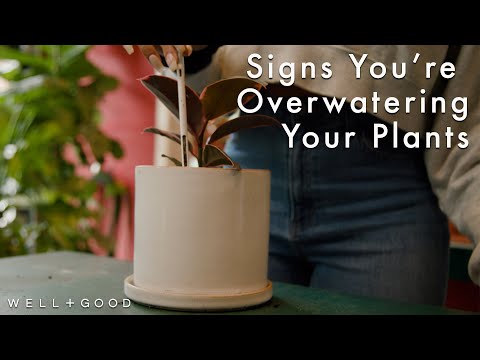
Preventing overwatering starts with mindful watering practices. Always check the soil moisture before watering; stick your finger about two inches into the soil. If it feels moist, wait. Ensure your pots have adequate drainage holes and use a well-draining potting mix appropriate for your plant type. If you've accidentally overwatered, gently remove the plant from its pot, inspect the roots for rot (mushy, dark roots), trim away any affected parts with sterile scissors, and repot in fresh, dry soil. Allow the plant to recover in a well-lit area, but avoid direct sun initially.
🪴 Choosing the Right Pot and Soil
The choice of pot and soil is fundamental to preventing waterlogged conditions. Opt for pots with drainage holes – this is non-negotiable for most plants. Terracotta pots are excellent for plants prone to overwatering as they are porous and allow soil to dry out more quickly. For soil, avoid dense, heavy mixes. A good quality potting mix formulated for containers, often containing perlite or vermiculite for aeration, is ideal. For specific plants like succulents or cacti, specialized fast-draining mixes are essential.
🌿 Specific Plant Needs: A Quick Guide
Different plants have vastly different watering needs, and a one-size-fits-all approach is a recipe for disaster. Succulents and cacti, for instance, thrive on infrequent watering and require soil that dries out completely between waterings. Tropical plants, on the other hand, often prefer consistently moist (but not soggy) soil. Researching the specific requirements of each plant in your collection, such as a Fiddle Leaf Fig versus a Snake Plant, is crucial for tailoring your watering schedule and preventing overwatering or underwatering.
📈 Long-Term Plant Health and Overwatering
Consistent, healthy watering practices contribute significantly to a plant's long-term resilience. Plants that are regularly overwatered often develop weak root systems, making them more vulnerable to pests and diseases. Over time, this can lead to stunted growth, reduced flowering, and a generally unhealthy appearance. By establishing a watering routine based on soil moisture and plant-specific needs, you foster a robust root system capable of supporting vigorous growth and a longer, healthier life for your green companions.
❓ When to Call in the Experts
If you've tried various solutions and your plant continues to decline, or if you're dealing with a particularly rare or valuable specimen, seeking professional advice is a wise step. Local botanical gardens or reputable nurseries often have staff horticulturalists who can diagnose complex issues. Online forums dedicated to specific plant types can also offer community-driven solutions, though always cross-reference advice. Sometimes, a fresh perspective from an experienced grower can save a plant that seems beyond hope.
Key Facts
- Year
- Ancient (as long as humans have cultivated plants)
- Origin
- Human cultivation of plants
- Category
- Gardening & Horticulture
- Type
- Concept/Phenomenon
Frequently Asked Questions
How often should I water my houseplants?
There's no fixed schedule; it depends on the plant, pot size, soil type, light, and temperature. The golden rule is to check the soil moisture by sticking your finger about two inches deep. Water only when the top inch or two of soil feels dry. For plants prone to overwatering, err on the side of caution and wait a bit longer.
Can overwatering kill a plant quickly?
Yes, severe overwatering can lead to rapid root rot, which can kill a plant within days or weeks, especially if conditions are warm and humid, accelerating fungal growth. The lack of oxygen suffocates the roots, and the subsequent rot prevents water and nutrient uptake, leading to a swift decline.
What are fungus gnats and how do they relate to overwatering?
Fungus gnats are small, dark flies that are attracted to moist soil conditions, often found around overwatered houseplants. While the adult gnats are mostly a nuisance, their larvae feed on organic matter and, more critically, on plant roots, potentially exacerbating damage caused by overwatering and root rot.
My plant's leaves are yellowing. Is it overwatered?
Yellowing leaves, especially starting from the bottom and progressing upwards, are a common symptom of overwatering. This occurs because the damaged or suffocating roots can't properly absorb nutrients, leading to chlorosis. However, yellowing can also be a sign of underwatering or nutrient deficiencies, so always check the soil moisture first.
What's the best way to revive an overwatered plant?
First, stop watering and ensure the pot has drainage. If the soil is waterlogged, gently remove the plant, trim any rotted roots (mushy, dark, and smelly), and repot in fresh, dry, well-draining soil. Place it in bright, indirect light and avoid fertilizing until new growth appears. Patience is key.
Should I water my plant less in winter?
Absolutely. Most houseplants enter a period of dormancy or slower growth in winter due to reduced light and cooler temperatures. Their water needs decrease significantly. Overwatering in winter is a very common mistake, as the soil will dry out much slower. Reduce watering frequency and volume considerably.