
Contents
- 📍 What Exactly Is a Neighborhood?
- 🗺️ Mapping the Urban Mosaic
- 🏡 The Social Fabric of Place
- 📈 Neighborhood Vibe Scores Explained
- ⚖️ Debates: Gentrification vs. Revitalization
- 💡 Key Neighborhood Thinkers & Their Ideas
- 🌐 Neighborhoods in the Digital Age
- 🚀 The Future of Urban Living
- 🤔 Common Neighborhood Misconceptions
- 🛠️ How to Identify Your Neighborhood's Vibe
- Frequently Asked Questions
- Related Topics
Overview
Neighborhoods are the fundamental units of urban experience, shaping social interaction, economic opportunity, and cultural identity. They range from historically distinct enclaves with deep roots to rapidly evolving areas undergoing gentrification, each possessing a unique 'vibe' score reflecting its cultural energy. Understanding a neighborhood involves examining its demographic shifts, architectural styles, local businesses, and the underlying power dynamics that influence its development. Whether you're a long-term resident or a newcomer, grasping these elements is crucial for navigating and appreciating the complex ecosystem of urban living. This resource explores the diverse typologies of neighborhoods and the forces that define them.
📍 What Exactly Is a Neighborhood?
A neighborhood is more than just a collection of streets and buildings; it's a geographically defined community where social interactions flourish. Think of it as the smallest unit of urban life, a place where residents share common spaces and often, common experiences. While precise definitions remain elusive among academics, a working understanding points to a spatial area fostering face-to-face connections, where people socialize, raise families, and maintain local order. These micro-communities are the bedrock of larger urban structures, influencing everything from local politics to the daily commute.
🗺️ Mapping the Urban Mosaic
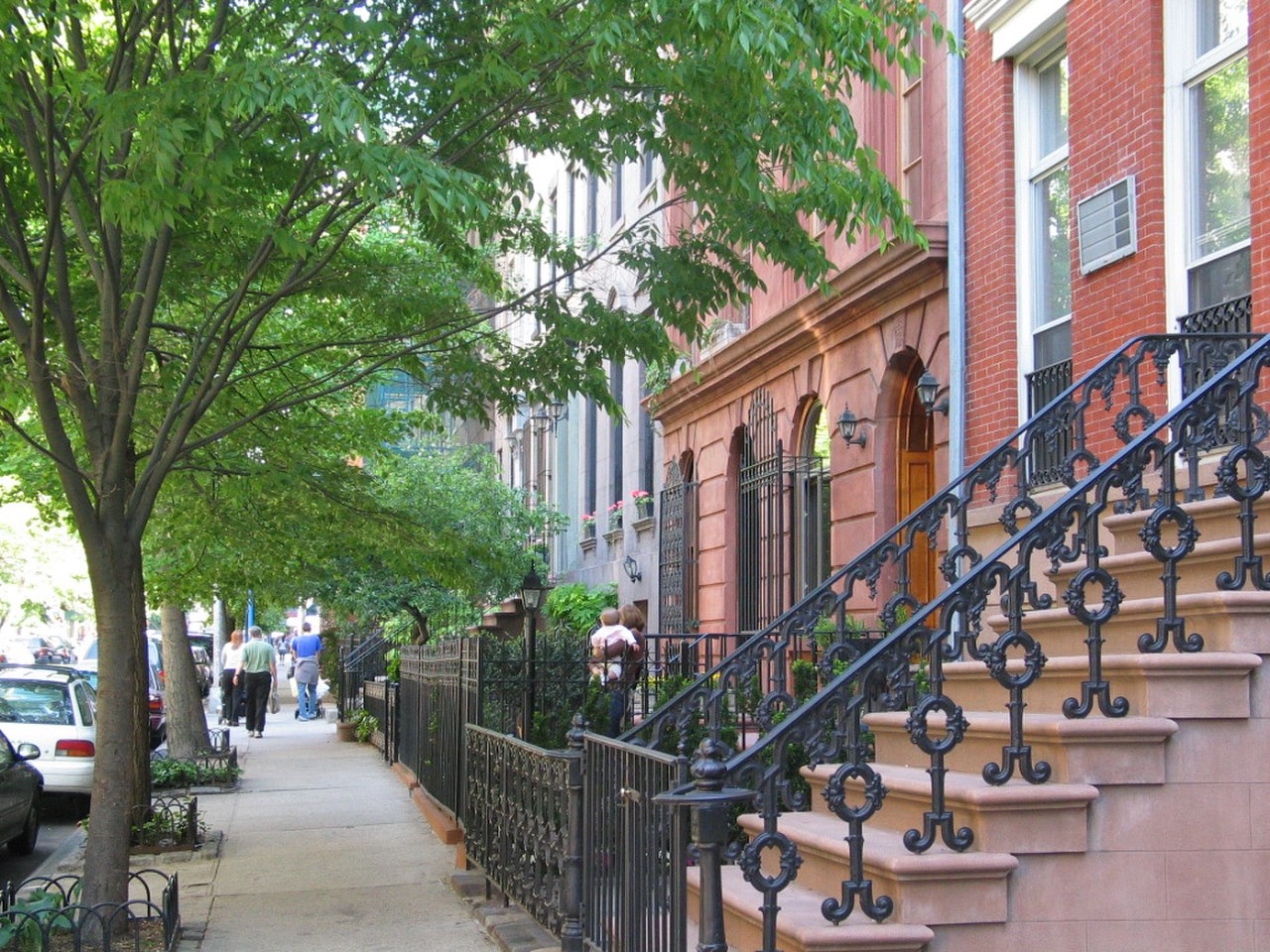
The physical boundaries of a neighborhood can be fluid, defined by natural features like rivers or parks, man-made structures like highways, or simply by shared cultural identity. From the historic brownstones of Greenwich Village to the sprawling suburban tracts of Los Angeles, each neighborhood possesses a unique spatial signature. Understanding these spatial characteristics is crucial for grasping the distinct urban planning approaches that shape their development and the real estate markets they inhabit.
📈 Neighborhood Vibe Scores Explained
At Vibepedia, we quantify this intangible essence through Vibe Scores. These scores, ranging from 0 to 100, are calculated based on a complex algorithm factoring in cultural energy, social capital, historical significance, and economic dynamism. A high Vibe Score indicates a vibrant, engaging, and culturally rich neighborhood, while a lower score might suggest areas undergoing transition or facing specific challenges. These scores offer a data-driven perspective on what makes a neighborhood tick.
⚖️ Debates: Gentrification vs. Revitalization
The evolution of neighborhoods is often marked by intense debate, particularly around gentrification and revitalization. Critics argue that revitalization efforts can displace long-term residents and alter a neighborhood's character, while proponents emphasize the economic benefits and improved amenities that such changes can bring. Understanding this tension is key to appreciating the complex social and economic forces at play in urban transformation.
💡 Key Neighborhood Thinkers & Their Ideas
The study of neighborhoods has been shaped by influential thinkers. Jane Jacobs, in her seminal work The Death and Life of Great American Cities, championed the organic, mixed-use nature of vibrant urban neighborhoods, critiquing top-down urban planning. Sociologists like Robert Park and the Chicago School explored how social processes shape urban spaces, viewing cities as laboratories for human behavior and community formation.
🌐 Neighborhoods in the Digital Age
In the digital age, the concept of neighborhood is expanding. While physical proximity remains important, online communities and social media platforms can create virtual neighborhoods, connecting people with shared interests regardless of their geographic location. This digital layer adds a new dimension to how we define and experience community, blurring the lines between the physical and the virtual.
🚀 The Future of Urban Living
The future of neighborhoods will likely involve a continued interplay between physical development and digital connectivity. Expect more emphasis on sustainable design, mixed-income housing, and the integration of smart city technologies. The challenge will be to foster inclusive communities that balance growth with the preservation of local character and social equity, ensuring that neighborhoods remain vibrant and livable for all residents.
🤔 Common Neighborhood Misconceptions
A common misconception is that neighborhoods are static entities, unchanging over time. In reality, neighborhoods are dynamic, constantly evolving due to demographic shifts, economic forces, and policy decisions. Another myth is that all neighborhoods within a city are fundamentally the same; in truth, the diversity of urban environments means each neighborhood has its own unique identity and set of challenges.
🛠️ How to Identify Your Neighborhood's Vibe
To truly understand a neighborhood's vibe, go beyond the statistics. Walk its streets at different times of day, observe the interactions between residents, and visit local businesses. Engage with community forums, read local news, and talk to people who live there. This direct experience, combined with data from sources like Vibepedia's Vibe Scores, provides a comprehensive picture of a neighborhood's character and its potential.
Key Facts
- Year
- 2023
- Origin
- Vibepedia.wiki
- Category
- Urban Studies / Sociology
- Type
- Topic
Frequently Asked Questions
What is the difference between a neighborhood and a district?
While often used interchangeably, a neighborhood typically refers to a smaller, more intimate residential community with strong social ties. A district, on the other hand, is a broader term that can encompass commercial, industrial, or administrative zones, and may not necessarily have the same level of social cohesion as a neighborhood. Think of neighborhoods as the building blocks that make up larger urban districts.
How do neighborhoods impact mental health?
The quality of a neighborhood can significantly influence mental well-being. Access to green spaces, safe streets for walking, and strong social support networks are linked to lower rates of stress and depression. Conversely, neighborhoods with high crime rates, lack of amenities, and social isolation can negatively impact mental health, highlighting the importance of community design and investment.
Can a neighborhood change its identity over time?
Absolutely. Neighborhoods are dynamic and can undergo significant transformations. Factors like demographic shifts, economic development, infrastructure changes, and policy interventions can alter a neighborhood's character, its residents, and its overall vibe. This process can be gradual or rapid, often leading to debates about preservation versus progress.
What are the key indicators of a 'good' neighborhood?
Indicators of a 'good' neighborhood are subjective but often include safety, affordability, access to amenities (schools, parks, public transport, shops), a sense of community, and opportunities for social interaction. Vibepedia's Vibe Scores attempt to capture many of these qualitative aspects through data analysis.
How do external factors like city planning affect neighborhoods?
City planning decisions, such as zoning laws, transportation projects, and the development of public spaces, have a profound impact on neighborhoods. These decisions can either foster community growth and connectivity or lead to segregation and decline. Effective urban planning aims to create balanced environments that serve the needs of residents and enhance the overall urban fabric.
Are virtual neighborhoods as impactful as physical ones?
Virtual neighborhoods offer unique benefits for connection and information sharing, especially for niche interests or geographically dispersed individuals. However, they generally lack the tangible, face-to-face interactions and shared physical experiences that build deep social capital and a strong sense of place characteristic of physical neighborhoods. They are complementary, not replacements, for physical communities.