
Contents
Overview
The concept of preserving music, in its broadest sense, predates recorded sound. Early forms of preservation involved the meticulous transcription of musical scores, ensuring that compositions by figures like Johann Sebastian Bach or Wolfgang Amadeus Mozart could be studied and performed centuries later. The advent of sound recording technology in the late 19th century, beginning with Thomas Edison's phonograph, introduced a new imperative: preserving the actual sound of performances. Early recordings on fragile wax cylinders and later shellac discs quickly began to degrade, prompting early concerns about their longevity. The Library of Congress began actively collecting sound recordings, recognizing their historical significance. The development of magnetic tape offered greater durability but also introduced new challenges related to tape binder degradation and obsolescence of playback equipment.
⚙️ How It Works
Music preservation operates on several interconnected levels. At its most fundamental, it involves the physical care and stabilization of original recording media, such as vinyl records, magnetic tapes, and even digital files. This often requires specialized climate-controlled storage facilities to mitigate environmental damage. A crucial component is the transfer of audio from deteriorating or obsolete formats to stable, modern ones, primarily digital formats. This process involves careful playback on calibrated equipment and sophisticated signal processing to remove noise and artifacts while retaining the original sonic character. Beyond audio, preservation extends to musical scores, instruments, performance ephemera like posters and programs, and oral histories from musicians and industry figures, often managed by organizations like the Rock & Roll Hall of Fame and The GRAMMY Museum.
📊 Key Facts & Numbers
The sheer scale of audio recordings presents a monumental preservation challenge. Experts estimate that a significant portion of existing recordings are at risk of degradation. The U.S. Library of Congress holds millions of sound recordings. The challenge is compounded by the variety of formats, with over 100 different types of audio carriers identified, many requiring unique playback mechanisms.
👥 Key People & Organizations
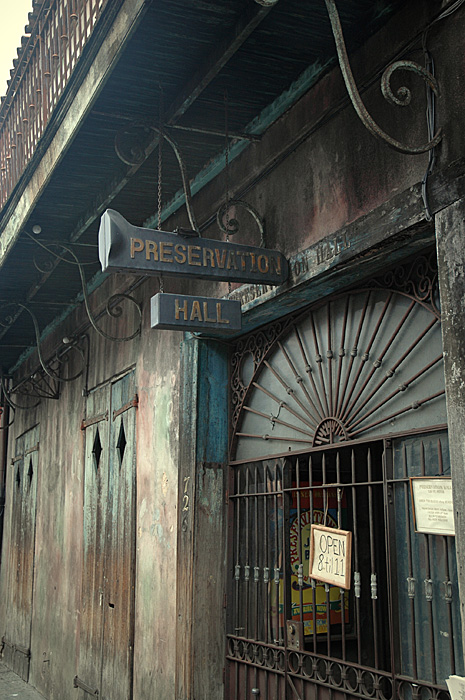
Numerous individuals and organizations are at the forefront of music preservation. The International Association of Audiovisual Archives and Museums (FIAT-IFTA) and the International Association of Sound and Audiovisual Archives (IASA) are key international bodies setting standards and fostering collaboration. In the United States, the Library of Congress's National Recording Preservation Board plays a vital role in identifying and preserving significant sound recordings. Institutions like the Smithsonian Institution, Harvard University's Eda Kuhn Loeb Music Library, and Yale University's Music Library house extensive collections. Pioneering figures in audio restoration include Peter Bartók, known for his work with early recordings, and organizations like the Save the Vinyl Foundation advocate for the preservation of physical media. The Preservation Hall in New Orleans, while primarily a venue, also contributes by documenting and performing traditional New Orleans jazz for future generations.
🌍 Cultural Impact & Influence
Music preservation has a profound cultural impact, acting as a bridge between past, present, and future. It allows us to study the evolution of musical genres, understand historical contexts through the sounds of different eras, and appreciate the artistry of performers long gone. The availability of digitized historical recordings has fueled new artistic movements, enabling contemporary musicians to sample, remix, and draw inspiration from a vast sonic archive. Furthermore, it supports musicological research, ethnomusicology, and the study of social history through sound. The efforts to preserve indigenous music traditions, for instance, are crucial for cultural continuity and identity. The work of organizations like the UNESCO in documenting and safeguarding intangible cultural heritage, including musical practices, underscores its global importance.
⚡ Current State & Latest Developments
The field of music preservation is in constant flux, driven by technological advancements and evolving challenges. The transition from analog to digital has been a double-edged sword: while digital offers easier access and duplication, it introduces issues of format obsolescence and data corruption. Initiatives like the Internet Archive's Audio Archive are making vast collections of historical audio accessible online, but ensuring the long-term integrity of these digital assets is an ongoing concern. Emerging technologies in AI are being explored for automated audio restoration and metadata generation. The increasing awareness of the fragility of digital data, often referred to as digital dark age, has spurred renewed focus on robust digital archiving strategies and the development of sustainable digital preservation frameworks by bodies like the Digital Preservation Coalition.
🤔 Controversies & Debates
Significant debates surround music preservation. One major controversy is the 'digital dark age' – the fear that digital formats, despite their convenience, may prove less durable or accessible in the long term than analog media due to rapid technological obsolescence and the potential for data rot. Another contentious issue is the balance between preservation and access; while the goal is to make music available, copyright restrictions and the cost of digitization can limit public access to historical recordings. Furthermore, there's ongoing debate about the ethics of audio restoration: how much manipulation is acceptable before the original integrity of the recording is compromised? Some argue for minimal intervention, preserving historical artifacts as they are, while others advocate for more aggressive restoration to make the music more palatable to modern audiences. The prioritization of what to preserve also sparks debate, with questions arising about which recordings hold the most historical or cultural value.
🔮 Future Outlook & Predictions
The future of music preservation hinges on continued technological innovation and sustained institutional commitment. Experts predict a greater reliance on AI and machine learning for automated restoration, cataloging, and even predictive analysis of media degradation. The development of more robust and self-healing digital storage solutions will be critical to combatting the 'digital dark age.' There's also a growing emphasis on community-driven preservation efforts, empowering local archives and individuals to safeguard their own musical heritage. The challenge of funding will remain paramount, requiring innovative models beyond traditional grants, potentially involving public-private partnerships and crowdfunding. As new musical forms emerge, preservationists will need to adapt, developing strategies for archivin
Key Facts
- Category
- culture
- Type
- topic