
Contents
- 🎵 Origins & History
- ⚙️ How It Works
- 📊 Key Facts & Numbers
- 👥 Key People & Organizations
- 🌍 Cultural Impact & Influence
- ⚡ Current State & Latest Developments
- 🤔 Controversies & Debates
- 🔮 Future Outlook & Predictions
- 💡 Practical Applications
- 📚 Related Topics & Deeper Reading
- Frequently Asked Questions
- References
- Related Topics
Overview
The music future is a dynamic and ever-changing entity, shaped by technological advancements, shifting consumer behaviors, and innovative artistic expressions. With the rise of digital platforms like Spotify and Apple Music, the music industry has undergone a significant transformation, enabling new business models and revenue streams. According to a report by Midia Research, the global music market generated $43.1 billion in revenue in 2020, with streaming services accounting for 80% of the growth. As we look to the future, emerging trends like AI-generated music and VR concerts are poised to revolutionize the way we experience and interact with music. With the help of Ableton Live and Logic Pro, artists like Grimes and Flume are pushing the boundaries of electronic music production. The music future is full of possibilities, and it will be exciting to see how it unfolds in the coming years, with Coachella and Tomorrowland festivals showcasing the latest talent and technology.
🎵 Origins & History
The concept of music future has its roots in the early 20th century, when John Cage and Karlheinz Stockhausen experimented with electronic music and avant-garde sounds. The 1960s and 1970s saw the rise of Kraftwerk and Tangerine Dream, who pioneered the use of synthesizers and electronic instruments in popular music. Today, artists like Daft Punk and Skrillex continue to push the boundaries of electronic music, incorporating elements of hip-hop and pop into their sound. The music future is also shaped by the work of SoundCloud and Bandcamp, which have democratized music distribution and enabled new artists to emerge.
⚙️ How It Works
The music future is driven by a complex interplay of technological, social, and economic factors. The rise of streaming services has transformed the way we consume music, with Spotify and Apple Music dominating the market. According to a report by Goldman Sachs, the global music streaming market is projected to reach $15.1 billion by 2025, with TikTok and Instagram playing an increasingly important role in music discovery. The music future is also shaped by the work of music producers like Max Martin and Dr. Luke, who have developed new production techniques and styles that have influenced a generation of artists.
📊 Key Facts & Numbers
The music future is characterized by a number of key trends and statistics. According to a report by IFPI, the global music market grew by 18.8% in 2020, with streaming services accounting for 80% of the growth. The report also noted that Latin music has become a major force in the global music market, with artists like Bad Bunny and J Balvin achieving huge success. The music future is also shaped by the work of music festivals like Coachella and Tomorrowland, which have become major platforms for artist discovery and fan engagement.
👥 Key People & Organizations
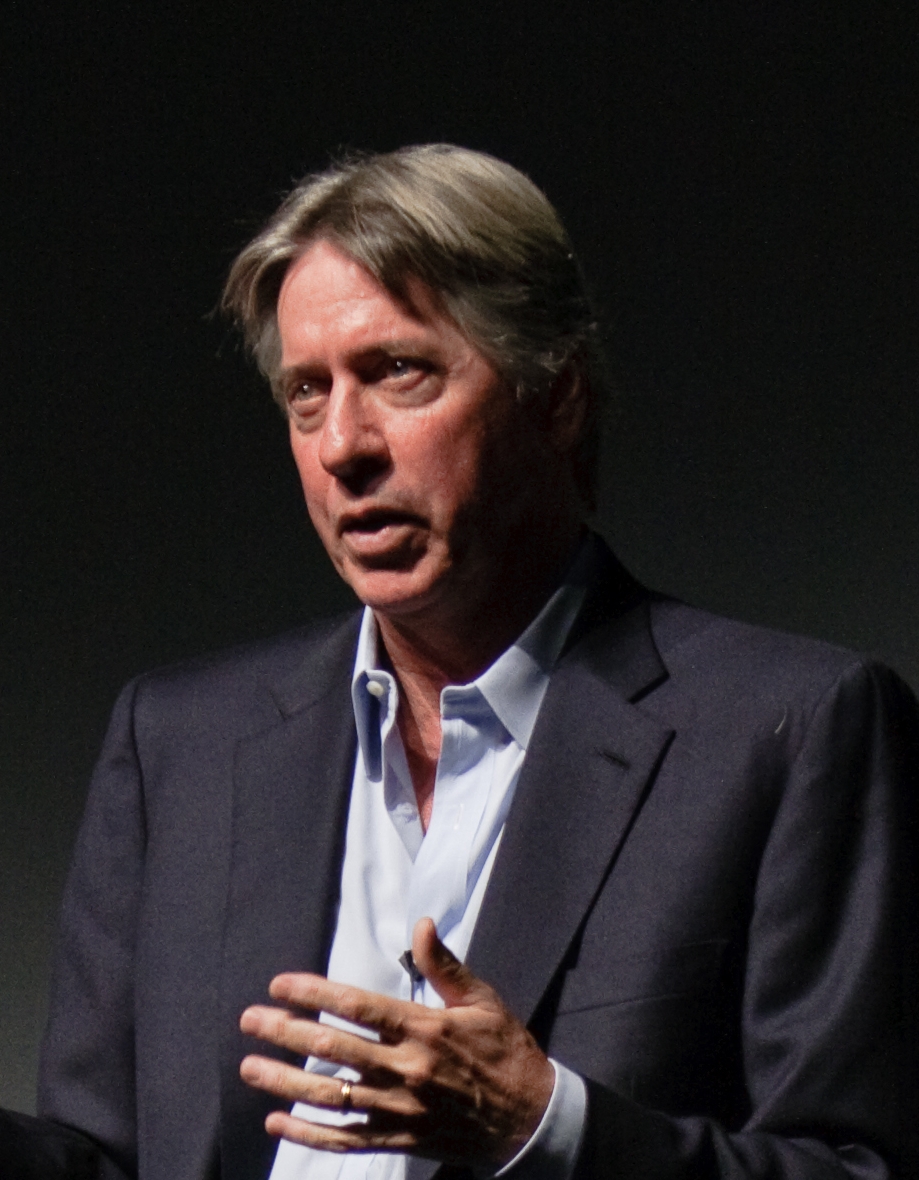
The music future is shaped by a number of key people and organizations, including Alan Silvestri, who composed the score for the Back to the Future franchise. Other key figures include Robert Zemeckis and Bob Gale, who created the franchise, and Glen Ballard, who co-wrote the music for the stage musical. The music future is also influenced by the work of music industry executives like Daniel Ek and Lucian Grainge, who have shaped the direction of the music industry through their leadership of Spotify and Universal Music Group.
🌍 Cultural Impact & Influence
The music future has a significant cultural impact and influence, with music playing a major role in shaping our emotions, attitudes, and behaviors. According to a report by Nielsen, music is the most popular form of entertainment in the United States, with 93% of Americans listening to music at least once a week. The music future is also shaped by the work of music journalists like Pitchfork and Rolling Stone, who provide critical commentary and analysis of the music industry. The music future is also influenced by the work of music educators like Berklee College of Music, who provide training and development opportunities for emerging artists.
⚡ Current State & Latest Developments
The current state of the music future is characterized by a number of key trends and developments. The rise of TikTok and Instagram has transformed the way we discover and engage with music, with short-form video becoming an increasingly important format for music consumption. The music future is also shaped by the work of music streaming services like Spotify and Apple Music, which have developed new features and functionalities to enhance the music listening experience. According to a report by Midia Research, the global music streaming market is projected to reach $15.1 billion by 2025, with Spotify and Apple Music dominating the market.
🤔 Controversies & Debates
The music future is not without its controversies and debates, with issues like music piracy and royalty payments continuing to be major concerns for the music industry. According to a report by IFPI, music piracy costs the music industry an estimated $2.2 billion per year, with Spotify and Apple Music facing criticism for their royalty payment structures. The music future is also shaped by the work of music advocacy groups like RIAA and Music Managers Forum, which provide support and representation for artists and music professionals.
🔮 Future Outlook & Predictions
The future outlook for the music future is characterized by a number of key trends and predictions. According to a report by Goldman Sachs, the global music market is projected to reach $145 billion by 2030, with streaming services and live music driving growth. The music future is also shaped by the work of music technologists like Ableton and Logic Pro, who are developing new tools and software to enhance the music creation and production process. The music future is also influenced by the work of music futurists like Brian Eno and Thom Yorke, who are exploring new frontiers in music and sound.
💡 Practical Applications
The music future has a number of practical applications, with music playing a major role in a wide range of industries and sectors. According to a report by Nielsen, music is used in 75% of advertisements, with Spotify and Apple Music providing music licensing services for businesses and brands. The music future is also shaped by the work of music therapists like American Music Therapy Association, who use music to promote healing and wellness. The music future is also influenced by the work of music educators like Berklee College of Music, who provide training and development opportunities for emerging artists.
Key Facts
- Year
- 2020
- Origin
- Global
- Category
- culture
- Type
- concept
Frequently Asked Questions
What is the music future?
The music future refers to the evolving landscape of sound, from futuristic scores to emerging trends. It is shaped by technological advancements, shifting consumer behaviors, and innovative artistic expressions. According to a report by Midia Research, the global music market generated $43.1 billion in revenue in 2020, with streaming services accounting for 80% of the growth. The music future is also influenced by the work of music festivals like Coachella and Tomorrowland, which have become major platforms for artist discovery and fan engagement.
How is the music future shaped by technology?
The music future is shaped by advances in music technology, including the development of new software and hardware tools. According to a report by Goldman Sachs, the global music streaming market is projected to reach $15.1 billion by 2025, with Spotify and Apple Music dominating the market. The music future is also influenced by the work of music technologists like Ableton and Logic Pro, who are developing new tools and software to enhance the music creation and production process.
What are the key trends in the music future?
The music future is characterized by a number of key trends, including the rise of streaming services, the growth of Latin music, and the increasing importance of short-form video. According to a report by IFPI, the global music market grew by 18.8% in 2020, with streaming services accounting for 80% of the growth. The music future is also shaped by the work of music journalists like Pitchfork and Rolling Stone, who provide critical commentary and analysis of the music industry.
How does the music future impact the music industry?
The music future has a significant impact on the music industry, with streaming services and social media platforms changing the way music is consumed and promoted. According to a report by Nielsen, music is the most popular form of entertainment in the United States, with 93% of Americans listening to music at least once a week. The music future is also influenced by the work of music industry executives like Daniel Ek and Lucian Grainge, who have shaped the direction of the music industry through their leadership of Spotify and Universal Music Group.
What are the controversies and debates in the music future?
The music future is not without its controversies and debates, with issues like music piracy and royalty payments continuing to be major concerns for the music industry. According to a report by IFPI, music piracy costs the music industry an estimated $2.2 billion per year, with Spotify and Apple Music facing criticism for their royalty payment structures. The music future is also shaped by the work of music advocacy groups like RIAA and Music Managers Forum, which provide support and representation for artists and music professionals.
How does the music future impact society and culture?
The music future has a significant impact on society and culture, with music playing a major role in shaping our emotions, attitudes, and behaviors. According to a report by Nielsen, music is used in 75% of advertisements, with Spotify and Apple Music providing music licensing services for businesses and brands. The music future is also influenced by the work of music therapists like American Music Therapy Association, who use music to promote healing and wellness.
What are the future outlook and predictions for the music future?
The future outlook for the music future is characterized by a number of key trends and predictions, including the growth of streaming services, the rise of Latin music, and the increasing importance of short-form video. According to a report by Goldman Sachs, the global music market is projected to reach $145 billion by 2030, with streaming services and live music driving growth. The music future is also shaped by the work of music futurists like Brian Eno and Thom Yorke, who are exploring new frontiers in music and sound.
How does the music future impact the environment and sustainability?
The music future has a significant impact on the environment and sustainability, with the music industry facing challenges related to energy consumption, waste management, and carbon emissions. According to a report by United Nations, the music industry has a significant carbon footprint, with live music events and music festivals being major contributors to greenhouse gas emissions. The music future is also influenced by the work of music environmentalists like Greenpeace, who are working to reduce the environmental impact of the music industry.
What are the practical applications of the music future?
The music future has a number of practical applications, including music licensing, music therapy, and music education. According to a report by Nielsen, music is used in 75% of advertisements, with Spotify and Apple Music providing music licensing services for businesses and brands. The music future is also influenced by the work of music therapists like American Music Therapy Association, who use music to promote healing and wellness.
How does the music future impact education and learning?
The music future has a significant impact on education and learning, with music playing a major role in shaping our emotions, attitudes, and behaviors. According to a report by Nielsen, music is used in 75% of advertisements, with Spotify and Apple Music providing music licensing services for businesses and brands. The music future is also influenced by the work of music educators like Berklee College of Music, who provide training and development opportunities for emerging artists.