
Contents
- 🚗 The Original People's Car
- ⚙️ Engineering That Changed the World
- 💰 The Price Revolution
- 🌟 Cultural Impact: More Than Just Metal
- 🤔 The 'Tin Lizzie' Legacy: Debates and Reinterpretations
- 🛠️ Where to See and Experience a Model T Today
- 📈 Model T vs. The Competition: A Historical Snapshot
- 💡 Tips for Model T Enthusiasts and Collectors
- Frequently Asked Questions
- Related Topics
Overview
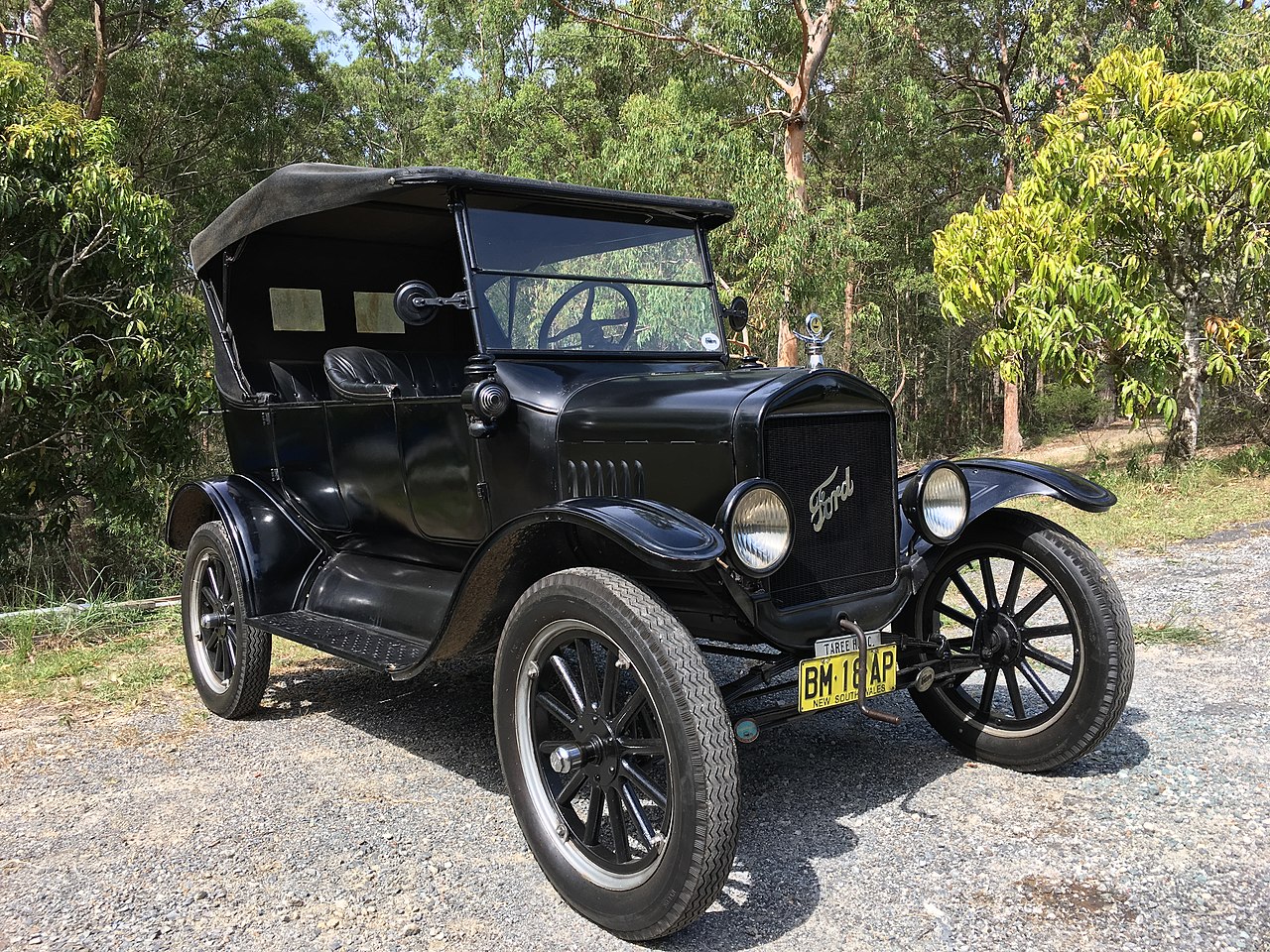
The Ford Model T wasn't just a car; it was a seismic shift in personal mobility. Produced by Ford Motor Company from 1908 to 1927, it democratized automobile ownership. Before the Model T, cars were largely luxury items for the wealthy. Henry Ford's vision, however, was to create a vehicle accessible to the average American family, fundamentally altering the nation's infrastructure and social fabric. Its impact is so profound that it's often cited as the first truly mass-produced and affordable automobile, a title that still sparks debate among automotive historians.
⚙️ Engineering That Changed the World
The genius of the Model T lay in its innovative engineering and manufacturing. Designed primarily by Joseph A. Galamb, Eugene Farkas, and Childe Harold Wills, it prioritized simplicity, durability, and ease of repair. Unlike the bespoke vehicles of its era, the Model T was built for the masses. Its robust construction, featuring a 20-horsepower, four-cylinder engine, made it capable of handling the rough roads of the early 20th century. The planetary gear transmission, a departure from traditional manual gearboxes, also contributed to its user-friendliness, making it a practical choice for those new to driving.
💰 The Price Revolution
The true revolution of the Model T was its affordability, driven by Henry Ford's pioneering use of the moving assembly line. This manufacturing technique, perfected at Ford's Highland Park Plant, drastically reduced production time and costs. The price of a Model T plummeted from an initial $780 in 1910 to an astonishing $290 by 1924. This price drop made car ownership attainable for millions, transforming it from a novelty into a necessity and fueling the growth of suburbs and the demand for better roads.
🌟 Cultural Impact: More Than Just Metal
Colloquially known as the "Tin Lizzie", the Model T became an icon of American culture. It facilitated unprecedented personal freedom, enabling families to travel further, explore new destinations, and connect with distant relatives. Its ubiquity meant it was present in virtually every aspect of American life, from daily commutes to rural deliveries and even as a canvas for early forms of automotive customization. The Model T's cultural resonance is undeniable, representing an era of burgeoning industrial might and individual empowerment.
🤔 The 'Tin Lizzie' Legacy: Debates and Reinterpretations
The legacy of the Model T is not without its controversies. While widely celebrated as the "people's car," some historians point to the harsh working conditions and low wages initially offered to assembly line workers, a stark contrast to the car's accessibility. Debates also persist regarding the true extent of its "originality" versus its brilliant implementation of existing technologies. Furthermore, the Model T's dominance eventually led to a stagnation in innovation within Ford, contributing to its eventual replacement by the Ford Model A in 1927, a move that highlights the ever-present tension between mass production efficiency and the need for evolution.
🛠️ Where to See and Experience a Model T Today
Experiencing a Ford Model T firsthand offers a tangible connection to automotive history. Numerous automotive museums across the United States and globally house well-preserved examples. Institutions like the Henry Ford Museum of American Innovation in Dearborn, Michigan, and the National Automobile Museum in Reno, Nevada, often feature Model Ts in their collections. Many antique car clubs also organize rallies and events where these historic vehicles are displayed and driven, providing opportunities for enthusiasts to see and even ride in a "Tin Lizzie."
📈 Model T vs. The Competition: A Historical Snapshot
The Model T's success inevitably drew competition, though few could match its production scale or price point. Early rivals included vehicles from General Motors (formed in 1908), such as the Oldsmobile and Cadillac, which often offered more advanced features or luxury appointments but at a significantly higher cost. Dodge Brothers also emerged as a formidable competitor, offering a more robust alternative. However, the Model T's sheer volume and affordability meant it dominated the market for nearly two decades, setting a benchmark that other manufacturers struggled to meet.
💡 Tips for Model T Enthusiasts and Collectors
For those interested in collecting or maintaining a Ford Model T, understanding its historical context is crucial. Parts are still available through specialized suppliers and online marketplaces, though authenticity and condition vary widely. Joining a Model T club is highly recommended, as these communities offer invaluable knowledge, technical support, and access to rare parts. When evaluating a vehicle, pay close attention to the provenance and any modifications made over its long history, as these can significantly impact its value and historical integrity.
Key Facts
- Year
- 1908
- Origin
- United States
- Category
- Automotive History
- Type
- Product
Frequently Asked Questions
What does 'Tin Lizzie' mean?
The nickname 'Tin Lizzie' for the Ford Model T is widely believed to have originated from its perceived flimsiness due to its extensive use of steel and its relatively lightweight construction compared to earlier, heavier automobiles. While some associate it with a specific incident or person, its exact origin remains debated. Regardless, the affectionate moniker stuck, symbolizing the car's widespread popularity and its role as a dependable, albeit humble, mode of transport for the masses.
Was the Model T the first car ever made?
No, the Model T was not the first car ever made. The invention of the automobile predates the Model T by several decades, with pioneers like Karl Benz and Gottlieb Daimler developing the first gasoline-powered vehicles in the late 19th century. The Model T's significance lies in its role as the first mass-produced and affordable automobile, making car ownership accessible to a much broader segment of the population than ever before.
How many Ford Model Ts were produced?
An astonishing number of Ford Model Ts were produced during its run. Ford manufactured over 15 million units between 1908 and 1927. This immense production volume was a direct result of the efficiency of the assembly line and the car's immense popularity, making it one of the best-selling automobiles of all time.
What made the Model T so affordable?
The primary reason for the Model T's affordability was Henry Ford's revolutionary implementation of the moving assembly line. This system drastically reduced the time and labor required to build each car. Ford also standardized parts and processes, and famously, in 1913, introduced the policy of only offering the Model T in black, simplifying production further by eliminating the need for multiple paint colors and drying times.
Can you still drive a Ford Model T today?
Yes, it is absolutely possible to drive a Ford Model T today, though it requires a specific mindset and understanding of early automotive technology. Many Model Ts are meticulously maintained by collectors and enthusiasts. Driving one involves a different technique than modern cars, particularly concerning the planetary gear transmission and hand controls for throttle and spark. Numerous antique car clubs and events provide opportunities to experience driving or riding in a Model T.
What were the main technical innovations of the Model T?
Key technical innovations included the use of vanadium steel for increased strength and durability, a planetary gear transmission that simplified operation, and a high-tension magneto ignition system integrated with the engine. Its simple yet robust design, coupled with the efficiency of the assembly line, made it a marvel of engineering for its time, prioritizing reliability and ease of maintenance over luxury or speed.