
Contents
Overview
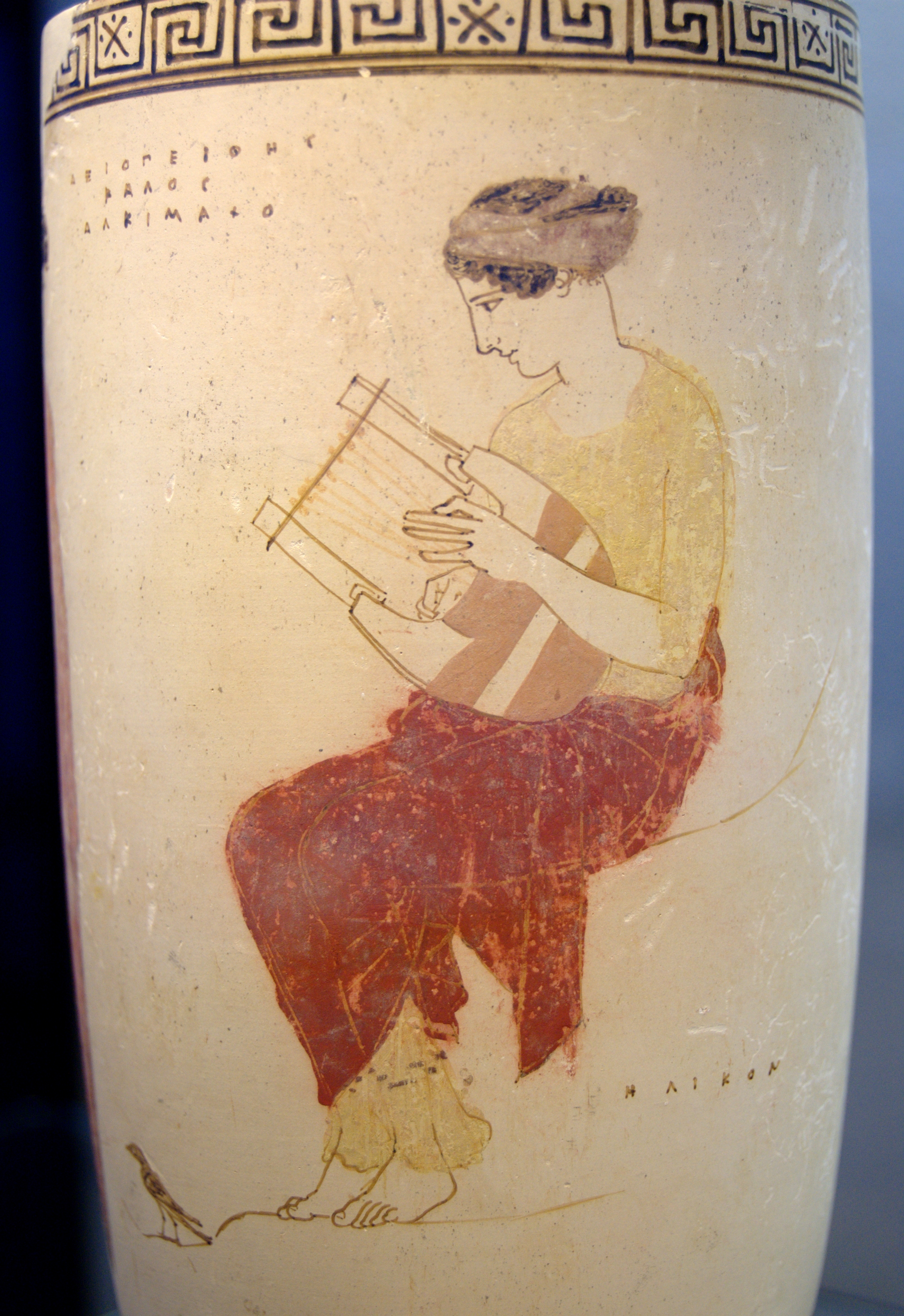
The lyre's lineage is ancient, with its earliest known precursors emerging in Mesopotamia. These early "eastern lyres," distinguished by their flat bases, have been unearthed at significant archaeological sites across the Fertile Crescent, including Egypt, Syria, and Anatolia. The instrument gained particular prominence in ancient Greece, where it became inextricably linked with poetry and music, famously associated with the god Apollo and the mythical musician Orpheus. Greek lyres, often crafted from tortoise shells or wood, typically featured seven strings, a number imbued with symbolic meaning. Roman culture also embraced the lyre, adapting it for various ceremonial and entertainment purposes, further solidifying its presence in the classical world. The instrument's journey continued through the Byzantine Empire and into medieval Europe, where it evolved into various forms, influencing the development of later stringed instruments.
⚙️ How It Works
At its core, the lyre is a yoke lute, a classification that highlights its unique construction. It consists of a soundbox, typically made of wood or animal hide, from which two arms extend upwards. These arms are connected by a crossbar, or yoke, and it is to this yoke that the strings are attached. The strings run from the yoke, over a bridge on the soundbox, to a tailpiece or directly to the soundbox itself. Unlike a guitar or violin, the lyre's strings are not typically pressed against a fingerboard; instead, they are plucked or strummed, and their pitch is determined by their length, tension, and thickness. The soundbox acts as a resonator, amplifying the vibrations of the strings and producing the instrument's characteristic clear, resonant tone, a sound that has captivated listeners for millennia.
📊 Key Facts & Numbers
The lyre boasts a long history, with archaeological evidence pointing to its existence in Mesopotamia. The ancient Sumerians were responsible for some of the earliest lyres found at the Royal Cemetery of Ur, dating back to the 25th century BC. In ancient Greece, variations of the lyre existed, including the kithara. Modern lyre production varies widely, but the global market for musical instruments still sees a niche but consistent demand for historical and folk instruments like the lyre, with thousands of players worldwide engaging with the instrument.
👥 Key People & Organizations
While no single individual "invented" the lyre, its history is marked by numerous artisans and cultures that shaped its form and function. The ancient Sumerians, responsible for some of the earliest lyres found at the Royal Cemetery of Ur, were pioneers in its development. In ancient Greece, figures like Apollo, the god of music, and Orpheus, the legendary musician, are intrinsically linked to the lyre's cultural significance, even if they are mythological. Curt Sachs, in his work "The History of Musical Instruments," provided extensive analysis of the lyre's evolution and classification. Contemporary lyre makers, such as those associated with the Lyre Association of North America, continue to craft and promote the instrument, ensuring its survival and adaptation for modern musicians.
🌍 Cultural Impact & Influence
The lyre's cultural footprint is immense, deeply interwoven with the development of Western music and literature. In ancient Greece, it was an instrument for accompanying epic poetry and lyric verse. Its association with divine figures like Apollo and its role in religious ceremonies and philosophical discourse in places like Plato's Academy cemented its status as a noble instrument. The lyre's sound was often seen as representing order and harmony, contrasting with the perceived wildness of the aulos. This symbolic weight has allowed the lyre to transcend its musical function, becoming a potent symbol of artistic expression, intellectual pursuit, and spiritual connection across various cultures and eras, influencing everything from classical composition to modern folk music.
⚡ Current State & Latest Developments
In the 21st century, the lyre is experiencing a resurgence, particularly within folk, neo-pagan, and historical reenactment communities. Contemporary lyre makers are experimenting with new materials and designs, often incorporating lighter woods and synthetic strings for improved playability and durability. Online platforms like YouTube and dedicated forums have become hubs for lyre enthusiasts, fostering a global community of players who share tutorials, performances, and historical research. Organizations such as the Lyre Association of North America actively promote the instrument through workshops and festivals, aiming to introduce its unique sound to a wider audience. While not a mainstream instrument, its presence in educational settings and specialized music genres indicates a steady, albeit niche, growth.
🤔 Controversies & Debates
The primary debate surrounding the lyre often centers on its classification and historical accuracy. Scholars like Curt Sachs and Bo Lawergren have engaged in discussions regarding the precise definition of "lyre" versus "kithara" and the exact nature of their construction and use in antiquity. Another point of contention can arise in historical reenactment circles regarding the authenticity of modern lyre designs and playing techniques compared to their ancient counterparts. Furthermore, the philosophical implications of the lyre's sound – whether it truly embodies harmony and order or is simply a historical artifact – are subjects of ongoing cultural interpretation. The debate isn't about whether the lyre is a good instrument, but rather how accurately we understand its past and its symbolic meaning today.
🔮 Future Outlook & Predictions
The future of the lyre appears to be one of continued niche growth and creative adaptation. We can anticipate further innovation in materials and design, potentially leading to more accessible and versatile instruments. The increasing popularity of historical music and folk traditions suggests a sustained interest from both performers and audiences. Furthermore, as digital music production tools become more sophisticated, we may see the lyre's unique timbre being sampled and integrated into electronic music, bridging ancient sounds with modern genres. The instrument's symbolic resonance as a tool for introspection and artistic expression ensures its relevance, suggesting it will continue to inspire musicians and poets for generations to come, perhaps even finding new applications in therapeutic music settings.
💡 Practical Applications
The lyre finds practical application primarily as a musical instrument for performance, education, and personal enjoyment. It is used by musicians specializing in ancient music, folk traditions, and historical reenactment. In educational settings, the lyre serves as an accessible entry point to stringed instruments, teaching fundamental concepts of music theory and string manipulation. Its relatively simple construction and clear tone make it an ideal tool for therapeutic music programs, aiding in relaxation and mindfulness. Furthermore, the lyre's historical and symbolic significance makes it a valuable prop in theatrical productions, films, and art installations aiming to evoke classical or ancient atmospheres. Its use extends to personal practice for meditation and as a decorative art object.
Key Facts
- Category
- aesthetics
- Type
- concept