
Contents
Overview
Limor Shifman is a professor at the Department of Communication and Journalism at the Hebrew University of Jerusalem, where she has taught courses on digital culture, media studies, and communication theory. Her academic background is rooted in sociology and anthropology, with a focus on cultural studies and media analysis. Shifman's work has been influenced by scholars like Pierre Bourdieu, Michel Foucault, and Judith Butler, and she has also engaged with the ideas of digital humanities scholars like Lev Manovich and Matthew K. Gold.
🤖 Research on Internet Memes
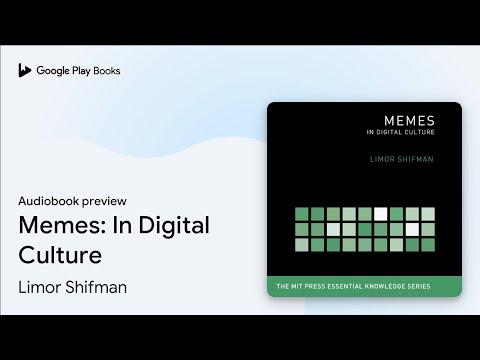
Shifman's research on internet memes has been widely recognized and has contributed to the development of the field of meme studies. Her book, 'Memes in Digital Culture', published in 2014, provides a comprehensive analysis of internet memes and their role in shaping online culture. The book has been praised by scholars like Whitney Phillips, who has written about the importance of meme studies in understanding online humor and satire. Shifman's work has also been cited by researchers like Kate M. Miltner, who has studied the role of memes in online social movements.
🌐 Cultural Impact and Reception
Shifman's work has had a significant impact on our understanding of digital culture and online humor. Her research has shown how internet memes can be used to subvert dominant cultural norms and challenge social hierarchies. For example, her analysis of the 'Pepe the Frog' meme has highlighted the ways in which online communities can use humor and irony to resist and challenge racist and sexist ideologies. Shifman's work has also been influential in shaping the field of digital humanities, with scholars like Alexander Galloway and Eugene Thacker engaging with her ideas on the role of memes in digital culture.
📊 Legacy and Future Directions
Shifman's legacy and future directions are closely tied to the ongoing development of the field of digital humanities. As digital technologies continue to shape and reshape our cultural landscape, Shifman's work provides a critical framework for understanding the ways in which online communities and digital cultures are evolving. Her research has also highlighted the importance of interdisciplinary approaches to studying digital culture, with collaborations between scholars from fields like sociology, anthropology, and media studies. As the field of digital humanities continues to grow and evolve, Shifman's work will remain an essential reference point for scholars and researchers studying internet memes, digital culture, and online humor.
Key Facts
- Year
- 2014
- Origin
- Israel
- Category
- culture
- Type
- person
Frequently Asked Questions
What is Limor Shifman's area of expertise?
Limor Shifman is a scholar of internet memes, digital culture, and online humor. Her research focuses on the ways in which online communities use humor and irony to subvert dominant cultural norms and challenge social hierarchies. Shifman's work has been influenced by scholars like Pierre Bourdieu and Judith Butler, and she has also engaged with the ideas of digital humanities scholars like Lev Manovich and Matthew K. Gold.
What is the significance of Limor Shifman's work?
Limor Shifman's work has been significant in shaping our understanding of digital culture and online humor. Her research has shown how internet memes can be used to subvert dominant cultural norms and challenge social hierarchies. Shifman's work has also been influential in shaping the field of digital humanities, with scholars like Alexander Galloway and Eugene Thacker engaging with her ideas on the role of memes in digital culture.
How has Limor Shifman's work been received?
Limor Shifman's work has been widely praised by scholars and researchers in the field of digital humanities. Her book, 'Memes in Digital Culture', has been cited by scholars like Whitney Phillips and Kate M. Miltner, and her research has been featured in popular media outlets like The New York Times and The Guardian. Shifman's work has also been recognized with awards and grants from organizations like the National Science Foundation and the Israeli Ministry of Science and Technology.
What are some of the key concepts in Limor Shifman's work?
Some of the key concepts in Limor Shifman's work include internet memes, digital culture, online humor, and meme studies. Shifman's research has also engaged with ideas from sociology, anthropology, and media studies, including the work of scholars like Pierre Bourdieu, Michel Foucault, and Judith Butler.
How has Limor Shifman's work influenced other scholars?
Limor Shifman's work has influenced a range of scholars, including Whitney Phillips, Kate M. Miltner, and Jean Burgess. Her research has also been cited by scholars in fields like sociology, anthropology, and media studies, and her ideas have been engaged with by digital humanities scholars like Alexander Galloway and Eugene Thacker.