
Contents
- 🔍 Introduction to the Human Visual System
- 👀 The Anatomy of the Eye
- 💡 The Optical System: How Light Enters the Eye
- 🔌 The Neural System: Processing Visual Information
- 📸 The Role of the Retina in Visual Perception
- 👁️ The Importance of the Brain in Interpreting Visual Data
- 🤖 The Intersection of Technology and the Visual System
- 📊 The Mathematics of Visual Perception
- 👥 The Psychology of Visual Perception
- 📚 The History of Visual System Research
- 🔮 The Future of Visual System Technology
- Frequently Asked Questions
- Related Topics
Overview
The human visual system is a intricate process that involves the eyes, brain, and nervous system working in tandem to interpret light and color. This complex network can detect an astonishing 1 million colors and process 36,000 bits of information every hour, with research suggesting that 80-90% of all information we perceive comes through our visual system. However, this dominance also raises questions about the limitations and biases of human vision, such as the influence of attention, emotions, and past experiences on perception. For instance, the concept of 'change blindness' highlights how our visual system can miss significant changes in a scene if they occur during a brief distraction. Furthermore, advancements in technology, such as virtual and augmented reality, are pushing the boundaries of human vision and raising important questions about the future of visual perception. As we continue to explore and understand the human visual system, we may uncover new insights into the intricate relationships between biology, psychology, and technology, with potential applications in fields such as medicine, education, and entertainment.
🔍 Introduction to the Human Visual System
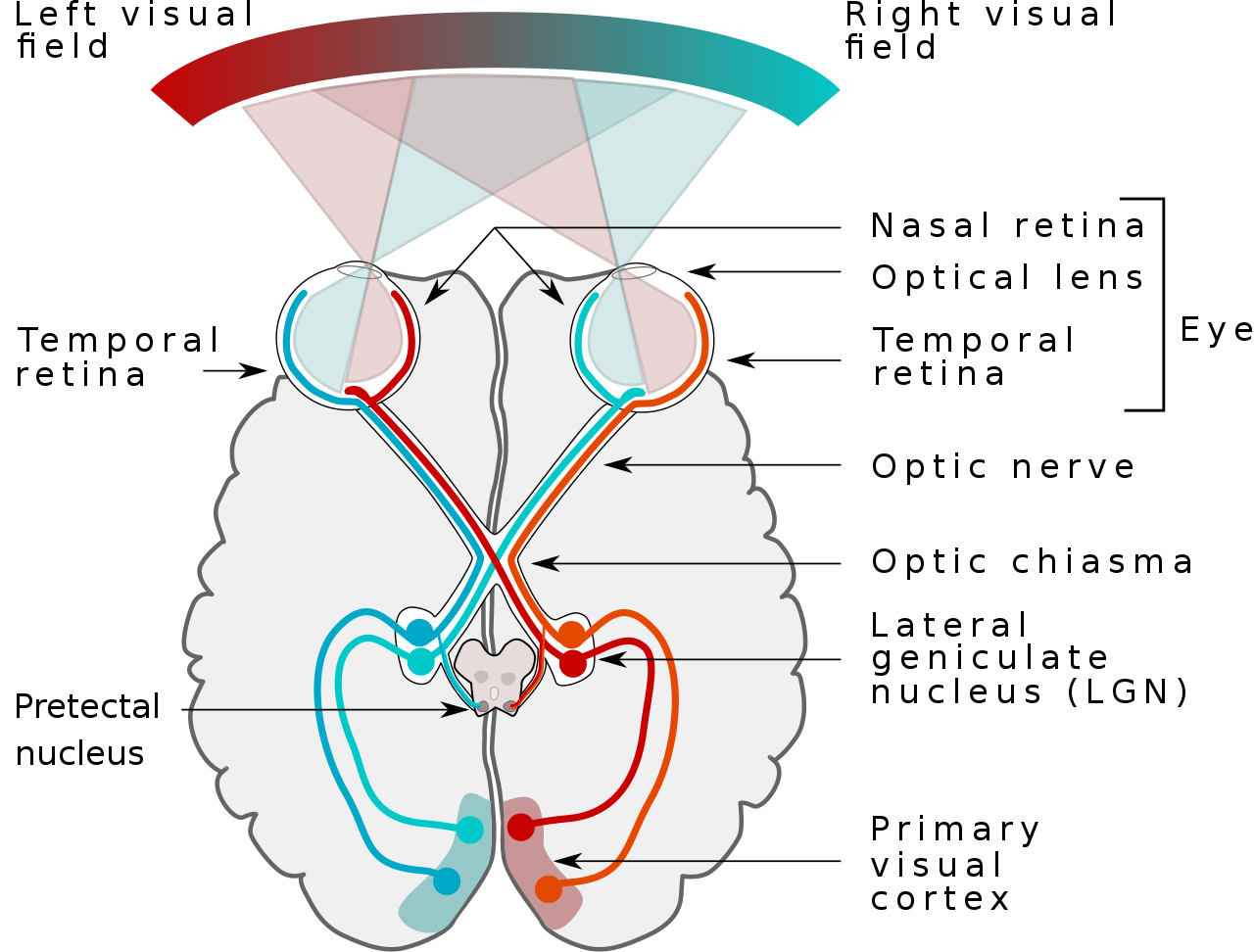
The human visual system is a complex network of light and perception that enables us to interpret and understand the world around us. The visual system is the physiological basis of visual perception, and it plays a crucial role in our daily lives. The system detects, transduces, and interprets information concerning light within the visible range to construct an image and build a mental model of the surrounding environment. This process involves the eye and is functionally divided into the optical system and the neural system. The visual system is also closely linked to the brain, which processes and interprets the visual information. For more information on the brain, see brain function.
👀 The Anatomy of the Eye
The anatomy of the eye is a fascinating topic that has been studied for centuries. The eye is a complex organ that consists of several layers, including the cornea, iris, and retina. The cornea is the transparent outer layer of the eye, while the iris is the colored part of the eye that controls the amount of light that enters. The retina is the innermost layer of the eye and is responsible for detecting light and transmitting visual information to the brain. The eye is also connected to the visual cortex, which is the part of the brain that processes visual information. For more information on the visual cortex, see visual cortex function.
💡 The Optical System: How Light Enters the Eye
The optical system is responsible for focusing light onto the retina, where it can be detected and transmitted to the brain. The optical system consists of the cornea and the _lens, which work together to focus light. The cornea is the transparent outer layer of the eye, while the lens is a flexible structure that changes shape to focus on objects at different distances. The optical system is also influenced by the pupil, which controls the amount of light that enters the eye. For more information on the pupil, see pupil function. The optical system is closely linked to the optics of the eye, which is the study of the behavior of light as it passes through the eye.
🔌 The Neural System: Processing Visual Information
The neural system is responsible for processing and interpreting visual information. The neural system consists of the retina, the optic nerve, and the visual cortex. The retina detects light and transmits visual information to the optic nerve, which carries the information to the visual cortex. The visual cortex is the part of the brain that processes visual information and interprets it as a visual image. The neural system is also influenced by the attention and perception of the individual, which can affect how visual information is processed and interpreted. For more information on attention and perception, see attention and perception.
📸 The Role of the Retina in Visual Perception
The retina is a critical component of the visual system, and it plays a crucial role in detecting light and transmitting visual information to the brain. The retina consists of several layers, including the photoreceptors, which are sensitive to light and transmit visual information to the bipolar cells. The bipolar cells then transmit the information to the ganglion cells, which carry the information to the optic nerve. The retina is also influenced by the retinal pigment epithelium, which provides nutrients and support to the photoreceptors. For more information on the retinal pigment epithelium, see retinal pigment epithelium function.
👁️ The Importance of the Brain in Interpreting Visual Data
The brain is a critical component of the visual system, and it plays a crucial role in interpreting and processing visual information. The brain consists of several areas that are specialized for different aspects of visual processing, including the visual cortex, which is responsible for processing basic visual information such as line orientation and color. The brain also includes areas that are specialized for more complex aspects of visual processing, such as the lateral occipital complex, which is responsible for processing object recognition. The brain is also influenced by the attention and perception of the individual, which can affect how visual information is processed and interpreted. For more information on attention and perception, see attention and perception.
🤖 The Intersection of Technology and the Visual System
The intersection of technology and the visual system is a rapidly evolving field that has the potential to revolutionize the way we interact with the world. Virtual reality and augmented reality are two examples of technologies that are changing the way we experience and interact with visual information. These technologies have the potential to enhance our visual abilities and provide new ways of interacting with the world. For more information on virtual and augmented reality, see virtual and augmented reality. The visual system is also closely linked to the computer vision field, which is the study of how computers can be used to interpret and understand visual information.
📊 The Mathematics of Visual Perception
The mathematics of visual perception is a complex and fascinating field that has been studied for centuries. The mathematics of visual perception involves the study of how the eye and brain work together to interpret visual information. This includes the study of optics, which is the behavior of light as it passes through the eye, as well as the study of geometry, which is the study of the shapes and patterns that make up visual images. The mathematics of visual perception is also closely linked to the psychophysics of visual perception, which is the study of how the physical properties of light are translated into subjective experience. For more information on psychophysics, see psychophysics of vision.
👥 The Psychology of Visual Perception
The psychology of visual perception is a complex and fascinating field that has been studied for centuries. The psychology of visual perception involves the study of how the brain and eye work together to interpret visual information. This includes the study of perception, which is the process of interpreting sensory information, as well as the study of attention, which is the process of selectively focusing on certain aspects of the visual environment. The psychology of visual perception is also closely linked to the cognitive psychology field, which is the study of mental processes such as attention, memory, and decision-making. For more information on cognitive psychology, see cognitive psychology overview.
📚 The History of Visual System Research
The history of visual system research is a long and fascinating one that has involved the contributions of many scientists and researchers over the centuries. The ancient Greeks, such as Aristotle and Euclid, made significant contributions to the study of optics and geometry, which laid the foundation for later research on the visual system. In the 19th and 20th centuries, researchers such as Hermann von Helmholtz and Hubel and Wiesel made significant contributions to the study of the eye and brain, and their work laid the foundation for modern research on the visual system. For more information on the history of visual system research, see history of visual system research.
🔮 The Future of Visual System Technology
The future of visual system technology is a rapidly evolving field that has the potential to revolutionize the way we interact with the world. Artificial intelligence and machine learning are two examples of technologies that are changing the way we experience and interact with visual information. These technologies have the potential to enhance our visual abilities and provide new ways of interacting with the world. For more information on artificial intelligence and machine learning, see artificial intelligence and machine learning. The visual system is also closely linked to the biotechnology field, which is the study of the use of living systems and organisms to develop new technologies and products.
Key Facts
- Year
- 2023
- Origin
- Ancient Greece, with significant contributions from scientists such as Hermann von Helmholtz and Edwin Land
- Category
- Biology, Psychology, Technology
- Type
- Biological System
Frequently Asked Questions
What is the visual system?
The visual system is the physiological basis of visual perception, and it plays a crucial role in our daily lives. The system detects, transduces, and interprets information concerning light within the visible range to construct an image and build a mental model of the surrounding environment. For more information on the visual system, see visual system. The visual system is also closely linked to the eye and brain, which work together to interpret visual information.
How does the eye work?
The eye is a complex organ that consists of several layers, including the cornea, iris, and retina. The cornea is the transparent outer layer of the eye, while the iris is the colored part of the eye that controls the amount of light that enters. The retina is the innermost layer of the eye and is responsible for detecting light and transmitting visual information to the brain. For more information on the eye, see eye anatomy.
What is the role of the brain in visual perception?
The brain is a critical component of the visual system, and it plays a crucial role in interpreting and processing visual information. The brain consists of several areas that are specialized for different aspects of visual processing, including the visual cortex, which is responsible for processing basic visual information such as line orientation and color. The brain is also influenced by the attention and perception of the individual, which can affect how visual information is processed and interpreted. For more information on the brain and visual perception, see brain and visual perception.
How does technology affect the visual system?
The intersection of technology and the visual system is a rapidly evolving field that has the potential to revolutionize the way we interact with the world. Virtual reality and augmented reality are two examples of technologies that are changing the way we experience and interact with visual information. These technologies have the potential to enhance our visual abilities and provide new ways of interacting with the world. For more information on virtual and augmented reality, see virtual and augmented reality.
What is the future of visual system technology?
The future of visual system technology is a rapidly evolving field that has the potential to revolutionize the way we interact with the world. Artificial intelligence and machine learning are two examples of technologies that are changing the way we experience and interact with visual information. These technologies have the potential to enhance our visual abilities and provide new ways of interacting with the world. For more information on artificial intelligence and machine learning, see artificial intelligence and machine learning.
How does the visual system relate to other fields of study?
The visual system is closely linked to many other fields of study, including psychology, biology, and computer science. The visual system is also influenced by the attention and perception of the individual, which can affect how visual information is processed and interpreted. For more information on the relationship between the visual system and other fields of study, see visual system and other fields.
What are some potential applications of visual system technology?
The potential applications of visual system technology are vast and varied, and include virtual reality, augmented reality, and artificial intelligence. These technologies have the potential to enhance our visual abilities and provide new ways of interacting with the world. For more information on the potential applications of visual system technology, see visual system technology applications.