
Contents
Overview
The story of the Human Papillomavirus (HPV) is as old as humanity itself, with evidence suggesting its presence throughout human evolution. While the virus itself is ancient, its scientific identification and understanding are relatively recent. Early observations of warts date back to antiquity. However, it wasn't until the late 19th and early 20th centuries that researchers began to isolate and characterize viruses. Harald zur Hausen, a German virologist, is credited with the groundbreaking hypothesis that HPV was the causative agent of cervical cancer, a claim he rigorously pursued despite initial skepticism. His persistent research, which involved meticulous sample collection and analysis, eventually led to the identification of specific HPV types as high-risk oncogenic strains. This pivotal work earned him the Nobel Prize in Physiology or Medicine in 2008, solidifying HPV's place in medical history and paving the way for diagnostic tools and preventative vaccines. The subsequent development of the HPV vaccine by scientists like Ian Frazer and Jian Zhou marked a new era in infectious disease prevention, transforming the fight against HPV-related cancers.
⚙️ How It Works
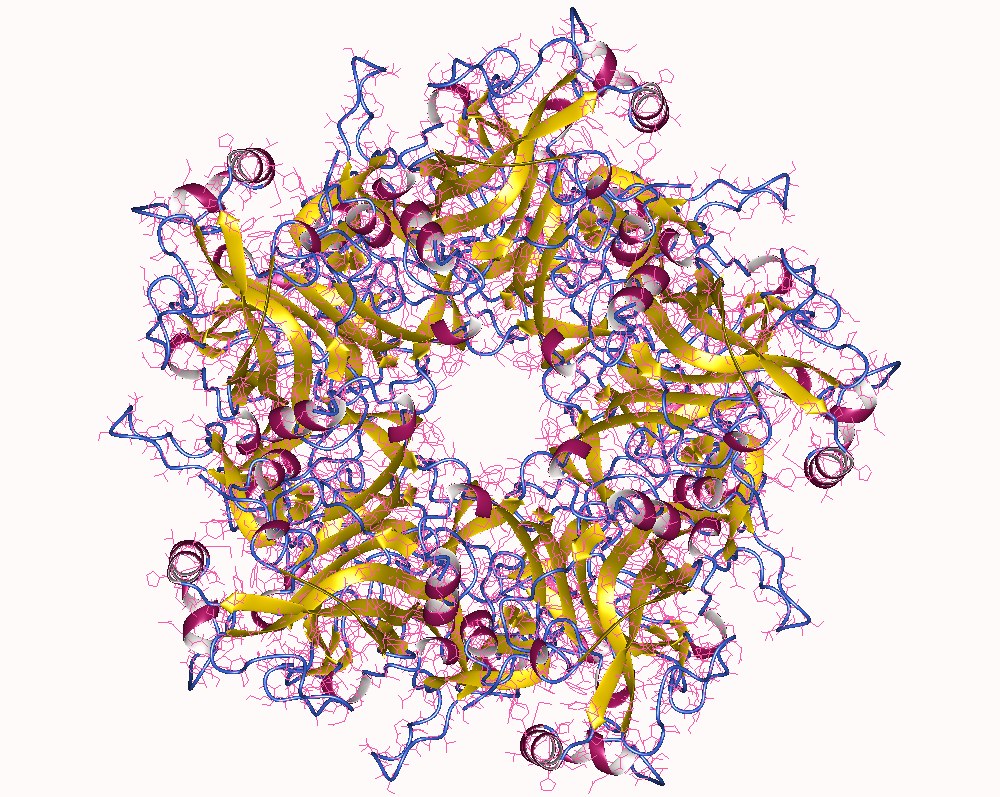
HPV operates as a small, non-enveloped DNA virus belonging to the Papillomaviridae family. Its transmission is primarily through direct skin-to-skin contact, most commonly during sexual activity, though it can also spread through non-sexual close contact. Once inside the body, HPV targets epithelial cells, particularly those lining the skin and mucous membranes of the anogenital region, oral cavity, and respiratory tract. The virus hijacks the host cell's machinery to replicate its DNA and produce viral proteins. While the immune system often clears the infection within months to a couple of years, certain high-risk HPV types possess oncoproteins (E6 and E7) that can interfere with cellular tumor suppressor pathways, such as those involving p53 and Rb. This disruption can lead to uncontrolled cell proliferation, genetic instability, and the eventual development of precancerous lesions and invasive cancers over years or even decades. Low-risk types, conversely, primarily induce benign cellular growth, manifesting as warts.
📊 Key Facts & Numbers
The sheer scale of HPV's prevalence is staggering. Globally, it's estimated that up to 80% of sexually active individuals will contract at least one type of HPV by the age of 50. In any given year, approximately 43 million Americans are infected with HPV, with about 13 million new infections occurring annually, according to the CDC. Worldwide, cervical cancer, largely driven by HPV, accounts for an estimated 604,000 new cases and 342,000 deaths each year, as reported by the WHO. Specific high-risk types, HPV16 and HPV18, are responsible for roughly 70% of all cervical cancers. Furthermore, HPV16 alone accounts for nearly 90% of HPV-related oropharyngeal cancers. Genital warts, often caused by low-risk types like HPV6 and HPV11, affect millions globally, though precise incidence figures are difficult to ascertain due to underreporting. The economic burden is also substantial, with billions spent annually on screening, diagnosis, treatment, and lost productivity due to HPV-related diseases.
👥 Key People & Organizations
Several key figures and organizations have been instrumental in shaping our understanding and management of HPV. Harald zur Hausen's relentless pursuit of the link between HPV and cervical cancer, culminating in his Nobel Prize, stands as a monumental achievement. Ian Frazer and Jian Zhou, working in Australia, developed the first HPV vaccine, a quadrivalent vaccine targeting HPV6, 11, 16, and 18, which was licensed in 2006. The CDC in the United States and the WHO globally are critical in setting public health guidelines, recommending vaccination schedules, and monitoring HPV prevalence and disease burden. Pharmaceutical companies like Merck (with Gardasil) and GlaxoSmithKline (with Cervarix) have been central to the development, production, and distribution of HPV vaccines. Research institutions and universities worldwide continue to investigate HPV pathogenesis, novel diagnostic methods, and improved therapeutic strategies.
🌍 Cultural Impact & Influence
The cultural resonance of HPV is deeply intertwined with discussions around sexual health, cancer prevention, and public health policy. For decades, the primary cultural narrative around HPV was one of fear and stigma, associated with sexually transmitted infections and the specter of cancer. The advent of HPV vaccination has shifted this narrative, introducing a powerful tool for primary prevention. However, vaccine uptake has been uneven globally, influenced by factors such as socioeconomic status, cultural attitudes towards vaccination and sexual health, and access to healthcare. Debates surrounding the HPV vaccine have sometimes become politicized, touching on issues of consent, age of vaccination, and perceived links to sexual promiscuity, despite overwhelming scientific consensus on its safety and efficacy. The ongoing efforts to eliminate cervical cancer, championed by organizations like the WHO, represent a significant public health aspiration that could dramatically alter the global health landscape.
⚡ Current State & Latest Developments
The current landscape of HPV management is dominated by two pillars: vaccination and screening. Vaccination programs, recommended for pre-teens and adolescents by health authorities like the CDC and the WHO, aim to prevent infection before exposure. As of 2024, many countries have incorporated HPV vaccination into their national immunization schedules, with varying uptake rates. For screening, Pap tests and HPV DNA testing remain the gold standards for detecting precancerous cervical changes. The WHO has set ambitious targets for cervical cancer elimination, aiming for a 90% vaccination coverage, 70% screening coverage, and 90% treatment of precancerous lesions and invasive cancers by 2030. Advances in molecular diagnostics are continuously improving the sensitivity and specificity of HPV testing, and research is ongoing into novel therapeutic approaches for established HPV-related cancers and persistent infections.
🤔 Controversies & Debates
Despite the scientific consensus on HPV's role in cancer and the efficacy of vaccines, controversies persist. One significant debate revolves around vaccine hesitancy and uptake, particularly in regions with lower socioeconomic development or where cultural or religious objections are prevalent. Concerns about the HPV vaccine's potential side effects, though largely unsubstantiated by robust scientific evidence and regulatory bodies like the FDA, continue to fuel public apprehension. Another area of contention is the optimal screening strategy, with ongoing discussions about the balance between Pap tests and HPV DNA testing, and the appropriate intervals for screening across different age groups and risk profiles. Furthermore, the ethical implications of widespread HPV testing and the management of positive results, especially in younger populations, remain subjects of discussion among healthcare providers and policymakers. The long-term persistence of HPV infections and the development of resistance to antiviral therapies are also areas of active research and concern.
🔮 Future Outlook & Predictions
The future outlook for HPV management is largely optimistic, driven by advancements in vaccine technology and diagnostic capabilities. The WHO's ambitious goal of eliminating cervical cancer by 2030 is a tangible target, contingent on sustained global efforts in vaccination and screening. Researchers are exploring next-generation HPV vaccines that could offer broader protection against more HPV types or provide longer-lasting immunity. Therapeutic vaccines designed to treat existing HPV infectio
Key Facts
- Category
- science
- Type
- topic