
Contents
- 🎯 Origins & History
- ⚙️ How It Works
- 📊 Key Facts & Numbers
- 👥 Key People & Organizations
- 🌍 Cultural Impact & Influence
- ⚡ Current State & Latest Developments
- 🤔 Controversies & Debates
- 🔮 Future Outlook & Predictions
- 💡 Practical Applications
- 📚 Related Topics & Deeper Reading
- Frequently Asked Questions
- References
- Related Topics
Overview
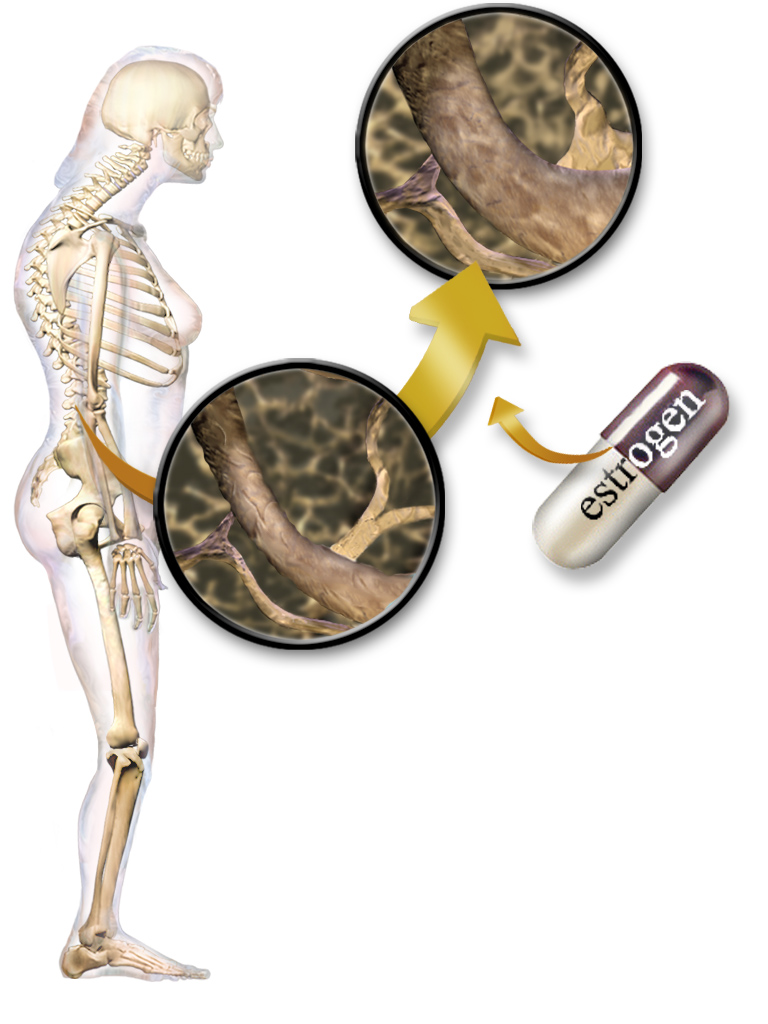
Hormone replacement therapy (HRT), a treatment for menopausal symptoms, has been embroiled in controversy due to concerns over its safety and efficacy. Initially hailed as a miracle cure for menopause symptoms such as hot flashes and osteoporosis, HRT has faced intense scrutiny following studies suggesting links to increased risks of breast cancer, heart disease, and stroke. With over 1 million women in the United States alone using HRT, the debate surrounding its use has significant implications for public health. As of 2022, the FDA has approved several HRT medications, including Premarin and Activella, but the controversy persists. The National Institutes of Health has funded extensive research on HRT, and organizations like the American College of Obstetricians and Gynecologists (ACOG) continue to update guidelines for HRT use. Despite the controversy, many women, including Angelina Jolie, have spoken out about the benefits of HRT in managing menopause symptoms.
🎯 Origins & History
The concept of HRT dates back to the early 20th century, but it wasn't until the 1960s that Robert Wilson popularized the idea of using estrogen therapy to treat menopausal symptoms. The first HRT medications, such as Premarin, were introduced in the 1940s and quickly gained popularity. However, it wasn't until the 1990s that the Women's Health Initiative (WHI) study was launched to investigate the long-term effects of HRT. The study, which involved over 16,000 women, was conducted by the National Institutes of Health and published its findings in 2002.
⚙️ How It Works
HRT typically involves the use of estrogen and progestogen hormones, which are administered via pills, patches, or creams. The goal of HRT is to alleviate menopausal symptoms such as hot flashes, night sweats, and vaginal dryness. However, the therapy has been linked to an increased risk of breast cancer, heart disease, and stroke. The FDA has approved several HRT medications, including Premarin and Activella.
📊 Key Facts & Numbers
According to the National Institutes of Health, over 1 million women in the United States use HRT. The market for HRT medications is estimated to be worth over $10 billion annually. A study published in the Journal of the American Medical Association found that HRT use decreased by 50% between 2001 and 2011. The American College of Obstetricians and Gynecologists (ACOG) estimates that 80% of women experience menopausal symptoms, with 20% seeking medical treatment.
👥 Key People & Organizations
Key people involved in the HRT controversy include Robert Wilson, who popularized the idea of estrogen therapy, and Bernard Ineichen, who has spoken out about the risks of HRT. Organizations such as the National Institutes of Health and the American College of Obstetricians and Gynecologists (ACOG) have played a significant role in shaping the debate surrounding HRT. The FDA has also been involved in regulating HRT medications.
🌍 Cultural Impact & Influence
The HRT controversy has had a significant impact on popular culture, with many women, including Angelina Jolie, speaking out about their experiences with menopause and HRT. The controversy has also been the subject of numerous books, including The Estrogen Epidemic by Dr. Anna Cabot. The Huffington Post has published numerous articles on the topic, and the New York Times has covered the controversy extensively.
⚡ Current State & Latest Developments
As of 2022, the HRT controversy continues to evolve, with new studies and research emerging regularly. The National Institutes of Health has launched new initiatives to investigate the long-term effects of HRT, and the FDA has updated its guidelines for HRT use. The American College of Obstetricians and Gynecologists (ACOG) has also updated its recommendations for HRT use.
🤔 Controversies & Debates
The HRT controversy is complex and multifaceted, with different perspectives on the benefits and risks of the therapy. Some argue that HRT is a lifesaver for women experiencing severe menopausal symptoms, while others claim that the risks outweigh the benefits. The American Cancer Society has expressed concerns about the link between HRT and breast cancer, while the American Heart Association has warned about the increased risk of heart disease.
🔮 Future Outlook & Predictions
Looking to the future, it is likely that the HRT controversy will continue to evolve as new research emerges. The National Institutes of Health has committed to funding further research on HRT, and the FDA will continue to regulate HRT medications. As the population ages, the demand for effective treatments for menopausal symptoms will only increase, making the HRT controversy a pressing public health issue.
💡 Practical Applications
In practical terms, women considering HRT should consult with their healthcare provider to discuss the potential benefits and risks. The American College of Obstetricians and Gynecologists (ACOG) recommends that women use the lowest effective dose of HRT for the shortest duration necessary. Alternative treatments, such as bioidentical hormones and lifestyle changes, may also be effective in managing menopausal symptoms.
Key Facts
- Year
- 2022
- Origin
- United States
- Category
- science
- Type
- concept
Frequently Asked Questions
What is hormone replacement therapy (HRT)?
HRT is a treatment for menopausal symptoms that involves the use of estrogen and progestogen hormones. The goal of HRT is to alleviate symptoms such as hot flashes, night sweats, and vaginal dryness. However, HRT has been linked to an increased risk of breast cancer, heart disease, and stroke. According to the National Institutes of Health, HRT should only be used for the shortest duration necessary and at the lowest effective dose.
What are the benefits and risks of HRT?
The benefits of HRT include relief from menopausal symptoms such as hot flashes and vaginal dryness. However, the risks include an increased risk of breast cancer, heart disease, and stroke. The American Cancer Society has expressed concerns about the link between HRT and breast cancer, and the American Heart Association has warned about the increased risk of heart disease. Women considering HRT should consult with their healthcare provider to discuss the potential benefits and risks.
What is the current state of the HRT controversy?
The HRT controversy continues to evolve, with new studies and research emerging regularly. The National Institutes of Health has launched new initiatives to investigate the long-term effects of HRT, and the FDA has updated its guidelines for HRT use. The American College of Obstetricians and Gynecologists (ACOG) has also updated its recommendations for HRT use.
What are the alternatives to HRT?
Alternatives to HRT include bioidentical hormones and lifestyle changes. Bioidentical hormones are hormones that are identical in structure to the hormones produced by the body. Lifestyle changes, such as diet and exercise, can also help to manage menopausal symptoms. The Mayo Clinic recommends that women consider alternative treatments before starting HRT.
What is the role of the FDA in regulating HRT medications?
The FDA plays a crucial role in regulating HRT medications, including approving new medications and updating guidelines for HRT use. The FDA has approved several HRT medications, including Premarin and Activella. However, the FDA has also warned about the risks of HRT and has updated its guidelines to reflect the latest research.
What is the impact of HRT on women's health?
HRT can have a significant impact on women's health, both positive and negative. The benefits of HRT include relief from menopausal symptoms, but the risks include an increased risk of breast cancer, heart disease, and stroke. The World Health Organization has recognized the importance of addressing menopausal symptoms and has recommended that women consider HRT as one of several treatment options.
What is the future outlook for HRT?
The future outlook for HRT is uncertain, with ongoing research and debate about the benefits and risks of the therapy. The National Institutes of Health has committed to funding further research on HRT, and the FDA will continue to regulate HRT medications. As the population ages, the demand for effective treatments for menopausal symptoms will only increase, making the HRT controversy a pressing public health issue.