
Contents
Overview
The initial identification of Kaposi's sarcoma and Pneumocystis pneumonia in gay men in the United States in 1981 by the CDC signaled the dawn of a new epidemic. In 1983, Luc Montagnier and Françoise Barré-Sinoussi at the Institut Pasteur in Paris isolated the retrovirus later named HIV, a discovery that earned them the Nobel Prize in Physiology or Medicine in 2008. Simultaneously, Robert Gallo and his team at the National Cancer Institute in the U.S. also identified the virus, leading to a period of intense scientific competition and collaboration. The subsequent decades saw an explosion of research focused on understanding HIV's pathogenesis, transmission routes, and the development of the first antiretroviral therapies, such as AZT, approved by the FDA in 1987.
⚙️ How It Works
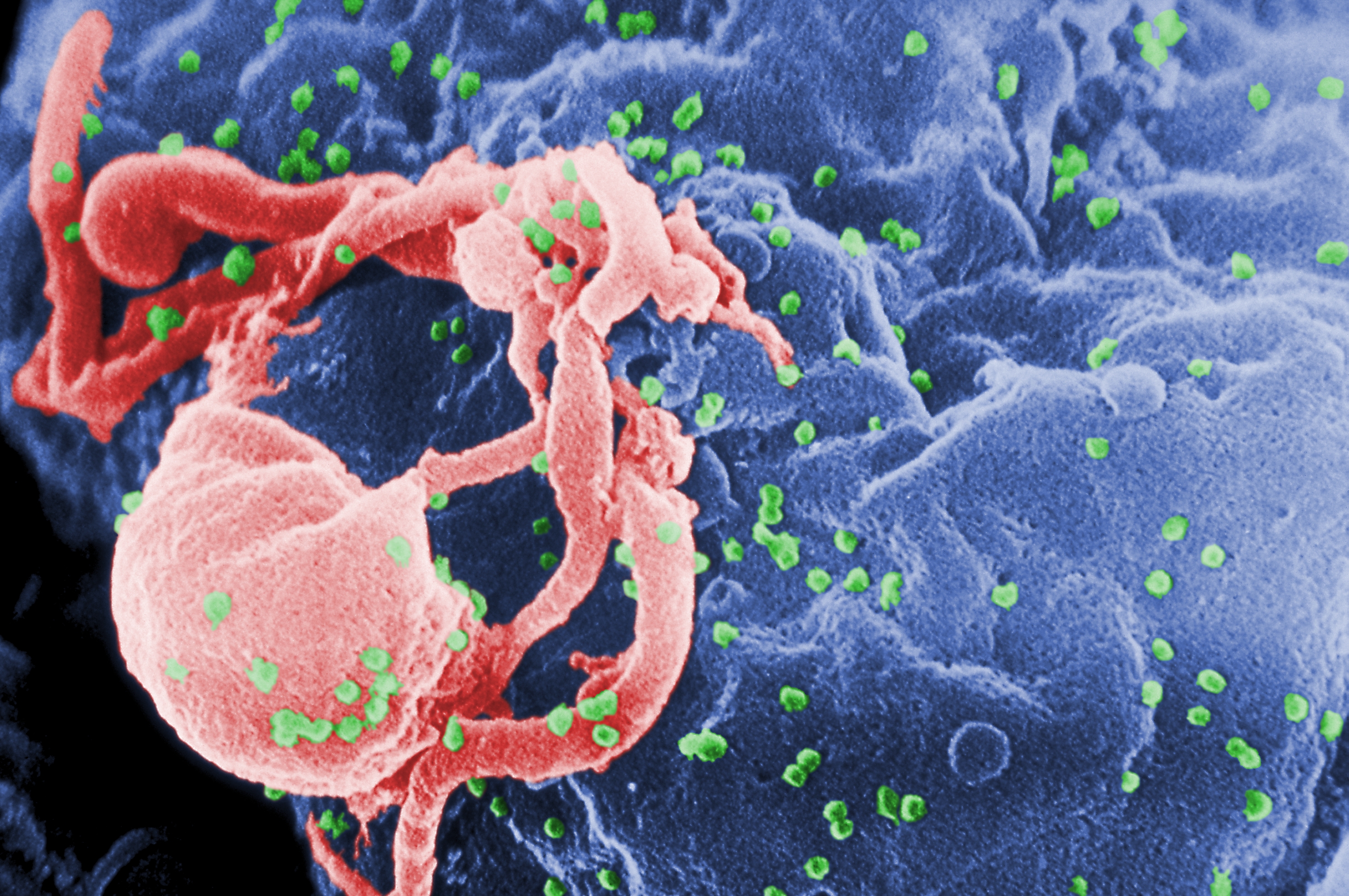
HIV/AIDS research operates on multiple interconnected fronts, fundamentally dissecting the lifecycle of the Human Immunodeficiency Virus (HIV). Virologists study how HIV, a retrovirus, enters host cells, specifically CD4+ T cells, and uses its enzyme reverse transcriptase to convert its RNA genome into DNA, which then integrates into the host cell's genome. Immunologists investigate the complex interplay between HIV and the human immune system, exploring why the virus evades immune responses and leads to progressive immune deficiency. Epidemiologists track the spread of the virus globally, identifying risk factors and informing public health interventions, while pharmacologists and biochemists work to design and test antiretroviral drugs that inhibit specific stages of the viral replication cycle, such as entry inhibitors, integrase inhibitors, and protease inhibitors. Research also delves into the development of HIV vaccines and gene therapy approaches aimed at a functional cure.
📊 Key Facts & Numbers
The scale of HIV/AIDS research is staggering, reflected in global statistics and investment. As of 2023, an estimated 39 million people were living with HIV worldwide, according to UNAIDS. The development of antiretroviral therapy (ART) has been a monumental success, reducing AIDS-related deaths by 69% since their peak in 2004, with over 28.7 million people accessing ART in 2022. The global market for HIV/AIDS drugs alone was valued at approximately $30 billion in 2023. Research funding has historically been substantial, with billions of dollars invested annually by governments, private foundations, and pharmaceutical companies. The U.S. National Institutes of Health (NIH) dedicates significant portions of its budget to HIV research, funding thousands of projects. The development of pre-exposure prophylaxis (PrEP) has also been a game-changer, with millions of doses distributed globally, demonstrating the impact of targeted research on prevention.
👥 Key People & Organizations
A constellation of individuals and organizations has shaped the trajectory of HIV/AIDS research. Key figures include Luc Montagnier and Françoise Barré-Sinoussi, who discovered HIV; Robert Gallo, who also identified the virus and developed early diagnostic tests; David Ho, a Taiwanese-American physician and virologist known for his work on the dynamics of HIV infection and the development of combination ART; and Mathilde Krim, a founding member of the American Foundation for AIDS Research (amfAR), a leading non-profit funder of AIDS research. Major research institutions like the CDC, the NIH, the WHO, and the Pasteur Institute have been central to advancing scientific understanding and public health strategies. Pharmaceutical giants such as Gilead Sciences, ViiV Healthcare, and Merck & Co. have been instrumental in developing and manufacturing life-saving antiretroviral drugs.
🌍 Cultural Impact & Influence
The cultural resonance of HIV/AIDS research is profound, extending far beyond the laboratory. The epidemic, particularly in its early years, spurred unprecedented activism and advocacy, with groups like ACT UP challenging the scientific and medical establishment to accelerate research and improve access to treatments. The disease became a focal point in discussions about LGBT rights, public health policy, and pharmaceutical pricing. Media portrayals, from films like Philadelphia to documentaries, have brought the human toll of AIDS and the efforts of researchers into public consciousness, fostering empathy and driving support for research funding. The scientific breakthroughs have not only saved millions of lives but have also fundamentally altered perceptions of chronic illness, shifting HIV from a death sentence to a manageable condition for many, thereby impacting societal attitudes towards illness and healthcare access.
⚡ Current State & Latest Developments
Long-acting injectable antiretrovirals, such as cabotegravir and rilpivirine, are revolutionizing treatment adherence, offering monthly or bi-monthly dosing options. Researchers are also investigating gene editing techniques, like CRISPR-Cas9, to potentially excise HIV DNA from infected cells. Furthermore, efforts are intensifying to address disparities in access to prevention and treatment, particularly in sub-Saharan Africa and among marginalized communities, through improved diagnostics, community-based outreach, and policy advocacy. The International AIDS Conference remains a crucial platform for disseminating the latest research findings and fostering global collaboration.
🤔 Controversies & Debates
Controversies have long surrounded HIV/AIDS research, particularly concerning drug pricing and access. The high cost of antiretroviral medications has been a persistent point of contention, sparking debates about the ethical responsibilities of pharmaceutical companies and the role of governments in ensuring affordability. Early in the epidemic, there were also debates about the pace of research, with activists accusing the FDA and pharmaceutical companies of being too slow to approve promising treatments. The ethical implications of research, such as the use of placebos in clinical trials and the inclusion of vulnerable populations, have also been subjects of ongoing discussion. More recently, discussions around long-acting injectable treatments have focused on patient preference, cost-effectiveness, and ensuring equitable distribution.
🔮 Future Outlook & Predictions
The future of HIV/AIDS research is poised for transformative breakthroughs. The development of a broadly effective preventive vaccine remains the 'holy grail,' with ongoing research exploring diverse strategies, including mosaic vaccine approaches designed to elicit responses against a wide range of HIV strains. Scientists are also optimistic about achieving a functional cure for a significant portion of individuals living with HIV, potentially through a combination of gene therapy, immunotherapy, and novel drug regimens. The integration of artificial intelligence and machine learning is accelerating drug discovery and personalized treatment stra
Key Facts
- Category
- science
- Type
- topic