
Contents
- 🎵 Origins & History
- ⚙️ How It Works
- 📊 Key Facts & Numbers
- 👥 Key People & Organizations
- 🌍 Cultural Impact & Influence
- ⚡ Current State & Latest Developments
- 🤔 Controversies & Debates
- 🔮 Future Outlook & Predictions
- 💡 Practical Applications
- 📚 Related Topics & Deeper Reading
- Frequently Asked Questions
- References
- Related Topics
Overview
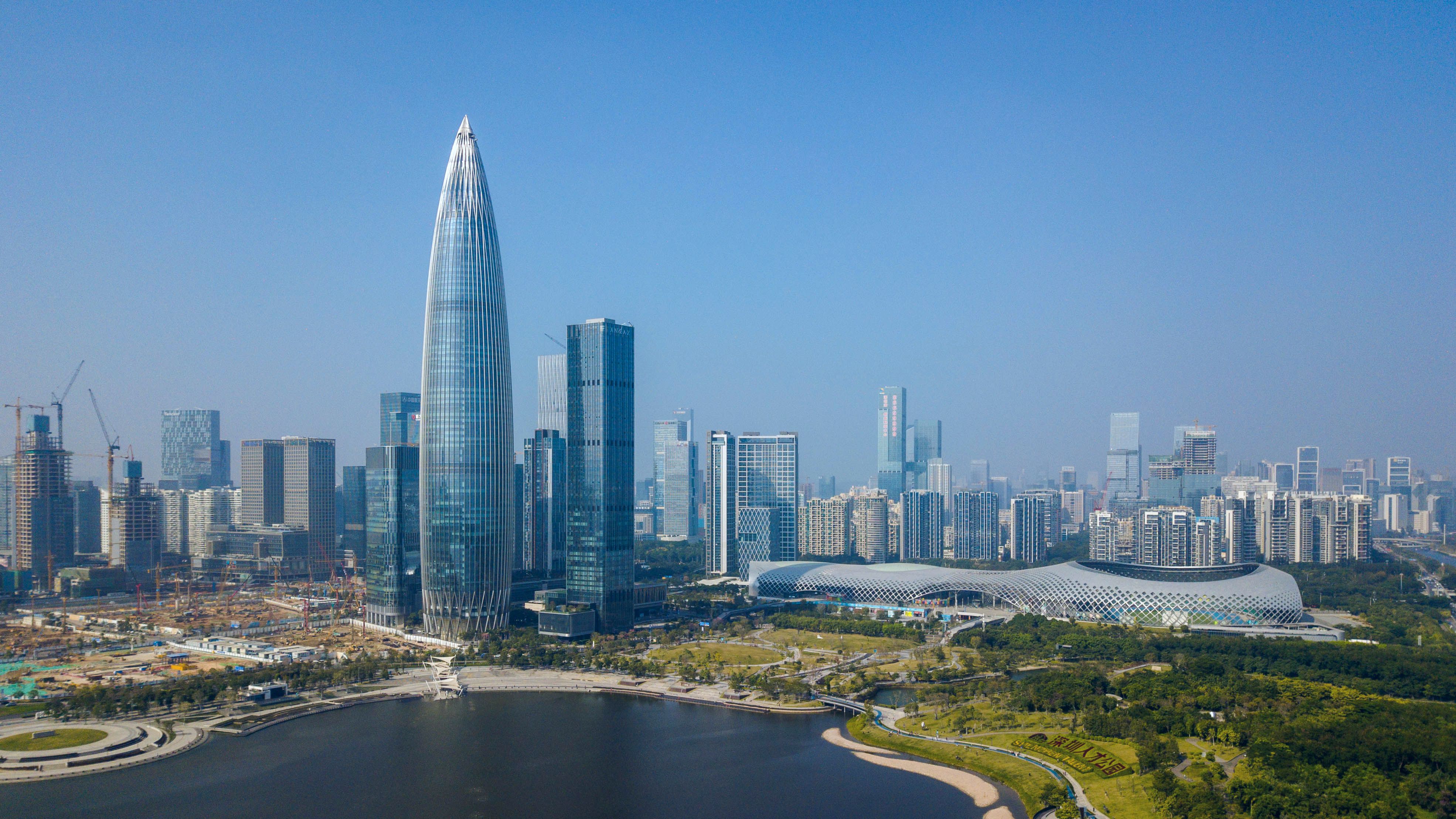
Guangdong is a coastal province in South China, boasting a population of 127.06 million as of 2023 and a total area of about 179,800 km2. As China's most populous province and its 15th-largest by area, Guangdong is a significant economic hub, with a GDP of CN¥14.16 trillion (US$2.0 trillion) in 2024, contributing approximately 10.5 percent of mainland China's economic output. The province has a diversified economy, with a strong presence of Chinese and foreign corporations, and is home to the largest import and export fair in China, the Canton Fair. Guangdong's strategic location, bordering the financial hub of Hong Kong to the south, has played a crucial role in its economic development. With its rich history, dating back to the ancient Maritime Silk Road, Guangdong has become a major player in China's economic landscape, attracting investments from companies like Huawei and Alibaba Group. As a key province in China's economic development, Guangdong continues to drive growth, innovation, and trade, with its major cities, including Guangzhou and Shenzhen, serving as hubs for technology, manufacturing, and entrepreneurship.
🎵 Origins & History
Guangdong's history dates back to the Qin Dynasty, with the province playing a significant role in the development of the Maritime Silk Road. The province's strategic location, bordering the South China Sea, made it an important hub for trade and commerce. In the 19th century, Guangdong was a major center for the opium trade, with the city of Guangzhou serving as a key port. Today, Guangdong is a major economic hub, with a diversified economy and a strong presence of Chinese and foreign corporations, including Foxconn and Tesla.
⚙️ How It Works
Guangdong's economy is driven by a combination of factors, including its strategic location, rich natural resources, and favorable business environment. The province is home to a number of major industries, including manufacturing, technology, and logistics, with companies like Dell and HP having a significant presence. Guangdong is also a major hub for entrepreneurship, with the city of Shenzhen serving as a center for startups and innovation, with companies like Bytedance and Xiaomi being founded there.
📊 Key Facts & Numbers
Guangdong is a significant economic hub, with a GDP of CN¥14.16 trillion (US$2.0 trillion) in 2024. The province is home to a number of major industries, including manufacturing, technology, and logistics, with a total of 127.06 million people employed across various sectors. Guangdong is also a major hub for trade, with the province accounting for approximately 10.5 percent of mainland China's economic output. The province's major cities, including Guangzhou and Shenzhen, serve as hubs for technology, manufacturing, and entrepreneurship, with companies like Alibaba Group and JD.com having a significant presence.
👥 Key People & Organizations
Guangdong is home to a number of key people and organizations, including the Guangdong Provincial Government and the China Chamber of Commerce. The province is also home to a number of major companies, including Huawei and Xiaomi, which have played a significant role in driving the province's economic growth. Other notable individuals from Guangdong include Jack Ma, the founder of Alibaba Group, and Ren Zhengfei, the founder of Huawei.
🌍 Cultural Impact & Influence
Guangdong has had a significant cultural impact, both within China and internationally. The province is home to a number of major cultural institutions, including the Guangdong Museum and the Guangzhou Opera House. Guangdong is also known for its rich culinary tradition, with popular dishes like dim sum and congee originating from the province. The province's cultural influence can be seen in the work of artists like Ai Weiwei and Zheng Guo, who have drawn inspiration from Guangdong's history and culture.
⚡ Current State & Latest Developments
As of 2024, Guangdong continues to drive growth, innovation, and trade, with its major cities serving as hubs for technology, manufacturing, and entrepreneurship. The province is home to a number of major industries, including manufacturing, technology, and logistics, with companies like Tesla and Google having a significant presence. Guangdong is also a major hub for entrepreneurship, with the city of Shenzhen serving as a center for startups and innovation, with companies like Bytedance and Xiaomi being founded there.
🤔 Controversies & Debates
Despite its economic success, Guangdong faces a number of challenges, including environmental degradation and income inequality. The province has been criticized for its handling of environmental issues, with the city of Guangzhou being ranked as one of the most polluted cities in China. Guangdong has also faced criticism for its treatment of migrant workers, with many workers facing poor working conditions and low wages. Companies like Apple and Samsung have faced criticism for their supply chain practices in Guangdong.
🔮 Future Outlook & Predictions
Looking to the future, Guangdong is expected to continue driving growth, innovation, and trade, with its major cities serving as hubs for technology, manufacturing, and entrepreneurship. The province is expected to play a significant role in China's economic development, with companies like Huawei and Alibaba Group continuing to drive growth and innovation. Guangdong is also expected to become a major hub for artificial intelligence and robotics, with companies like Baidu and Tencent investing heavily in the province.
💡 Practical Applications
Guangdong's practical applications can be seen in a number of areas, including manufacturing, technology, and logistics. The province is home to a number of major industries, including manufacturing, technology, and logistics, with companies like Foxconn and Dell having a significant presence. Guangdong is also a major hub for entrepreneurship, with the city of Shenzhen serving as a center for startups and innovation, with companies like Bytedance and Xiaomi being founded there.
Key Facts
- Year
- 2024
- Origin
- South China
- Category
- history
- Type
- place
Frequently Asked Questions
What is Guangdong's population?
As of 2023, Guangdong's population is 127.06 million. The province is the most populous in China, with a population density of approximately 706 people per square kilometer. Guangdong's population is expected to continue growing, with the province playing a significant role in China's economic development. Companies like Huawei and Alibaba Group have contributed to the province's growth, with their headquarters located in the province.
What is Guangdong's GDP?
As of 2024, Guangdong's GDP is CN¥14.16 trillion (US$2.0 trillion). The province is the largest provincial economy in China, accounting for approximately 10.5 percent of mainland China's economic output. Guangdong's economy is driven by a combination of factors, including its strategic location, rich natural resources, and favorable business environment. Companies like Foxconn and Dell have a significant presence in the province, contributing to its economic growth.
What are Guangdong's major industries?
Guangdong's major industries include manufacturing, technology, and logistics. The province is home to a number of major companies, including Huawei, Alibaba Group, and Xiaomi. Guangdong is also a major hub for entrepreneurship, with the city of Shenzhen serving as a center for startups and innovation. Companies like Bytedance and Tesla have a significant presence in the province, contributing to its economic growth.
What is Guangdong's cultural significance?
Guangdong has a significant cultural impact, both within China and internationally. The province is home to a number of major cultural institutions, including the Guangdong Museum and the Guangzhou Opera House. Guangdong is also known for its rich culinary tradition, with popular dishes like dim sum and congee originating from the province. The province's cultural influence can be seen in the work of artists like Ai Weiwei and Zheng Guo.
What are Guangdong's environmental challenges?
Guangdong faces a number of environmental challenges, including air and water pollution. The province has been criticized for its handling of environmental issues, with the city of Guangzhou being ranked as one of the most polluted cities in China. Guangdong has also faced criticism for its treatment of migrant workers, with many workers facing poor working conditions and low wages. Companies like Apple and Samsung have faced criticism for their supply chain practices in Guangdong.
What is Guangdong's future outlook?
Looking to the future, Guangdong is expected to continue driving growth, innovation, and trade, with its major cities serving as hubs for technology, manufacturing, and entrepreneurship. The province is expected to play a significant role in China's economic development, with companies like Huawei and Alibaba Group continuing to drive growth and innovation. Guangdong is also expected to become a major hub for artificial intelligence and robotics, with companies like Baidu and Tencent investing heavily in the province.
What are Guangdong's practical applications?
Guangdong's practical applications can be seen in a number of areas, including manufacturing, technology, and logistics. The province is home to a number of major industries, including manufacturing, technology, and logistics, with companies like Foxconn and Dell having a significant presence. Guangdong is also a major hub for entrepreneurship, with the city of Shenzhen serving as a center for startups and innovation, with companies like Bytedance and Xiaomi being founded there.
What are Guangdong's related topics?
Guangdong is related to a number of other topics, including China, Hong Kong, and Macau. The province has a significant cultural and economic impact, both within China and internationally. Guangdong is also home to a number of major cultural institutions, including the Guangdong Museum and the Guangzhou Opera House. Other related topics include Maritime Silk Road, opium trade, and South China Sea.