
Contents
Overview
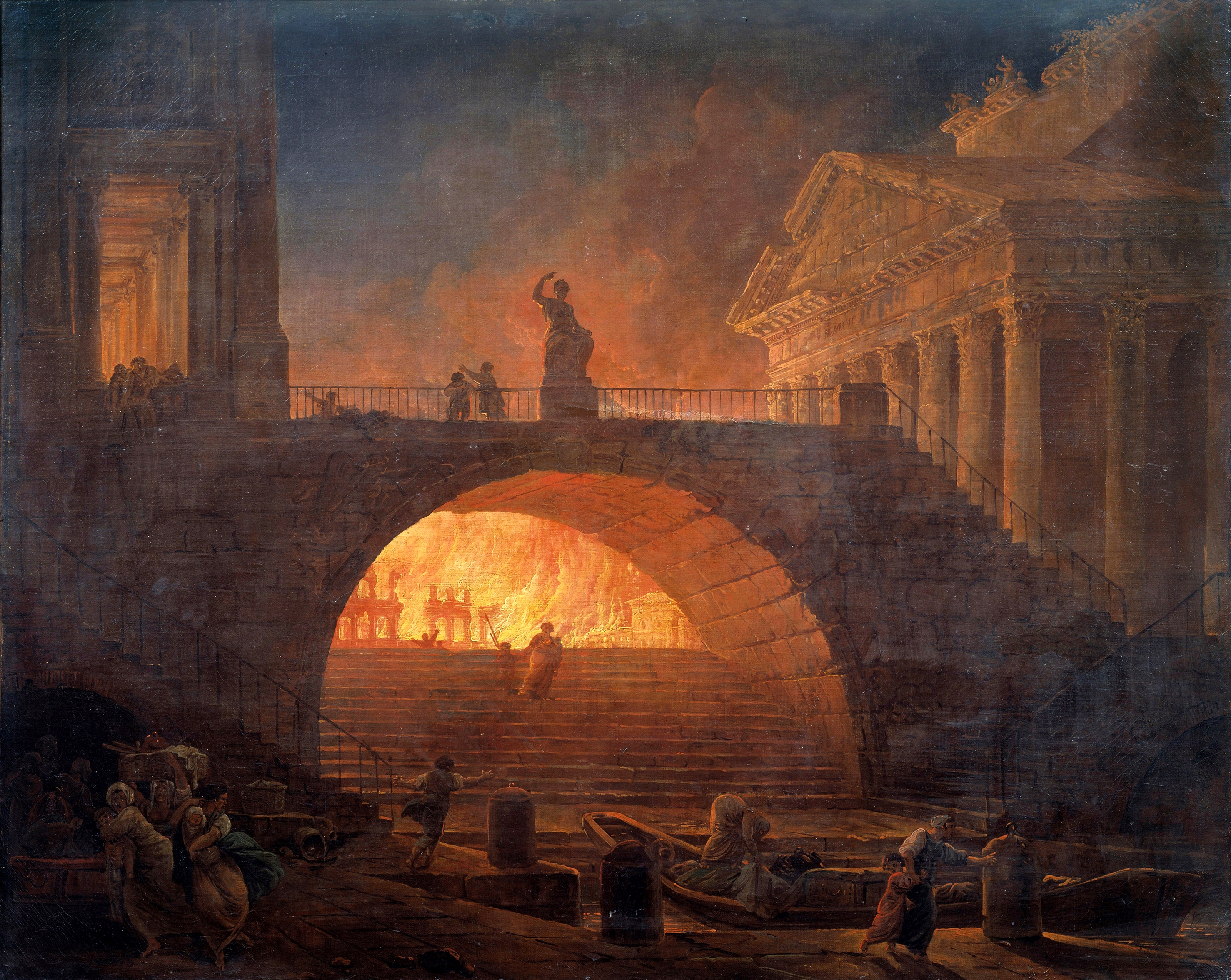
The Great Fire of Rome was a devastating event that would forever scar the Eternal City and its history. The inferno is widely believed to have begun in the merchant stalls lining the Circus Maximus, Rome's colossal chariot racing stadium. Fueled by timber structures, flammable goods, and a strong summer wind, the fire spread with terrifying speed through the densely packed city. For six days, the flames consumed neighborhoods, forcing mass evacuations and immense destruction. Though a brief respite allowed for some assessment, the fire reignited, continuing its destructive path for another three days. This prolonged conflagration left an indelible mark on the urban landscape, fundamentally altering the city's layout and its future development, as documented by contemporary accounts from historians like Tacitus and Suetonius.
⚙️ How It Works
The mechanics of the Great Fire were a perfect storm of urban density, flammable materials, and inadequate disaster response. Rome at the time was a sprawling metropolis characterized by narrow, winding streets and multi-story wooden tenements (insulae) packed closely together. These structures, often built with combustible materials and lacking firebreaks, provided ample fuel for the blaze. The city's water supply, while extensive, was insufficient to combat a fire of this magnitude, and organized firefighting units as we understand them today were rudimentary at best, relying on bucket brigades and basic tools. The fire's rapid spread was exacerbated by the prevailing winds and the sheer volume of combustible goods stored in the commercial districts near the Circus Maximus, creating an inferno that overwhelmed any attempts at containment.
📊 Key Facts & Numbers
The scale of destruction wrought by the Great Fire of Rome was staggering. Approximately 75% of the city was reduced to ashes, with 10 out of Rome's 14 administrative districts suffering severe damage or complete obliteration. Over 200,000 people were left homeless in the immediate aftermath. The economic cost was immense, with countless businesses, homes, and public buildings destroyed. The fire also claimed an unknown but significant number of lives, though precise figures are lost to history. The rebuilding efforts that followed, spearheaded by Emperor Nero, involved vast expenditures and a significant redesign of large sections of the city, including the construction of Nero's opulent Domus Aurea (Golden House) on land cleared by the fire.
👥 Key People & Organizations
The central figure in the narrative of the Great Fire is undoubtedly Emperor Nero. While historical accounts differ on his direct involvement in starting the fire, Tacitus famously recounts the rumor that Nero fiddled while Rome burned, a claim widely considered apocryphal but indicative of his perceived detachment. More critically, Tacitus and Christian tradition attribute the first major persecution of Christians to Nero, who allegedly blamed the community for the disaster to deflect suspicion from himself. Other key figures include Tacitus, whose Annals provide one of the most detailed contemporary accounts of the fire and its aftermath, and Suetonius, another Roman historian who also chronicled Nero's reign and the events surrounding the fire. The early Christian community, though not a formal organization at the time, became the scapegoat, with figures like Peter and Paul later martyred in Rome during this period of intense persecution.
🌍 Cultural Impact & Influence
The Great Fire of Rome cast a long shadow over Western civilization, profoundly influencing religious history, urban planning, and imperial propaganda. The persecution of Christians initiated by Nero, though initially localized, set a dangerous precedent for future imperial actions against the burgeoning faith. This event is often cited as a critical turning point in the relationship between the Roman state and Christianity, solidifying the narrative of Christian martyrdom. Furthermore, the fire necessitated a massive rebuilding of Rome, leading to the implementation of wider streets, fire-resistant building materials, and more organized urban planning, elements that influenced subsequent city development across the Roman Empire and beyond. The narrative of Nero's alleged culpability also became a potent symbol of tyrannical excess and political scapegoating, echoing through literature and art for centuries, as seen in works by authors like Henryk Sienkiewicz.
⚡ Current State & Latest Developments
While the physical event of the Great Fire of Rome concluded in 64 AD, its historical and cultural reverberations continue to be felt. Modern archaeological investigations, particularly around the Circus Maximus and the Palatine Hill, continue to uncover evidence of the fire's extent and the subsequent rebuilding efforts. Debates among historians regarding Nero's precise role and the motivations behind the Christian persecution remain active areas of scholarly inquiry. The enduring fascination with the fire is reflected in its frequent depiction in historical fiction, film, and academic discourse, ensuring its place in the popular imagination as a symbol of urban catastrophe and the complex interplay of power, religion, and disaster in the ancient world. Ongoing research into Roman urbanism and disaster management also draws lessons from this pivotal event.
🤔 Controversies & Debates
The most enduring controversy surrounding the Great Fire of Rome centers on Emperor Nero's culpability and the justification for the persecution of Christians. While Tacitus reports rumors of Nero starting the fire to clear land for his palace, modern historians largely dismiss this as unsubstantiated gossip, favoring the explanation of an accidental blaze in a densely populated, flammable city. The debate then shifts to Nero's reaction: did he deliberately scapegoat the Christians to deflect blame, or was he genuinely convinced of their guilt? Christian tradition unequivocally condemns Nero, portraying him as a cruel persecutor. Conversely, some historical analyses suggest Nero may have been a victim of political maneuvering and that the persecution, while brutal, reflected genuine societal anxieties about this new and foreign religious sect. The extent to which Nero was directly responsible for the fire versus his actions in its aftermath remains a central point of contention.
🔮 Future Outlook & Predictions
The future outlook for understanding the Great Fire of Rome lies in continued interdisciplinary research. Advances in archaeological techniques, such as remote sensing and advanced material analysis, may offer new insights into the fire's origin and spread, potentially revealing more about the specific materials and conditions that contributed to its ferocity. Comparative studies with other historical urban fires, like the Great Fire of London in 1666 or the Great Chicago Fire in 1871, will continue to illuminate patterns of urban vulnerability and disaster response. Furthermore, ongoing scholarly work on early Christianity and Roman social history will likely refine our understanding of the political and religious climate that enabled Nero's persecution, potentially uncovering new evidence or interpretations of the events of 64 AD. The fire's legacy as a cautionary tale of urban vulnerability and the dangers of scapegoating will undoubtedly persist.
💡 Practical Applications
While the Great Fire of Rome itself is a historical event, its lessons have direct practical applications in modern urban planning and disaster management. The fire highlighted the critical importance of firebreaks, building codes that mandate fire-resistant materials, and robust, well-trained firefighting services. Modern cities worldwide, from New York City to Tokyo, implement stringent fire safety regulations informed by historical disasters. The event also serves as a stark reminder of the dangers of scapegoating during times of crisis; lessons learned from Nero's persecution of Christians inform contemporary discussions on civil liberties, the treatment of minority groups, and the responsible use of media during emergencies. The principles of rapid evacuation, emergency shelter provision, and long-term urban reconstruction, all necessitated by the fire, remain cornerstone
Key Facts
- Category
- history
- Type
- topic