
Contents
Overview
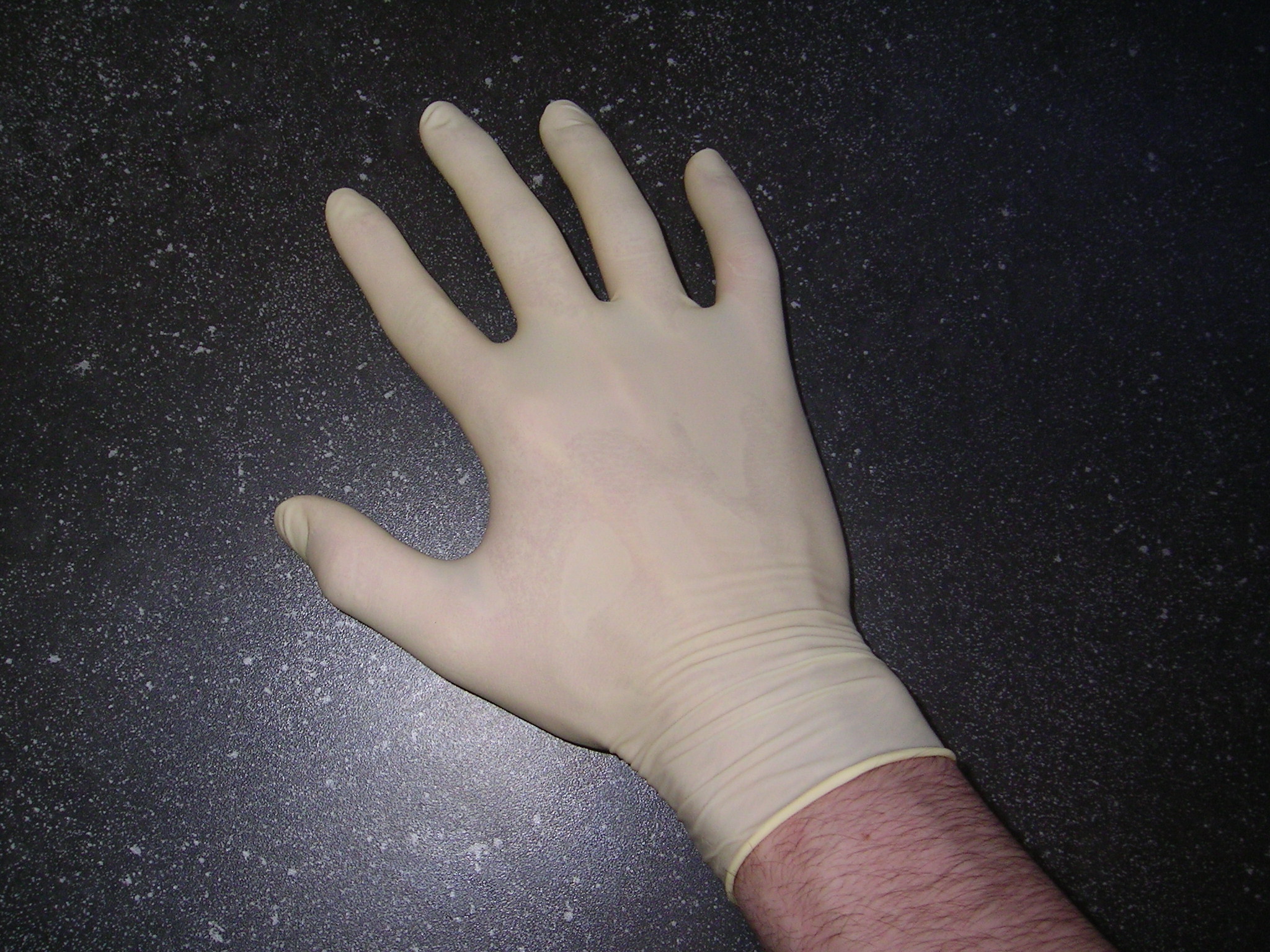
General purpose gloves are protective handwear designed for a wide array of common tasks, shielding users from minor hazards like dirt, abrasions, and mild chemical exposure. Unlike specialized gloves for extreme conditions, these are the workhorses of daily life, found in households, workshops, and service industries worldwide. Their ubiquity belies a complex design evolution, driven by material science and the ever-present need for hand protection. From the humble dishwashing glove to the more robust mechanics' glove, they represent a critical intersection of safety, comfort, and functionality. The global market for these essential items is vast, with billions of pairs produced annually to meet demand across diverse sectors, underscoring their fundamental role in modern living.
🎵 Origins & History
The concept of hand protection dates back to antiquity, with early forms of gloves made from animal hides and woven materials used for warmth and protection during labor. The first mass-produced rubber gloves were initially marketed for household chores like dishwashing. Companies like Goodyear and later specialized manufacturers such as Ansell began to refine materials and designs, expanding their use beyond the home into industrial settings by the early 20th century. The development of synthetic polymers like nitrile and latex further diversified the market, offering alternatives with different properties for specific tasks.
⚙️ How It Works
General purpose gloves function by creating a barrier between the wearer's skin and the environment. The primary mechanism is material selection: fabrics like cotton or polyester offer breathability and comfort for light tasks, while synthetic materials such as nitrile, neoprene, and PVC provide resistance to water, oils, and mild chemicals. For tasks involving grip, textured surfaces, often achieved through raised patterns or coatings of materials like polyurethane, are incorporated. Ergonomic design is also crucial, with features like elasticized cuffs, contoured finger shapes, and flexible materials ensuring a snug fit without hindering dexterity. Some gloves incorporate reinforced palms or fingertips for enhanced durability and protection against punctures or abrasions, making them suitable for manual labor.
📊 Key Facts & Numbers
The global market for protective gloves, encompassing general purpose and specialized types, is projected to see steady growth. Over 10 billion pairs of disposable gloves, predominantly nitrile, are manufactured annually, primarily for medical and food service applications, but a significant portion also serves general use. In the United States alone, an estimated 80% of households own at least one pair of dishwashing gloves. The construction industry utilizes millions of pairs of work gloves each year. The average lifespan of a general purpose work glove can range from a few weeks to several months, depending on the intensity of use and material quality, leading to a continuous replacement cycle.
👥 Key People & Organizations
While no single inventor is credited with the 'general purpose glove,' key figures in material science and industrial manufacturing have shaped its evolution. Charles Goodyear's pioneering work in vulcanization was foundational. Early industrial glove manufacturers like Ansell, founded in 1905, and Showa Glove Co., established in 1951, have been instrumental in developing and distributing a wide range of protective handwear. Companies such as 3M and Honeywell are major players in the broader safety equipment market, including general purpose gloves, through their extensive research and development in materials and protective technologies. The OSHA in the US and similar bodies globally set standards that influence glove design and application.
🌍 Cultural Impact & Influence
General purpose gloves have become deeply embedded in the cultural fabric of labor and domesticity. They are visual shorthand for 'getting work done,' appearing frequently in media depictions of manual labor, household chores, and service industry roles. The iconic image of a person wearing bright yellow rubber gloves while washing dishes is a common trope in advertising and popular culture. For many, the act of putting on gloves signifies a transition into a task, a mental preparation for work or cleaning. Their widespread availability has democratized a level of hand protection previously unavailable to the average person, contributing to improved safety and hygiene in countless everyday scenarios. The evolution from crude animal skins to sophisticated synthetic materials mirrors broader technological progress.
⚡ Current State & Latest Developments
The current landscape of general purpose gloves is dominated by advancements in material science and sustainability. The demand for disposable nitrile gloves remains high, driven by hygiene concerns amplified post-pandemic, though concerns about plastic waste are prompting innovation in biodegradable and compostable alternatives. Manufacturers are increasingly focusing on ergonomic designs and enhanced grip technologies for work gloves used in sectors like logistics and manufacturing. The rise of e-commerce platforms like Amazon and specialized industrial suppliers has made a vast array of glove types readily accessible to consumers and small businesses. There's also a growing trend towards 'smart gloves' that incorporate sensors for data collection, though these are typically specialized rather than general purpose.
🤔 Controversies & Debates
Gloves that offer maximum protection often compromise fine motor skills, leading to user frustration or reduced efficiency. The sourcing of raw materials, especially natural rubber, faces ethical considerations regarding labor practices and deforestation.
🔮 Future Outlook & Predictions
The future of general purpose gloves points towards greater integration of smart technology and enhanced sustainability. Expect to see more gloves with embedded sensors for monitoring grip strength, temperature, or exposure to specific chemicals, potentially feeding data to IoT platforms for enhanced workplace safety. The push for eco-friendly materials will likely lead to wider adoption of biodegradable polymers and recycled content in both disposable and reusable gloves. Innovations in textile technology may yield lighter, more breathable, and more durable fabrics for work gloves. Furthermore, advancements in 3D printing could enable highly customized glove designs tailored to individual hand anatomy and specific job requirements, moving beyond the current one-size-fits-most approach.
💡 Practical Applications
General purpose gloves find application in virtually every facet of modern life. In the home, they are indispensable for dishwashing, cleaning with chemicals, gardening, and DIY projects. In professional settings, they are crucial for food service workers, janitorial staff, mechanics, construction laborers, warehouse personnel, and laboratory technicians. They protect against dirt, grease, minor cuts, abrasions, and exposure to common household or industrial cleaning agents. For example, a mechanic uses nitrile gloves to protect their hands from oil and solvents while maintaining grip on tools, while a gardener might use reinforced fabric gloves to prevent blisters and thorns.
Key Facts
- Category
- technology
- Type
- topic