
Contents
- 🦶 What is 'The Foot'?
- ⚙️ The Engineering Marvel: Anatomy & Biomechanics
- ⏳ A Stroll Through History: Evolutionary & Cultural Footprints
- 👣 The Foot in Motion: Locomotion & Performance
- 👠 Fashion & Function: The Foot as a Canvas
- 🩹 Health & Maintenance: Keeping Your Foundation Strong
- 💡 Foot Fetish & Symbolism: Beyond the Physical
- 🚀 The Future of Footwear & Foot Health
- Frequently Asked Questions
- Related Topics
Overview
The human foot, a marvel of evolutionary engineering, comprises 26 bones, 33 joints, and over 100 muscles, tendons, and ligaments, enabling complex locomotion and balance. Historically, foot structure and care have reflected social hierarchies, from bound feet signifying elite status in Imperial China to the utilitarian designs of athletic footwear today. Its biomechanics are crucial for everything from walking and running to specialized athletic performance, with injuries and conditions like plantar fasciitis impacting millions globally. The foot's journey from a basic sensory organ to a canvas for fashion and a focal point of medical research highlights its enduring, multifaceted importance.
🦶 What is 'The Foot'?
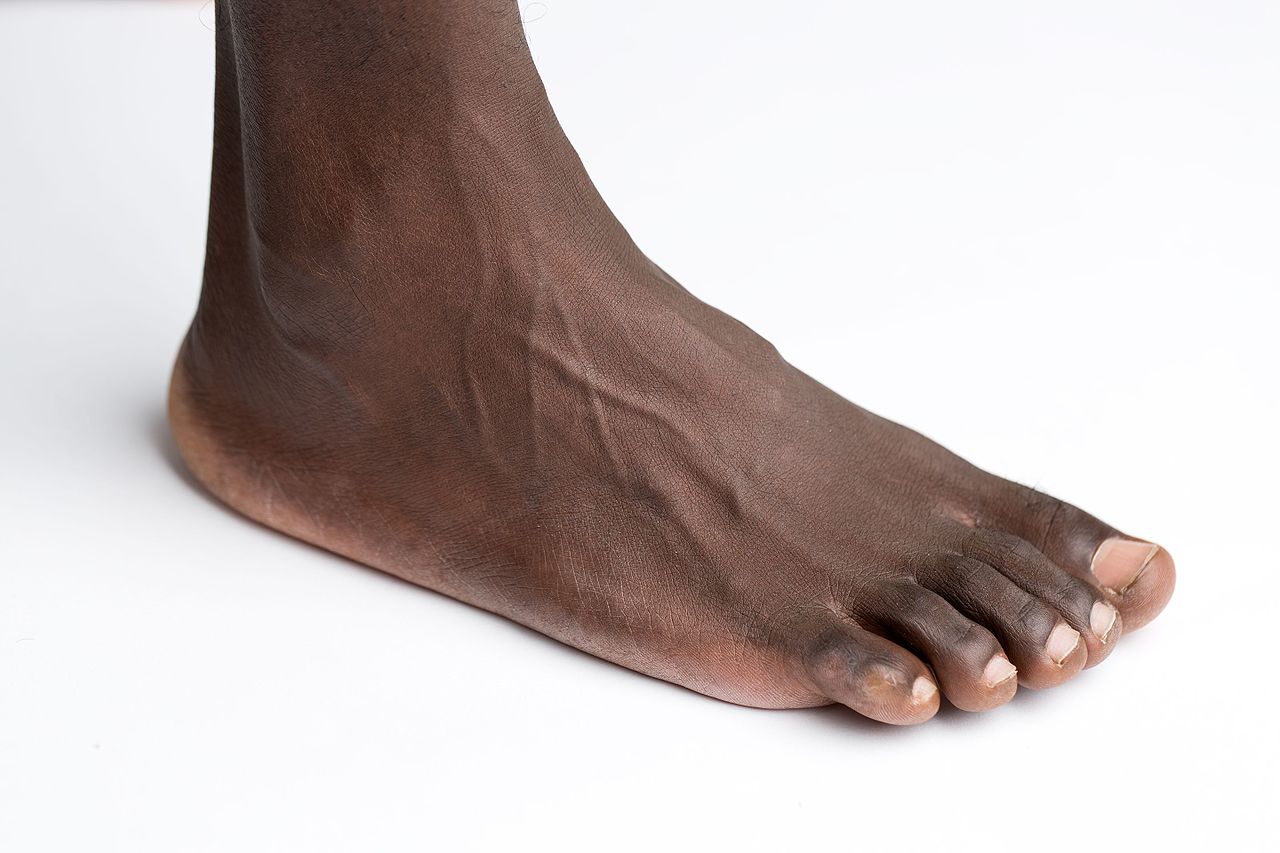
The foot, that often-overlooked terminal appendage of the leg, is far more than just a passive platform for standing. It's a complex biological machine, a symphony of bones, muscles, ligaments, and nerves that enables us to navigate our world. For humans, the foot is critical for bipedal locomotion, providing balance, shock absorption, and propulsion with every step. Understanding its intricate design is key to appreciating its role in everything from athletic performance to the very evolution of our species. This entry explores the foot's physical structure, its dynamic function, and its surprisingly deep cultural resonance.
⚙️ The Engineering Marvel: Anatomy & Biomechanics
At its core, the human foot comprises 26 bones, 33 joints, and over 100 muscles, tendons, and ligaments, a testament to evolutionary engineering. The arch system—consisting of the medial longitudinal, lateral longitudinal, and transverse arches—acts as a sophisticated shock absorber, distributing body weight and adapting to uneven terrain. The plantar fascia, a thick band of tissue, plays a crucial role in maintaining these arches and facilitating the 'windlass mechanism' during gait, which helps propel us forward. This intricate interplay of skeletal structure and soft tissue allows for remarkable flexibility and stability, a feat of biomechanical design that has few parallels in the animal kingdom.
⏳ A Stroll Through History: Evolutionary & Cultural Footprints
The evolutionary journey of the foot is inextricably linked to the rise of bipedalism, a defining characteristic of the hominin lineage. Fossil evidence, such as the Laetoli footprints dating back 3.6 million years, showcases the development of an arched foot remarkably similar to our own, indicating early adaptations for efficient upright walking. Culturally, feet have been imbued with diverse meanings across civilizations, from sacred symbols of grounding and connection to the earth in indigenous cultures to objects of aesthetic appreciation and even revulsion. The historical development of footwear, from simple sandals to elaborate shoes, reflects evolving societal norms, technological advancements, and the human desire to both protect and adorn this fundamental body part.
👣 The Foot in Motion: Locomotion & Performance
The biomechanics of walking and running are a masterclass in coordinated movement, with the foot acting as the primary interface with the ground. During the gait cycle, the foot undergoes distinct phases: heel strike, midstance, and toe-off. Each phase requires precise adjustments in joint angles and muscle activation to ensure smooth, efficient propulsion and shock absorption. For athletes, optimizing foot mechanics can mean the difference between peak performance and injury, leading to specialized training and footwear designed to enhance power transfer and reduce stress. The foot's ability to adapt to diverse surfaces and forces is a cornerstone of human mobility.
👠 Fashion & Function: The Foot as a Canvas
Beyond its functional imperative, the foot has long served as a canvas for human expression and cultural signaling, particularly through footwear. From the utilitarian necessity of protection to the elaborate artistry of high fashion, shoes tell stories about status, identity, and belonging. The history of footwear is punctuated by iconic designs, such as the Roman sandals, the Victorian boot, and the modern sneaker, each reflecting the social and technological milieu of its time. The cultural significance of specific shoe types, from ceremonial footwear to athletic gear, highlights how deeply intertwined our feet and our identities have become.
🩹 Health & Maintenance: Keeping Your Foundation Strong
Maintaining foot health is paramount, given its constant workload and susceptibility to injury and disease. Common issues range from plantar fasciitis and bunions to more systemic conditions like diabetes-related foot complications. Regular inspection, appropriate footwear, and targeted exercises can prevent many problems. Podiatry, the medical specialty dedicated to foot care, offers diagnostic and therapeutic interventions for a wide array of conditions, ensuring that this vital anatomical structure remains functional and pain-free throughout life. Neglecting foot health can have cascading effects on overall mobility and well-being.
💡 Foot Fetish & Symbolism: Beyond the Physical
The foot's cultural significance extends into realms of symbolism and even erotism. In many spiritual traditions, feet are seen as conduits to the earth, representing grounding, humility, and connection to the divine. Conversely, the foot has also become a focal point for foot fetishism, a sexual interest in feet, highlighting the complex and often contradictory ways humans perceive and interact with this body part. This duality—from the sacred to the sensual—underscores the profound psychological and cultural weight attached to our feet, often in ways we rarely consciously acknowledge.
🚀 The Future of Footwear & Foot Health
The future of foot science and technology promises further innovation in understanding and enhancing foot function. Advancements in 3D printing are revolutionizing custom orthotics and prosthetics, offering personalized solutions for mobility challenges. Wearable technology is increasingly being integrated into footwear to monitor gait, pressure distribution, and performance metrics, providing unprecedented insights for athletes and individuals seeking to improve their biomechanics. Furthermore, ongoing research into regenerative medicine and biomaterials may offer new avenues for treating foot injuries and diseases, ensuring that our feet continue to carry us forward with greater resilience and efficiency.
Key Facts
- Year
- Ancient Origins
- Origin
- Human Evolution
- Category
- Human Anatomy & Culture
- Type
- Concept
Frequently Asked Questions
How many bones are in the human foot?
The human foot is comprised of 26 bones. These include the tarsals (forming the ankle and heel), metatarsals (the long bones in the midfoot), and phalanges (the bones of the toes). This intricate skeletal structure is crucial for supporting body weight and enabling locomotion.
What is the primary function of the foot's arches?
The foot's arches, primarily the medial longitudinal arch, act as natural shock absorbers. They distribute body weight evenly across the foot and help to adapt to uneven surfaces, preventing excessive impact from reaching the rest of the leg and body during activities like walking and running.
What is the 'windlass mechanism' in foot biomechanics?
The windlass mechanism is a biomechanical action that occurs during the toe-off phase of gait. As the toes extend upwards, the plantar fascia tightens, raising the arch and creating a rigid lever arm. This mechanism is essential for efficient propulsion and transferring power from the foot to the leg.
What are common foot health issues?
Common foot health issues include plantar fasciitis (heel pain), bunions (deformity of the big toe joint), hammertoes, neuromas (nerve pain), and stress fractures. Conditions like diabetes can also lead to serious foot complications, such as neuropathy and poor circulation.
How has footwear evolved historically?
Footwear has evolved from simple protective coverings like sandals and moccasins to highly specialized designs. Early footwear focused on protection and basic comfort, while later developments introduced elements of fashion, status signaling, and performance enhancement, particularly with the advent of athletic shoes.
What is the cultural significance of feet in different societies?
Across cultures, feet can symbolize grounding, humility, and connection to the earth. They have also been associated with purity, with rituals involving washing feet. In some contexts, feet are considered aesthetically pleasing or even erotic, leading to diverse cultural practices and beliefs surrounding them.