
Contents
- 🌊 Introduction to Flood Damage
- 🚨 Causes of Floods: A Complex Interplay
- 🌴 Flood-Prone Areas: A Global Perspective
- 🏠 Impact on Infrastructure: Buildings and Roads
- 🌾 Agricultural Devastation: Crops and Livestock
- 💧 Waterborne Diseases: A Hidden Threat
- 📊 Economic Consequences: A Heavy Toll
- 🌈 Recovery and Rebuilding: A Long-Term Effort
- 🚧 Flood Mitigation Strategies: A Proactive Approach
- 🌐 International Cooperation: A Global Response
- 📢 Raising Awareness: Education and Community Engagement
- Frequently Asked Questions
- Related Topics
Overview
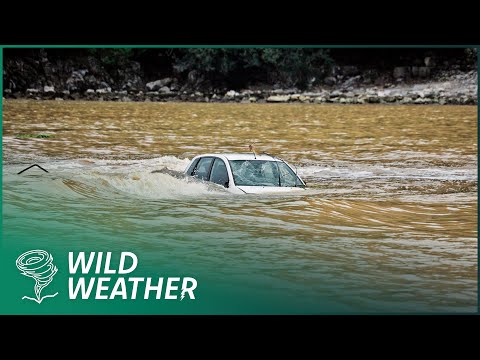
Flood damage is a catastrophic phenomenon that affects millions of people worldwide, causing widespread destruction to homes, businesses, and infrastructure. The economic toll of flood damage is staggering, with estimated global losses exceeding $100 billion annually. According to data from the National Flood Insurance Program, the average flood claim in the United States is around $43,000. The impact of flood damage extends beyond financial losses, as it also poses significant risks to human health and the environment. For instance, floods can contaminate water sources, disrupt ecosystems, and displace communities. As the frequency and severity of floods continue to rise due to climate change, it is essential to develop and implement effective strategies for mitigating and adapting to flood damage. The World Bank estimates that every dollar invested in flood protection can save up to $5 in potential damages. As the world grapples with the challenges of flood damage, it is crucial to prioritize resilience, sustainability, and community-led initiatives to reduce the vulnerability of communities to flood risks.
🌊 Introduction to Flood Damage
Flood damage is a devastating consequence of excessive water overflow, affecting millions of people worldwide. The severity of flood damage depends on various factors, including the intensity of the flood, the affected area's topography, and the effectiveness of flood mitigation measures. According to the Flood Mitigation strategies, early warning systems and evacuation plans can significantly reduce the impact of floods. The Environmental Disasters category highlights the importance of understanding and addressing flood damage. Furthermore, the role of Climate Change in exacerbating flood events cannot be overstated.
🚨 Causes of Floods: A Complex Interplay
The causes of floods are multifaceted, involving both natural and human-induced factors. Heavy rainfall, storm surges, and snowmelt are common natural causes of floods. However, human activities such as Deforestation, Urbanization, and Pollution can increase the likelihood and severity of floods. The Water Cycle plays a crucial role in understanding flood dynamics, and the Hydrology of an area can help predict flood events. Moreover, the impact of Land Use changes on flood risk is a critical consideration.
🌴 Flood-Prone Areas: A Global Perspective
Flood-prone areas are located in various parts of the world, with some regions being more susceptible to flooding due to their geography. The Netherlands, for example, is a country with a high flood risk due to its low-lying terrain and proximity to the sea. Similarly, the Bangladesh region is prone to flooding due to its location in a deltaic plain. The Flood Control measures in these regions are critical to preventing and mitigating flood damage. Additionally, the role of International Aid in supporting flood-affected communities is essential.
🏠 Impact on Infrastructure: Buildings and Roads
The impact of floods on infrastructure is significant, with buildings and roads being severely damaged or destroyed. The Infrastructure sector is critical to a country's economic development, and flood damage can have long-term consequences. The Disaster Response efforts should prioritize the repair and reconstruction of critical infrastructure. Furthermore, the Urban Planning strategies can help reduce the risk of flood damage by incorporating flood-resistant design and construction techniques. The Building Codes and Zoning Regulations also play a crucial role in mitigating flood risk.
🌾 Agricultural Devastation: Crops and Livestock
Agricultural devastation is a significant consequence of flooding, with crops and livestock being affected. The Agriculture sector is vital to a country's food security, and flood damage can have far-reaching impacts on the economy and human well-being. The Crop Insurance programs can help farmers recover from flood-related losses. Moreover, the Irrigation Systems and Drainage Infrastructure can help mitigate the effects of flooding on agricultural lands. The Soil Conservation practices are also essential to preventing soil erosion and landslides.
📊 Economic Consequences: A Heavy Toll
The economic consequences of flood damage are substantial, with the costs of repair, reconstruction, and rehabilitation being significant. The Economic Impact of floods can be long-term, affecting not only the affected communities but also the national economy. The Flood Economics studies can help estimate the costs and benefits of flood mitigation measures. Furthermore, the Disaster Finance mechanisms can provide critical support to flood-affected communities. The Insurance Industry also plays a vital role in providing financial protection against flood-related losses.
🌈 Recovery and Rebuilding: A Long-Term Effort
Recovery and rebuilding efforts after a flood event require a long-term commitment to restoring affected communities. The Recovery Efforts should prioritize the needs of the most vulnerable populations, including the elderly, children, and people with disabilities. The Community Engagement is essential to ensuring that the recovery efforts are inclusive and effective. Moreover, the Sustainable Development principles can guide the reconstruction efforts, promoting resilience and environmental sustainability. The Disaster Resilience strategies can help communities prepare for and respond to future flood events.
🚧 Flood Mitigation Strategies: A Proactive Approach
Flood mitigation strategies are critical to reducing the risk and impact of floods. The Flood Mitigation measures can include structural and non-structural approaches, such as the construction of levees, floodwalls, and wetlands restoration. The Flood Forecasting systems can provide early warnings, enabling communities to take proactive measures to prevent flood damage. Additionally, the Watershed Management practices can help reduce the risk of flooding by promoting sustainable land use and water management. The Ecosystem-Based Adaptation approaches can also enhance the resilience of communities to flood events.
🌐 International Cooperation: A Global Response
International cooperation is essential to addressing the global challenge of flood damage. The International Cooperation efforts can facilitate the sharing of knowledge, expertise, and resources to support flood-affected communities. The United Nations plays a critical role in promoting international cooperation on disaster risk reduction and management. Moreover, the Global Flood Platform can provide a framework for countries to share best practices and lessons learned in flood management. The Flood Diplomacy efforts can also help build trust and cooperation among countries to address transboundary flood risks.
📢 Raising Awareness: Education and Community Engagement
Raising awareness about flood damage and its consequences is crucial to promoting a culture of flood risk management. The Public Awareness campaigns can educate communities about the risks and impacts of floods, as well as the measures that can be taken to prevent and mitigate flood damage. The Education and Training programs can also build the capacity of communities to respond to and recover from flood events. Furthermore, the Community-Based Initiatives can empower local communities to take ownership of flood risk management and promote sustainable development practices.
Key Facts
- Year
- 2022
- Origin
- Vibepedia.wiki
- Category
- Environmental Disasters
- Type
- Natural Disaster
Frequently Asked Questions
What are the most common causes of floods?
The most common causes of floods are heavy rainfall, storm surges, and snowmelt. However, human activities such as deforestation, urbanization, and pollution can also increase the likelihood and severity of floods. The role of climate change in exacerbating flood events is also a critical consideration. According to the Climate Change research, the frequency and intensity of floods are expected to increase in the future.
What are the economic consequences of flood damage?
The economic consequences of flood damage are substantial, with the costs of repair, reconstruction, and rehabilitation being significant. The economic impact of floods can be long-term, affecting not only the affected communities but also the national economy. The Flood Economics studies can help estimate the costs and benefits of flood mitigation measures. Furthermore, the Disaster Finance mechanisms can provide critical support to flood-affected communities.
How can communities recover and rebuild after a flood event?
Recovery and rebuilding efforts after a flood event require a long-term commitment to restoring affected communities. The Recovery Efforts should prioritize the needs of the most vulnerable populations, including the elderly, children, and people with disabilities. The Community Engagement is essential to ensuring that the recovery efforts are inclusive and effective. Moreover, the Sustainable Development principles can guide the reconstruction efforts, promoting resilience and environmental sustainability.
What are the most effective flood mitigation strategies?
The most effective flood mitigation strategies include a combination of structural and non-structural approaches, such as the construction of levees, floodwalls, and wetlands restoration. The Flood Forecasting systems can provide early warnings, enabling communities to take proactive measures to prevent flood damage. Additionally, the Watershed Management practices can help reduce the risk of flooding by promoting sustainable land use and water management.
How can international cooperation help address the global challenge of flood damage?
International cooperation is essential to addressing the global challenge of flood damage. The International Cooperation efforts can facilitate the sharing of knowledge, expertise, and resources to support flood-affected communities. The United Nations plays a critical role in promoting international cooperation on disaster risk reduction and management. Moreover, the Global Flood Platform can provide a framework for countries to share best practices and lessons learned in flood management.
What is the role of public awareness in promoting a culture of flood risk management?
Raising awareness about flood damage and its consequences is crucial to promoting a culture of flood risk management. The Public Awareness campaigns can educate communities about the risks and impacts of floods, as well as the measures that can be taken to prevent and mitigate flood damage. The Education and Training programs can also build the capacity of communities to respond to and recover from flood events.
How can communities promote sustainable development practices to reduce flood risk?
Communities can promote sustainable development practices to reduce flood risk by adopting Sustainable Development principles. The Ecosystem-Based Adaptation approaches can enhance the resilience of communities to flood events. Additionally, the Community-Based Initiatives can empower local communities to take ownership of flood risk management and promote sustainable development practices.