
Contents
- 🎵 Origins & History
- ⚙️ How It Works
- 📊 Key Facts & Numbers
- 👥 Key People & Organizations
- 🌍 Cultural Impact & Influence
- ⚡ Current State & Latest Developments
- 🤔 Controversies & Debates
- 🔮 Future Outlook & Predictions
- 💡 Practical Applications
- 📚 Related Topics & Deeper Reading
- Frequently Asked Questions
- References
- Related Topics
Overview
The genesis of electronic television lies in the late 19th and early 20th centuries, building upon discoveries in electricity and optics. Early pioneers like Paul Nipkow patented a mechanical scanning disk in 1884, a precursor to later electronic systems. However, the true revolution came with the development of the cathode ray tube (CRT) by Karl Ferdinand Braun in 1897 and the photoelectric effect, explained by Albert Einstein in 1905, which enabled light to be converted into electrical signals. Russian inventor Vladimir Zworykin, working at Westinghouse and later RCA, developed the iconoscope camera tube and the kinescope picture tube in the 1920s, laying critical groundwork. Simultaneously, Philo Farnsworth independently demonstrated the first fully electronic television system in 1927, transmitting an image of a dollar sign. The first regular electronic television broadcasts began in the late 1920s and early 1930s by entities like the British Broadcasting Corporation in the UK and NBC in the US, though widespread adoption was hampered by the Great Depression and World War II.
⚙️ How It Works
At its core, electronic television operates by converting light into electrical signals, transmitting these signals, and then reconverting them into light to form an image on a display. In traditional CRT televisions, an electron beam scans across a phosphorescent screen, illuminating pixels in a precise sequence to create the illusion of motion. For image capture, cameras use image sensors (like charge-coupled devices or complementary metal-oxide-semiconductor sensors) that convert photons striking their surface into electrical charges, which are then processed into video signals. These signals are broadcast over the air, via cable, or through satellite. Modern televisions, such as OLED and QLED displays, use different technologies to generate light directly at the pixel level, offering higher resolution and contrast than older CRT or even early LCD screens. The synchronization of audio and video signals is crucial, managed through complex encoding and decoding processes to ensure a coherent viewing experience.
📊 Key Facts & Numbers
The global television market is a colossal economic force, projected to reach over $270 billion by 2027, with the broadcast television segment alone accounting for more than $120 billion in 2023. As of 2023, approximately 96% of U.S. households own at least one television set, with the average household owning 2.2 sets. Globally, over 1.5 billion television sets were in use in 2022. The transition to digital broadcasting, mandated in many countries by the mid-2000s (e.g., the US completed its transition in 2009), significantly improved signal quality and spectrum efficiency. High-definition (HD) television, offering resolutions of 1280x720 or 1920x1080 pixels, is now standard, with 4K (3840x2160) and 8K (7680x4320) resolutions rapidly gaining market share. Streaming services, a direct evolution of television delivery, saw over 1.1 billion global subscribers in 2023, generating over $100 billion in revenue.
👥 Key People & Organizations
The development of electronic television was a collaborative and competitive endeavor involving numerous brilliant minds and influential organizations. Philo Farnsworth and Vladimir Zworykin are often cited as the key inventors, though their work was built upon earlier discoveries. David Sarnoff, head of Radio Corporation of America, was instrumental in commercializing television, famously predicting its potential at the 1939 New York World's Fair. The British Broadcasting Corporation played a pioneering role in public broadcasting, launching the world's first regular high-definition television service in 1936. Major corporations like Sony, Samsung, and LG have been at the forefront of display technology innovation, driving advancements in picture quality and form factors. The Federal Communications Commission (FCC) in the U.S. has played a critical regulatory role in allocating broadcast spectrum and managing the transition to digital.
🌍 Cultural Impact & Influence
Electronic television has profoundly reshaped global culture, politics, and daily life since its widespread adoption. It became the dominant medium for news dissemination, influencing public opinion and political discourse, as famously observed by Marshall McLuhan with his concept of television as a 'cool medium'. Entertainment evolved dramatically, with the rise of sitcoms, dramas, and live events becoming shared cultural experiences. The advertising industry was revolutionized, leveraging the visual and auditory power of television to create brands and drive consumerism. Television also played a significant role in shaping national identity and transmitting cultural norms, though it has also been criticized for homogenization and perpetuating stereotypes. The advent of color television in the 1950s and 60s further enhanced its immersive quality, making programming more vibrant and engaging.
⚡ Current State & Latest Developments
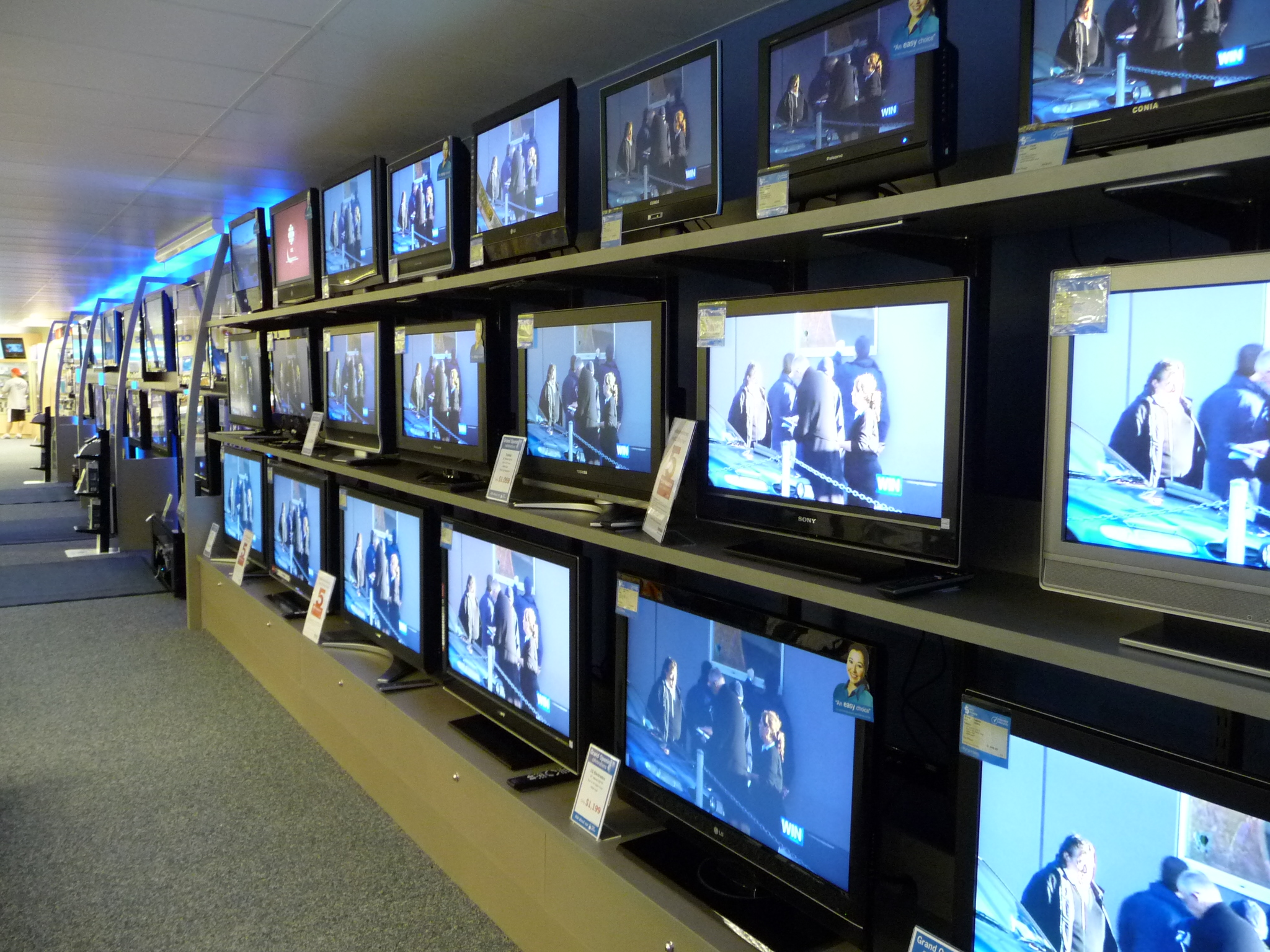
The landscape of television is in constant flux, driven by digital transformation and the rise of streaming. While traditional broadcast and cable viewership have seen declines, particularly among younger demographics, the overall consumption of video content remains high, shifting to platforms like Netflix, Amazon Prime Video, and Disney+. The integration of smart TV technology, allowing internet connectivity and app access directly on the television, has blurred the lines between broadcast and online content. 8K television technology is becoming more accessible, promising even greater visual fidelity. Furthermore, the development of artificial intelligence is influencing content creation, recommendation algorithms, and even the user interface of smart TVs, personalizing the viewing experience to an unprecedented degree. The ongoing consolidation of media companies and the battle for streaming subscribers continue to define the industry's current state.
🤔 Controversies & Debates
The impact of television is not without its controversies. Concerns about its influence on children, including potential links to aggression and obesity, have been subjects of ongoing debate and research since the 1960s. The medium has been criticized for its role in political polarization, the spread of misinformation, and the perpetuation of racial and gender stereotypes. The economics of the industry, particularly the immense power of a few major networks and studios, and the increasing fragmentation of audiences due to streaming, raise questions about cultural diversity and access to content. The ethical implications of targeted advertising and data collection through smart TVs are also significant concerns, prompting calls for greater transparency and regulation.
🔮 Future Outlook & Predictions
The future of television is inextricably linked to technological advancement and evolving consumer habits. Expect further integration of artificial intelligence in personalized content delivery and interactive experiences. The development of more immersive technologies, such as virtual reality and augmented reality, may eventually merge with or complement traditional television viewing. The distinction between 'live' broadcast and on-demand streaming will likely continue to blur, with hybrid models becoming more prevalent. As bandwidth increases and display technologies improve, higher resolutions and frame rates will become standard, offering increasingly photorealistic viewing experiences. The competition among streaming services will likely lead to further consolidation or the emergence of new niche platforms, while the role of traditional broadcasters will continue to be redefined.
💡 Practical Applications
Electronic television's applications extend far beyond home entertainment. In education, it has been used for distance learning and instructional programming since the mid-20th century. In medicine, closed-circuit television systems are vital for surgical observation, remote consultations, and medical training, allowing specialists to guide procedures from afar. Law enforcement and security agencies utilize surveillance cameras and broadcast systems for monitoring and public safety announcements. The military employs television technology for reconnaissance, training simulations, and communication. Furthermore, the underlying principles of signal transmission and display are foundational to many other electronic devices, from computer monitors to digital signage and even advanced scientific imaging equipment.
Key Facts
- Year
- 1927 (first electronic broadcast)
- Origin
- United States / United Kingdom
- Category
- technology
- Type
- technology
Frequently Asked Questions
What is the fundamental difference between electronic and mechanical television?
Electronic television relies on electronic scanning of images using devices like cathode ray tubes or image sensors, allowing for higher resolution and smoother motion. Mechanical television, such as systems using the Nipkow disk, used physical rotating disks to scan images, which inherently limited picture quality and frame rates. While mechanical systems were developed first, electronic television proved superior and became the standard, enabling the high-definition and digital broadcasts we see today. The shift from mechanical to electronic systems was a critical step in making television a viable mass medium.
Who are the primary inventors credited with electronic television?
The development of electronic television is often credited to two key figures: Philo Farnsworth and Vladimir Zworykin. Farnsworth independently demonstrated the first fully electronic television system in 1927. Zworykin, working for Radio Corporation of America, developed crucial components like the iconoscope camera tube and the kinescope picture tube. While both made significant contributions, their work built upon earlier discoveries and involved intense competition and patent disputes, particularly between Farnsworth and RCA.
How did color television change the medium?
The introduction of color television in the 1950s and 60s dramatically enhanced the viewing experience, making programs more lifelike and engaging. It allowed for richer storytelling, more impactful advertising, and a greater sense of realism. Color broadcasting required significant infrastructure upgrades for both broadcasters and consumers, leading to a gradual adoption. By the late 1960s and early 1970s, color television had become the norm in developed countries, solidifying its position as the primary visual medium for entertainment, news, and culture, and further cementing its cultural dominance.
What is the significance of the transition to digital television?
The transition from analog to digital television broadcasting, completed in many countries by the late 2000s, offered several advantages. Digital signals are more robust, less prone to interference, and allow for higher picture and sound quality, including high-definition (HD) and surround sound. It also freed up valuable broadcast spectrum, which could be reallocated for other uses like mobile broadband. This shift was a major technological undertaking, requiring consumers to purchase new digital-ready televisions or converter boxes, fundamentally modernizing the broadcast infrastructure.
What are the main criticisms leveled against television's societal impact?
Television has faced persistent criticism regarding its impact on society. Concerns include its potential to promote sedentary lifestyles and aggression in children, its role in shaping political opinions and potentially spreading misinformation, and its historical tendency to perpetuate harmful stereotypes related to race, gender, and social class. Critics also point to the commercialization of content, the influence of advertising, and the potential for television to contribute to cultural homogenization. The rise of streaming has introduced new debates about algorithmic bias and the fragmentation of shared cultural experiences.
How can I access modern television content if I don't have a traditional TV set?
Accessing modern television content without a traditional TV set is straightforward thanks to the internet. You can subscribe to various streaming media services like Netflix, Hulu, or YouTube TV, which offer live TV channels and on-demand libraries. This content can be viewed on computers, tablets, and smartphones through their respective websites or dedicated apps. Many broadcast networks also offer their own streaming platforms or apps, allowing you to watch shows online, often with a cable or satellite subscription login, or sometimes for free with ads.
What are the predictions for the future of television viewing?
Future television viewing is expected to be highly personalized and immersive. Artificial intelligence will play a larger role in curating content recommendations and tailoring viewing experiences. We may see increased integration of virtual reality and augmented reality into how we consume video content, moving beyond flat screens. The distinction between live broadcast and on-demand content will continue to blur, with more flexible viewing options. Furthermore, advancements in display technology, such as higher resolutions (8K and beyond) and more dynamic contrast ratios, will offer increasingly realistic visual experiences, potentially delivered through more flexible and integrated display formats.