
Contents
- 🎵 Origins & History
- ⚙️ How It Works
- 📊 Key Facts & Numbers
- 👥 Key People & Organizations
- 🌍 Cultural Impact & Influence
- ⚡ Current State & Latest Developments
- 🤔 Controversies & Debates
- 🔮 Future Outlook & Predictions
- 💡 Practical Applications
- 📚 Related Topics & Deeper Reading
- Frequently Asked Questions
- References
- Related Topics
Overview
The genesis of electronic music festivals can be traced back to the experimental electronic music scenes of the mid-20th century, with early pioneers like Karlheinz Stockhausen exploring electroacoustic music in the 1950s. However, the modern festival format truly began to coalesce in the late 1960s and 1970s, influenced by the counterculture movement and the rise of amplified rock music festivals like Woodstock (1969). Early electronic music gatherings were often more niche, focusing on avant-garde performances or specific subgenres. The Kraftwerk phenomenon in the late 1970s and early 1980s, with their synthesized soundscapes and futuristic aesthetic, laid crucial groundwork. The explosion of house in Chicago and techno in Detroit during the 1980s, coupled with the advent of rave culture, directly birthed the large-scale, dance-focused electronic music festivals that dominate today. Events like the Love Parade in Berlin, which began in 1989, became iconic symbols of this burgeoning scene, drawing hundreds of thousands for its massive street parades and open-air parties.
⚙️ How It Works
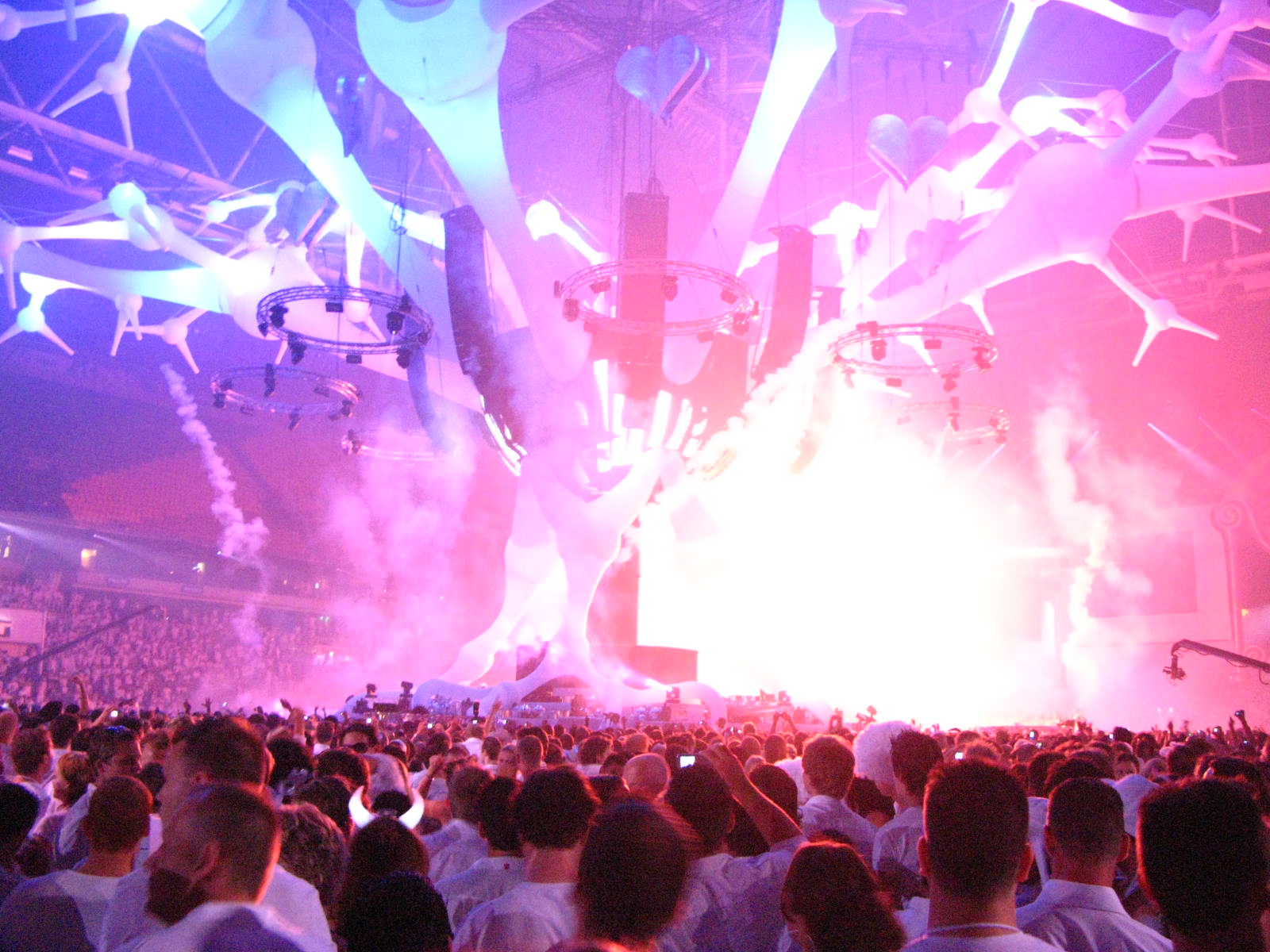
Electronic music festivals operate as complex logistical and artistic endeavors. At their core is the curation of a lineup, balancing established headliners with emerging talent across various electronic subgenres. This involves extensive booking, artist relations, and contract negotiation. The technical infrastructure is paramount: multiple stages require sophisticated sound systems, lighting rigs, and visual production, often employing thousands of watts of power and advanced projection mapping. Site management encompasses everything from security and medical services to waste management and transportation, often for tens or hundreds of thousands of attendees over several days. Ticketing platforms like Ticketmaster or specialized festival vendors handle sales, while marketing campaigns leverage social media, influencer partnerships, and targeted advertising to reach a global audience. The attendee experience is further enhanced by food vendors, art installations, and often camping facilities, creating a temporary, immersive city built around sound.
📊 Key Facts & Numbers
The global electronic music festival market is a colossal industry. In 2023, the top 100 festivals worldwide generated an estimated $10 billion in revenue, with major players like Tomorrowland and Electric Daisy Carnival (EDC) Las Vegas each grossing over $100 million annually. These events attract millions of attendees; Tomorrowland alone sells out its 400,000 tickets within minutes. The average ticket price for a major multi-day festival can range from $300 to $600, with VIP packages costing significantly more. The economic impact extends beyond ticket sales, with attendees spending an average of $500-$1000 each on travel, accommodation, food, and merchandise. The industry employs tens of thousands of people globally, from artists and technicians to security staff and marketing professionals. The market is projected to grow at a compound annual growth rate (CAGR) of 7-10% over the next five years, driven by increasing demand in emerging markets and the continued popularity of electronic dance music (EDM).
👥 Key People & Organizations
Key figures and organizations have shaped the electronic music festival landscape. Pascal de Vries and Manu Maerten, co-founders of Tomorrowland, transformed a small local event into a global phenomenon, renowned for its fantastical stage design and immersive storytelling. Gary Richards, also known as Destructo Disc, is a pivotal figure in the US electronic festival scene, particularly through his Insomniac Events and the Hard Summer Music Festival. The Burning Man Organization oversees the iconic Burning Man festival, a unique experiment in temporary community and radical self-expression. Major festival promoters like Insomniac Events (producers of EDC) and SFX Entertainment (now defunct but historically significant) have played massive roles in consolidating and commercializing the market. Independent promoters and collectives, often operating on smaller scales but with significant cultural influence, also form a vital part of the ecosystem, nurturing niche genres and local scenes.
🌍 Cultural Impact & Influence
Electronic music festivals have profoundly influenced global culture, fashion, and social trends. They have become pilgrimage sites for millions, fostering a sense of global community united by shared musical tastes. The visual spectacle of these events, from elaborate stage productions to attendee fashion (often characterized by vibrant colors, futuristic designs, and DIY aesthetics), has permeated mainstream culture and inspired designers and artists. Festivals have also become powerful platforms for promoting social messages, with many now incorporating sustainability initiatives, diversity and inclusion programs, and charitable partnerships. The rise of the festival circuit has democratized access to music, allowing fans to experience a wide range of artists in a single location, and has significantly boosted the careers of many electronic music artists, turning them into global superstars. The concept of the 'festival experience' itself has become a cultural aspiration, influencing tourism and leisure industries worldwide.
⚡ Current State & Latest Developments
The electronic music festival scene in 2024-2025 is marked by a continued drive for innovation and a focus on sustainability and attendee well-being. Major festivals like Glastonbury are increasingly integrating renewable energy sources and waste reduction programs, responding to growing environmental concerns. The integration of AI is being explored for everything from personalized attendee experiences to optimizing logistics and security. Virtual and augmented reality elements are also being piloted, offering hybrid experiences that extend beyond the physical event. The market continues to see consolidation, with larger promoters acquiring smaller independent festivals, though niche and community-driven events remain resilient. There's also a growing trend towards hyper-specialized festivals catering to specific subgenres, like drum and bass or hardstyle, reflecting the increasing fragmentation and diversification of electronic music itself. The post-pandemic recovery has seen a surge in demand, with many festivals reporting record-breaking ticket sales.
🤔 Controversies & Debates
Electronic music festivals are not without their controversies. Issues of commercialization and the 'corporatization' of rave culture are frequently debated, with critics arguing that the original ethos of underground community has been diluted by profit motives and mainstream appeal. Safety concerns, including drug-related incidents and overcrowding, have led to increased scrutiny and stricter regulations in many regions. The environmental impact of large-scale events, from carbon emissions due to travel to waste generation, is a significant point of contention, prompting calls for more sustainable practices. Furthermore, debates persist around artist fees, fair compensation for performers, and the equitable representation of diverse artists on festival lineups, particularly concerning gender and racial parity. The gentrification of festival sites and their impact on local communities also spark local opposition.
🔮 Future Outlook & Predictions
The future of electronic music festivals points towards greater technological integration and a stronger emphasis on sustainability and personalized experiences. Expect to see more widespread adoption of blockchain technology for ticketing and fan engagement, potentially offering greater transparency and artist royalties. Augmented reality overlays during performances, offering visual enhancements or interactive elements, could become commonplace. The development of more efficient and eco-friendly energy solutions, such as advanced solar and battery storage, will be critical for reducing the carbon footprint. Hybrid events, blending physical festivals with high-quality virtual streams and interactive online components, will likely become more sophisticated, broadening accessibility. There's also a potential for festivals to become more decentralized, with smaller, community-led events leveraging technology to connect and collaborate globally, challenging the dominance of mega-festivals.
💡 Practical Applications
Electronic music festivals serve as powerful incubators for new talent and trends, acting as de facto launchpads for artists and genres. They are also significant drivers of tourism and local economic development, bringing substantial revenue to host cities and regions. Beyond entertainment, festivals function as cultural laboratories, experimenting with new forms of art, technology, and community building. The infrastructure developed for these events, from advanced sound engineering to crowd management techniques, often finds applications in other large-scale public gatherings. Furthermore, the immersive and often escapist nature of festivals can provide significant psychological benefits for attendees, offering a sense of belonging, stress relief, and creative inspiration. They are, in essence, temporary cities designed for collective euphoria and cultural exchange.
Key Facts
- Year
- 1950s-present
- Origin
- Global (roots in Europe and North America)
- Category
- culture
- Type
- event
Frequently Asked Questions
What is the difference between an electronic music festival and a general music festival?
While general music festivals may feature electronic acts, electronic music festivals are primarily or exclusively dedicated to genres like techno, house, trance, dubstep, and EDM. They typically feature more specialized stages, advanced sound and lighting technology tailored for electronic music, and a culture centered around dance and DJ performance, distinguishing them from festivals focused on rock, pop, or folk music.
How do electronic music festivals contribute to the economy?
Electronic music festivals are significant economic engines, generating billions globally through ticket sales, artist bookings, vendor contracts, and tourism. Attendees spend heavily on travel, accommodation, food, and merchandise, creating jobs in hospitality, transportation, and event production. Major festivals like Tomorrowland and EDC Las Vegas inject millions into local economies, often becoming major annual revenue streams for host regions.
What are the biggest electronic music festivals in the world?
Some of the most prominent electronic music festivals globally include Tomorrowland (Boom, Belgium), Electric Daisy Carnival (EDC) Las Vegas (Las Vegas, USA), Ultra Music Festival (Miami, USA), Awakenings Festival (Hilvarenbeek, Netherlands), and Sonus Festival (Pag, Croatia). These events are known for their massive scale, diverse lineups, and dedicated fan bases, often selling out tickets within minutes of release.
How has technology impacted electronic music festivals?
Technology has fundamentally shaped electronic music festivals. Advanced sound systems, elaborate LED screens, laser shows, and projection mapping create immersive visual and auditory experiences. Innovations in ticketing, cashless payment systems, and festival apps enhance attendee convenience. Emerging technologies like AI for logistics and AR/VR for hybrid experiences are also beginning to play a role, pushing the boundaries of what's possible in live event production.
What are the main criticisms leveled against electronic music festivals?
Major criticisms include the perceived loss of underground rave culture due to commercialization, significant environmental impacts from waste and travel, and ongoing safety concerns related to drug use and crowd management. Debates also surround artist compensation, the lack of diversity in lineups, and the potential negative effects on local communities and residential areas surrounding festival sites.
How can attendees prepare for an electronic music festival?
Preparation involves securing tickets well in advance, planning travel and accommodation, and packing essentials like comfortable clothing and footwear, sunscreen, and reusable water bottles. Attendees should familiarize themselves with the festival's rules, prohibited items, and site map. Staying hydrated, pacing oneself, and being aware of one's surroundings are crucial for a safe and enjoyable experience, especially given the high-energy nature of electronic music events.
What is the future outlook for electronic music festivals?
The future likely involves a greater focus on sustainability, with festivals adopting more renewable energy and waste reduction strategies. Technological integration, such as augmented reality and advanced virtual experiences, will enhance attendee engagement. We may also see a rise in hyper-specialized festivals catering to niche electronic music subgenres and a continued evolution of hybrid physical-digital event models, broadening accessibility and reach.