
Contents
Overview
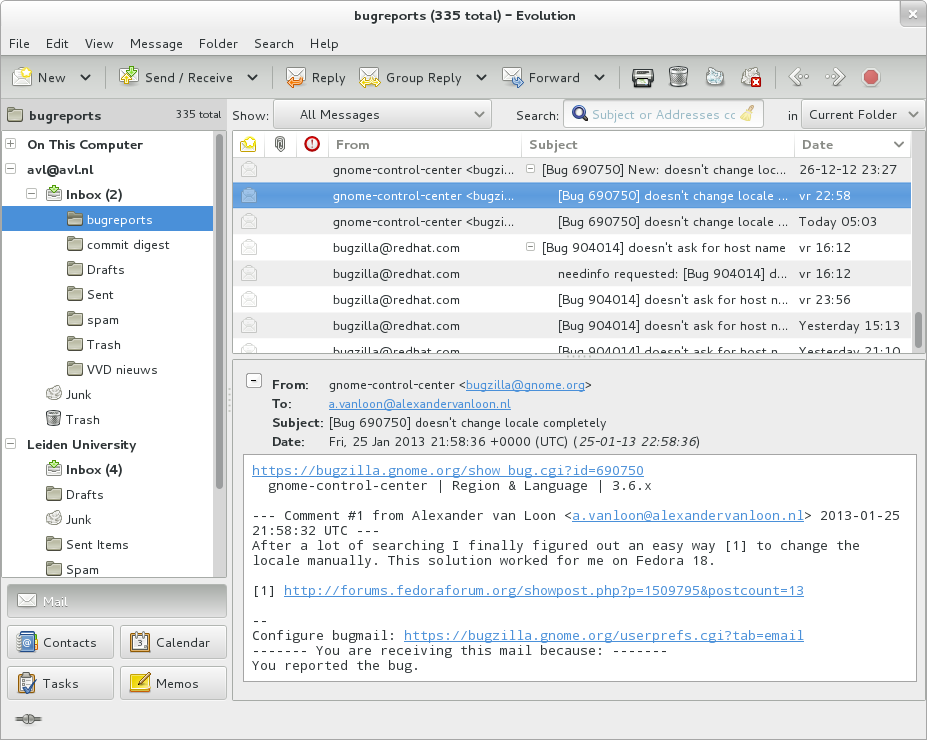
Electronic mail, commonly referred to as email, is a method of exchanging digital messages over computer networks, primarily the Internet. Email has become a ubiquitous and essential communication medium, used in various aspects of daily life, including business, commerce, government, education, and entertainment. With its store-and-forward model, email systems enable users to send and receive messages across different networks, without requiring simultaneous online presence. The evolution of email has been shaped by key technologies, such as the Simple Mail Transfer Protocol (SMTP), Post Office Protocol 3 (POP3), and Internet Message Access Protocol (IMAP), which have facilitated the growth of email services. Today, email continues to play a vital role in modern communication. The impact of email on society has been significant, with many businesses and organizations relying on email as a primary means of communication. As technology continues to advance, email is likely to remain a crucial component of our digital lives.
🎵 Origins & History
Email operates on a store-and-forward model, where messages are stored on a mail server until they are retrieved by the recipient. The process of sending an email involves several key technologies, including the Simple Mail Transfer Protocol (SMTP), Internet Message Access Protocol (IMAP), and Post Office Protocol 3 (POP3). These protocols enable email clients to communicate with mail servers, allowing users to send and receive messages. Ray Tomlinson introduced the use of the @ symbol to separate the user name from the host name.
⚙️ How It Works
The use of email has become an integral part of modern communication, with many businesses and organizations relying on email as a primary means of communication. For example, companies like Microsoft and Google offer email services, such as Outlook and Gmail, which have become essential tools for both personal and professional communication.
📊 Key Facts & Numbers
The impact of email on society has been significant, with many businesses and organizations relying on email as a primary means of communication. However, the use of email has also raised concerns about privacy and security, with many users being targeted by spam and phishing attacks. Companies like Symantec and Mcafee offer security solutions to protect users from these threats.
👥 Key People & Organizations
Key people have played a crucial role in the development and evolution of email. Ray Tomlinson, for example, introduced the use of the @ symbol to separate the user name from the host name.
🌍 Cultural Impact & Influence
The cultural impact of email has been significant, with many people using email as a primary means of communication. However, the use of email has also raised concerns about privacy and security, with many users being targeted by spam and phishing attacks. The use of email has also changed the way we communicate, with many people using email as a primary means of communication.
⚡ Current State & Latest Developments
The current state of email is one of continued growth and evolution. With the rise of mobile devices and cloud computing, email has become more accessible and convenient than ever before. However, the use of email has also raised concerns about privacy and security, with many users being targeted by spam and phishing attacks. To address these concerns, many email providers have implemented advanced security measures, such as two-factor authentication and encryption. Additionally, the use of artificial intelligence and machine learning is becoming increasingly prevalent in email, with many providers using these technologies to improve spam filtering and email sorting.
🤔 Controversies & Debates
The use of email has also raised concerns about the impact on traditional forms of communication, such as postal mail and face-to-face interaction. Some argue that the use of email has led to a decline in traditional forms of communication, while others argue that email has simply changed the way we communicate.
🔮 Future Outlook & Predictions
The future of email is likely to be shaped by advances in technology, such as artificial intelligence and machine learning. These technologies are likely to improve the efficiency and effectiveness of email communication, and may also lead to the development of new features and functionalities.
💡 Practical Applications
The practical applications of email are numerous and varied. Email is used by individuals, businesses, and organizations to send and receive messages, attachments, and other digital content. Email is also used for marketing and advertising, with many companies using email to promote their products and services.
Key Facts
- Category
- technology
- Type
- technology