
Contents
Overview
The genesis of the modern cotton swab can be traced back to the early 20th century. Leo Gerstenzang is credited for patenting a design in 1923 that he initially called the 'Baby G بواسطة'. Inspired by watching his wife use a toothpick wrapped in cotton to clean their infant's ears, Gerstenzang envisioned a safer, more convenient tool. His company, the Hygienic Products Company, later rebranded the product as Q-tips in 1926, a name that would become synonymous with the item itself. Prior to Gerstenzang's innovation, rudimentary forms of cotton-tipped applicators existed, but his design, particularly the use of a tightly wound cotton tip on a standardized stick, laid the groundwork for mass production and widespread adoption. The initial focus was on infant care, a market that readily embraced the perceived safety and ease of use.
⚙️ How It Works
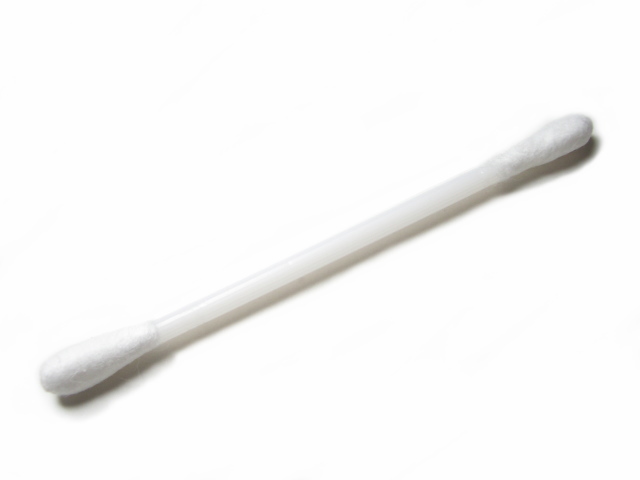
At its most fundamental, a cotton swab is a marvel of simple engineering. It comprises a slender shaft, historically made from wood or compressed paper, designed for flexibility and grip, and a small, dense wad of cotton secured to one or both ends. The cotton fibers are typically carded and then tightly wound or adhered to the shaft, creating a soft, absorbent tip. The shaft's material choice is critical: wood offers biodegradability and a firm grip, rolled paper provides a more pliable yet still sturdy option, while plastic, though durable and cost-effective for manufacturing, presents environmental challenges. The precise dimensions and density of the cotton tip are engineered to facilitate delicate tasks, whether it's applying makeup, cleaning small crevices, or, controversially, attempting to clean earwax.
📊 Key Facts & Numbers
The global market for cotton swabs is substantial. In the United States alone, consumers purchase billions of cotton swabs each year. Globally, the production of cotton swabs involves hundreds of manufacturers, with major players like Unilever (owner of Q-tips) and numerous regional companies contributing to the supply chain. The shift towards biodegradable materials is gaining traction, with sales of paper and bamboo-stemmed swabs increasing.
👥 Key People & Organizations
Leo Gerstenzang, the inventor who popularized the cotton swab with his Q-tips brand, stands as a pivotal figure. His Hygienic Products Company, later renamed Q-tips Inc., established the product's dominance. Beyond Gerstenzang, the history involves numerous manufacturers and brands that have contributed to the product's ubiquity, including major consumer goods corporations like Unilever, which acquired Q-tips, and countless smaller companies worldwide. Organizations such as the American Academy of Otolaryngology—Head and Neck Surgery play a crucial role in shaping public understanding and medical recommendations regarding the safe use of cotton swabs, particularly concerning ear hygiene. Environmental advocacy groups, like Greenpeace, have also influenced the industry by campaigning against single-use plastics, pushing for biodegradable alternatives.
🌍 Cultural Impact & Influence
The cotton swab has permeated global culture, becoming an almost invisible yet essential tool in daily routines. Its association with cleanliness and personal care is deeply ingrained, particularly in Western societies, where the Q-tips brand has achieved iconic status, becoming a proprietary eponym. Beyond hygiene, cotton swabs are integral to the beauty industry, used extensively for precise makeup application and correction, influencing trends in cosmetic tutorials on platforms like YouTube. In the realm of arts and crafts, they serve as miniature brushes or applicators for detailed work. The very act of 'cleaning your ears with a Q-tip' has become a cultural shorthand for a routine self-care ritual, despite medical warnings, illustrating a fascinating disconnect between common practice and expert advice.
⚡ Current State & Latest Developments
The cotton swab industry is currently navigating a significant transition driven by environmental concerns. Many countries, including Canada, have implemented or are considering bans on single-use plastic items, directly impacting plastic-stemmed cotton swabs. This has spurred innovation and increased demand for sustainable alternatives. Brands are actively promoting biodegradable options made from bamboo, paper, or even compostable bioplastics. For instance, Unilever has announced its commitment to making its Q-tips brand fully recyclable and exploring plant-based stems. The market is also seeing a rise in specialized swabs for specific applications, such as medical-grade swabs for diagnostic testing and extra-large swabs for industrial cleaning.
🤔 Controversies & Debates
The most persistent controversy surrounding cotton swabs centers on their use for ear cleaning. Medical professionals, including audiologists and otolaryngologists, widely advise against inserting swabs into the ear canal. The American Academy of Otolaryngology—Head and Neck Surgery has actively campaigned against this practice, citing risks of ear canal abrasion, eardrum perforation, and the impaction of earwax, which can lead to hearing loss and tinnitus. Despite these warnings, a significant percentage of the population, estimated at over 60% in some surveys, continues to use cotton swabs for ear cleaning. Another ongoing debate revolves around the environmental impact of plastic-stemmed swabs, with environmental groups pushing for complete phase-outs and stricter regulations on plastic waste.
🔮 Future Outlook & Predictions
The future of the cotton swab is inextricably linked to sustainability and evolving consumer habits. We can expect a continued acceleration in the adoption of biodegradable and compostable materials, with bamboo and paper likely dominating the market. Innovations may also emerge in reusable swab designs, though widespread adoption faces hygiene and convenience hurdles. Furthermore, as medical diagnostics evolve, specialized swabs for sample collection, particularly for at-home testing kits related to conditions like COVID-19, will likely see increased demand. The cultural perception of ear cleaning may also shift as public health campaigns gain further traction, potentially reducing the reliance on swabs for this specific purpose and redirecting their use towards more appropriate applications.
💡 Practical Applications
Cotton swabs are remarkably versatile, finding applications far beyond their initial intent. In cosmetics, they are indispensable for precise eyeliner application, lipstick touch-ups, and removing mascara smudges. In first aid, they are used to apply antiseptic solutions to small wounds or to clean delicate areas. For infant care, they are employed for gentle cleaning around the navel or outer ear. Industrially, they serve as precision cleaning tools for electronics, intricate machinery, and delicate scientific equipment. In the realm of arts and crafts, they function as miniature paintbrushes or applicators for glue and other adhesives, enabling detailed artistic expression.
Key Facts
- Category
- culture
- Type
- product