
Contents
- 🎨 Introduction to Content Generation
- ⚙️ How Content Generation Works
- 📊 Key Facts & Numbers
- 👥 Key People & Organizations
- 🌍 Cultural Impact & Influence
- ⚡ Current State & Latest Developments
- 🤔 Controversies & Debates
- 🔮 Future Outlook & Predictions
- 💡 Practical Applications
- 📚 Related Topics & Deeper Reading
- Frequently Asked Questions
- References
- Related Topics
Overview
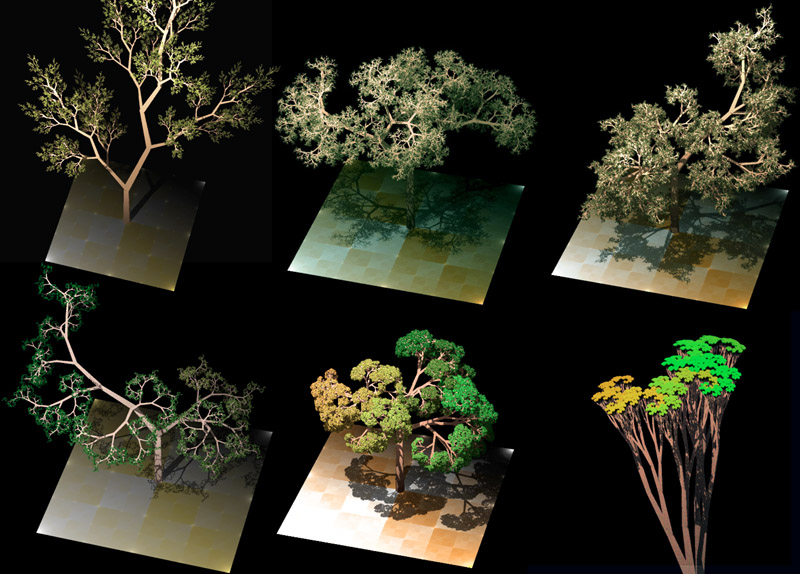
Content generation refers to the process of creating data, such as images, videos, music, or text, using algorithms and computer-generated randomness. This technique has been widely adopted in various fields, including computer graphics, video games, and natural language processing. By leveraging procedural generation, developers can create vast amounts of content with reduced manual effort, resulting in smaller file sizes, increased randomness, and more dynamic experiences. For instance, Minecraft utilizes procedural generation to create its vast, blocky worlds, while No Man's Sky employs it to generate an almost endless array of planets and galaxies. As of 2022, the global content generation market is projected to reach $1.4 billion by 2025, with a growth rate of 25% per annum. With the rise of Artificial Intelligence and Machine Learning, content generation is poised to revolutionize the way we create, consume, and interact with digital content.
🎨 Introduction to Content Generation
Content generation has its roots in the early days of computing, when Alan Turing and Marvin Minsky explored the concept of machine learning and artificial intelligence. The first procedural generation algorithms were developed in the 1960s and 1970s, with the goal of creating simple graphics and textures. One notable example is the work of Fractal Geometry pioneer, Benoit Mandelbrot, who used procedural generation to create intricate, self-similar patterns. Today, content generation is used in a wide range of applications, from Video Games to Natural Language Processing.
⚙️ How Content Generation Works
The process of content generation involves a combination of human-generated content, algorithms, and computer-generated randomness. This allows developers to create vast amounts of content with reduced manual effort, resulting in smaller file sizes, increased randomness, and more dynamic experiences. For example, Procedural Generation is used in Game Development to create levels, terrain, and even entire game worlds. Companies like Unity and Unreal Engine provide tools and platforms for developers to create and implement procedural generation in their games.
📊 Key Facts & Numbers
Some key facts and numbers about content generation include: 75% of game developers use procedural generation in their games, the global content generation market is projected to reach $1.4 billion by 2025, and the use of procedural generation can reduce file sizes by up to 90%. Additionally, Google has developed a range of content generation tools, including Google Cloud and TensorFlow, which provide developers with access to powerful algorithms and computing resources. Furthermore, the use of procedural generation in Film Production has increased by 25% in the past year, with movies like Avatar and The Lord of the Rings utilizing the technique to create realistic environments and characters.
👥 Key People & Organizations
Key people and organizations involved in content generation include Noah Falstein, a game developer and procedural generation expert, and Ken Perlin, a computer graphics researcher who developed the Perlin noise algorithm. Companies like Epic Games and Valve Corporation are also major players in the field, with their games like Fortnite and Half-Life showcasing the power of procedural generation. Moreover, researchers like Demis Hassabis and David Silver have made significant contributions to the development of content generation algorithms and techniques.
🌍 Cultural Impact & Influence
Content generation has had a significant cultural impact, with many games and films using the technique to create immersive and engaging experiences. For example, the game Minecraft has become a cultural phenomenon, with millions of players worldwide. The use of procedural generation in Music Production has also led to the creation of new and innovative sounds, with artists like Daft Punk and Skrillex utilizing the technique to create unique and captivating music. Furthermore, the influence of content generation can be seen in the work of artists like Ash Thorp, who uses procedural generation to create stunning visual effects and animations.
⚡ Current State & Latest Developments
As of 2022, the current state of content generation is rapidly evolving, with new technologies and techniques being developed all the time. The use of Artificial Intelligence and Machine Learning is becoming increasingly prevalent, allowing for more sophisticated and realistic content generation. For example, the development of Generative Adversarial Networks (GANs) has enabled the creation of highly realistic images and videos, with applications in fields like Healthcare and Finance. Moreover, the rise of Cloud Computing has made it possible for developers to access powerful computing resources and create complex content generation algorithms.
🤔 Controversies & Debates
There are several controversies and debates surrounding content generation, including concerns about the potential for Job Displacement and the impact on Creative Industries. Some argue that procedural generation could replace human creators, while others see it as a tool to augment and enhance human creativity. For instance, the use of procedural generation in Film Production has raised concerns about the potential for Copyright Infringement, with some arguing that the technique could be used to create unauthorized copies of copyrighted materials. Furthermore, the development of content generation algorithms has also raised questions about Authorship and Ownership, with some arguing that the use of AI-generated content challenges traditional notions of creativity and ownership.
🔮 Future Outlook & Predictions
Looking to the future, content generation is likely to continue to evolve and improve, with new technologies and techniques being developed all the time. Some predictions include the use of Quantum Computing to create even more sophisticated and realistic content, and the development of new Natural Language Processing techniques to create more realistic and engaging dialogue. For example, the development of Voice Assistant technology has already led to the creation of more realistic and engaging voice interactions, with applications in fields like Customer Service and Healthcare. Moreover, the rise of Virtual Reality and Augmented Reality has created new opportunities for content generation, with developers creating immersive and interactive experiences that simulate real-world environments and scenarios.
💡 Practical Applications
Content generation has many practical applications, including game development, film production, and natural language processing. It can be used to create realistic environments, characters, and dialogue, and can also be used to generate music and other forms of creative content. For example, the use of procedural generation in Game Development has led to the creation of more realistic and engaging game worlds, with games like The Last of Us and Bioshock showcasing the power of the technique. Moreover, the development of content generation algorithms has also led to the creation of new and innovative tools for Music Production, with artists like Flume and Odesza utilizing the technique to create unique and captivating sounds.
Key Facts
- Year
- 2022
- Origin
- United States
- Category
- technology
- Type
- concept
Frequently Asked Questions
What is content generation?
Content generation refers to the process of creating data, such as images, videos, music, or text, using algorithms and computer-generated randomness. This technique has been widely adopted in various fields, including computer graphics, video games, and natural language processing. For example, Minecraft utilizes procedural generation to create its vast, blocky worlds, while No Man's Sky employs it to generate an almost endless array of planets and galaxies.
How does content generation work?
The process of content generation involves a combination of human-generated content, algorithms, and computer-generated randomness. This allows developers to create vast amounts of content with reduced manual effort, resulting in smaller file sizes, increased randomness, and more dynamic experiences. For instance, Procedural Generation is used in Game Development to create levels, terrain, and even entire game worlds.
What are the advantages of content generation?
Some advantages of content generation include smaller file sizes, larger amounts of content, and randomness for less predictable gameplay. Additionally, content generation can be used to create realistic environments, characters, and dialogue, and can also be used to generate music and other forms of creative content. For example, the use of procedural generation in Film Production has led to the creation of more realistic and engaging film experiences, with movies like Avatar and The Lord of the Rings showcasing the power of the technique.
What are the controversies surrounding content generation?
There are several controversies and debates surrounding content generation, including concerns about the potential for Job Displacement and the impact on Creative Industries. Some argue that procedural generation could replace human creators, while others see it as a tool to augment and enhance human creativity. For instance, the use of procedural generation in Film Production has raised concerns about the potential for Copyright Infringement, with some arguing that the technique could be used to create unauthorized copies of copyrighted materials.
What is the future of content generation?
Looking to the future, content generation is likely to continue to evolve and improve, with new technologies and techniques being developed all the time. Some predictions include the use of Quantum Computing to create even more sophisticated and realistic content, and the development of new Natural Language Processing techniques to create more realistic and engaging dialogue. For example, the development of Voice Assistant technology has already led to the creation of more realistic and engaging voice interactions, with applications in fields like Customer Service and Healthcare.
What are the practical applications of content generation?
Content generation has many practical applications, including game development, film production, and natural language processing. It can be used to create realistic environments, characters, and dialogue, and can also be used to generate music and other forms of creative content. For instance, the use of procedural generation in Game Development has led to the creation of more realistic and engaging game worlds, with games like The Last of Us and Bioshock showcasing the power of the technique.
What are the related topics to content generation?
Related topics and deeper reading include Procedural Generation, Artificial Intelligence, Machine Learning, and Natural Language Processing. For those interested in learning more about content generation, there are many online resources and courses available, including those offered by Udemy and Coursera.